
Last updated November 23, 2026
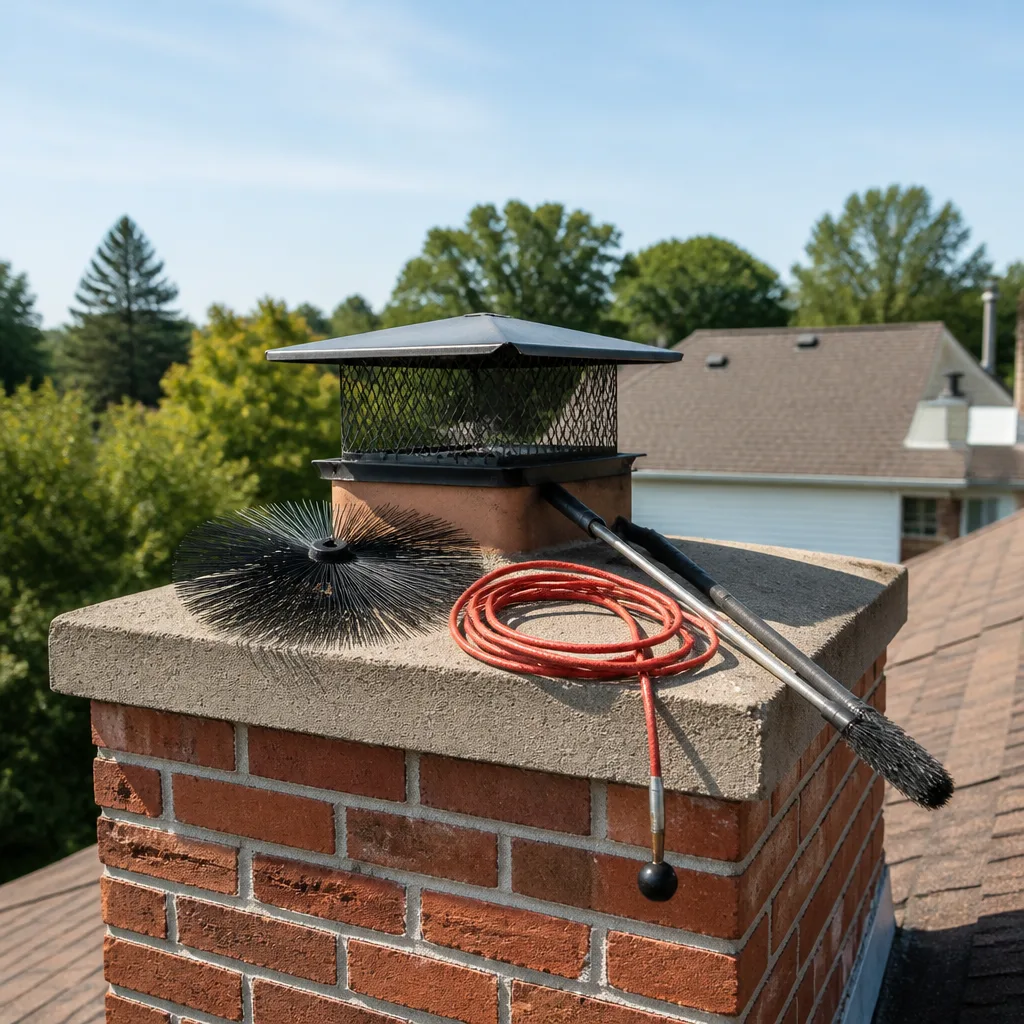 Sweep & inspection
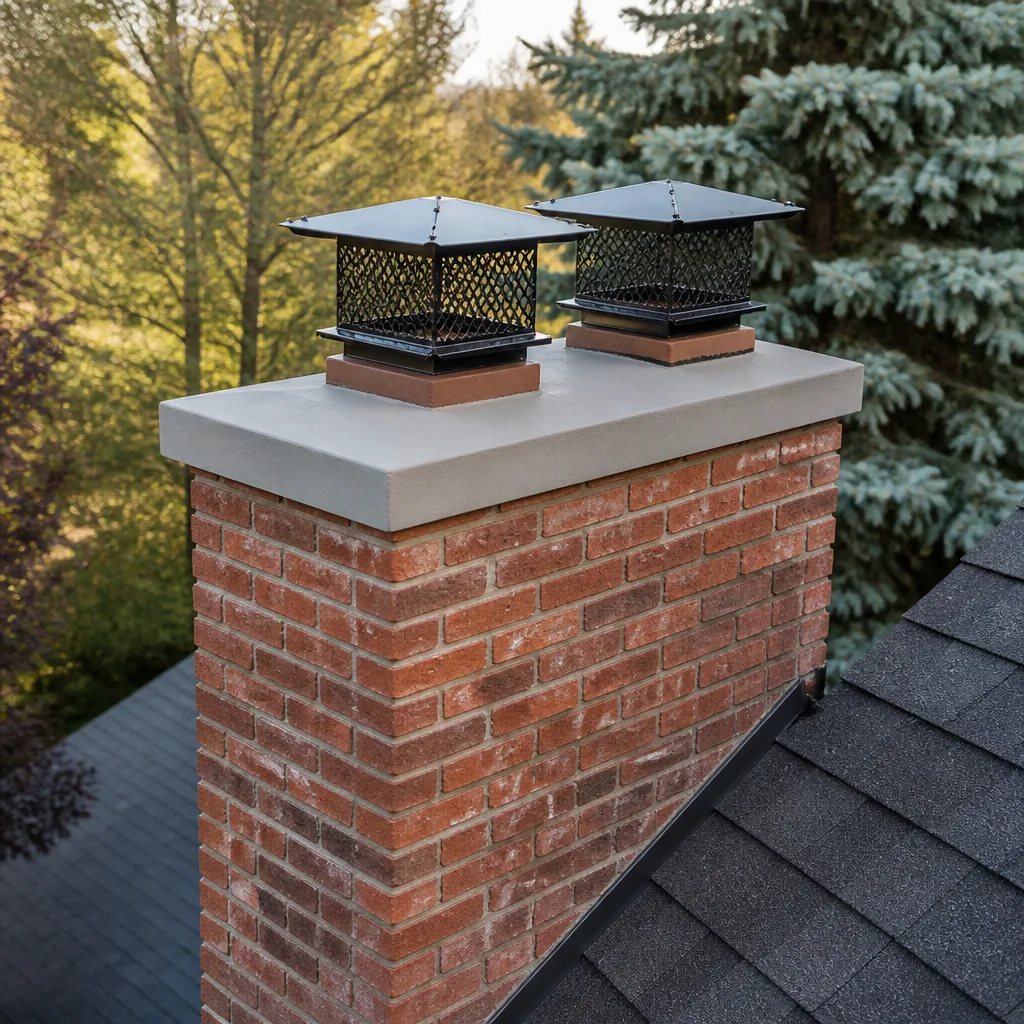 Caps & crowns
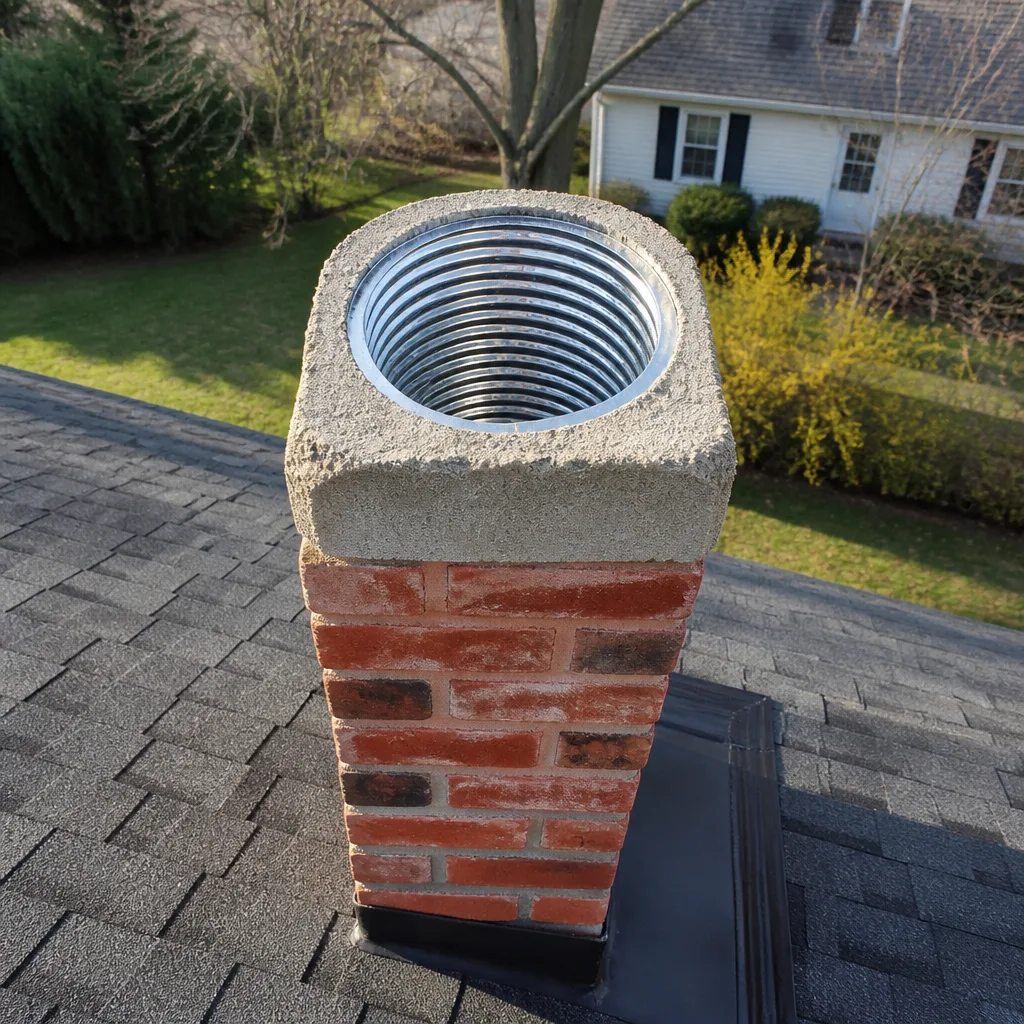 Flue relining
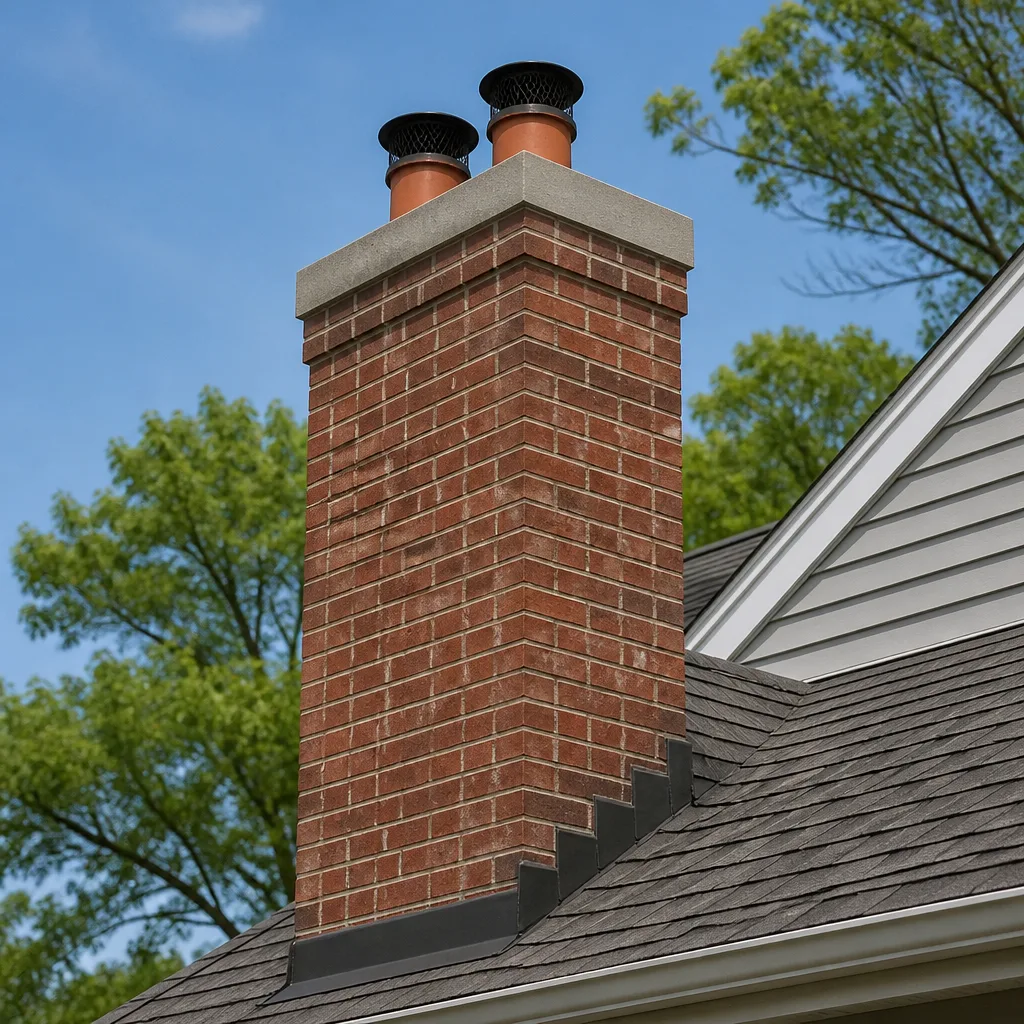 Masonry repair
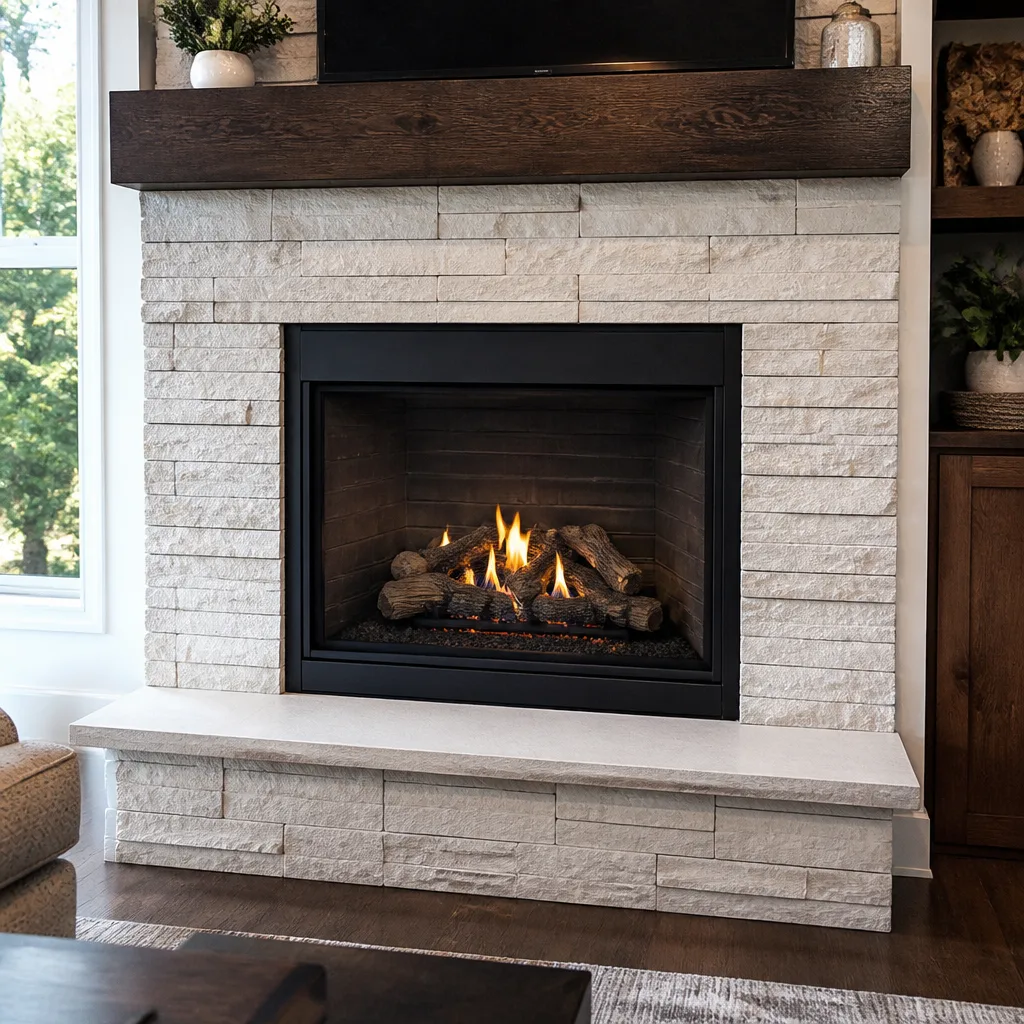 Gas fireplace service
Level 1 sweep and inspection to the NFPA 211 annual standard - flue, crown, cap, and flashing checked and photographed
Chimney sweep logs do not sweep chimneys. They loosen some creosote - which then falls where a brush and vacuum still have to collect it.
DIY vs Professional Chimney Cleaning: The Garden Grove Homeowner’s Decision Guide
A chimney brush kit works. That’s the part most sweep companies won’t tell you, and it’s why this guide isn’t going to pretend a homeowner with a stiff nylon brush and a fiberglass rod can’t knock loose soot out of a flue. The honest problem is what a brush can’t reach and can’t diagnose: glazed Stage 2 and Stage 3 creosote that a brush smears around rather than removes, and the inner flue seams, offset joints, and cap connections that no top-down DIY sweep ever sees. This guide walks through what DIY actually accomplishes, what it misses, and how to decide which is right for your Garden Grove home.
Quick Answer
DIY chimney cleaning removes loose soot and light Stage 1 creosote from straight, accessible flues, but it cannot remove hardened glaze, inspect hidden flue seams, or give you a documented record of the chimney’s condition. A professional sweep in Garden Grove includes rotary cleaning, a camera inspection, and a written report. For a wood-burning fireplace used regularly, or any flue that hasn’t been cleaned in more than a season, professional cleaning is the safer choice.
Styles & brands we work with
- Sweep & inspection
- Caps & crowns
- Flue relining
- Masonry repair
- Gas fireplace service
Table of Contents
- What a DIY Chimney Sweep Actually Achieves
- The Three Stages of Creosote (And Why a Brush Only Handles One)
- Rotary Cleaning vs. a Flex-Rod Brush Kit: The Real Difference
- What You Can’t See From the Roofline
- California Homeowner Liability and Your Insurer’s Fine Print
- The One Legitimate DIY Chimney Task (Done Right)
- How to Audit a DIY Sweep You’ve Already Done
- Garden Grove Chimney Realities: Climate, Housing, and Seismic Load
What a DIY Chimney Sweep Actually Achieves
A homeowner with the right tools can remove a meaningful amount of creosote from an open, straight flue. That’s true, and it’s worth saying plainly. A flex-rod brush kit scrapes the flue walls, knocks down the loose, flaky Stage 1 creosote that builds up after a season of fires, and clears the smoke shelf of surface soot. The flue looks cleaner afterward, and in some cases it genuinely is cleaner at the top of the stack.
What the same kit does not do is remove glazed creosote, and that’s the creosote that matters for fire risk. It also doesn’t clean the inner walls of a flue with offsets, bends, or a stainless liner with corrugated seams where glaze collects in the ribs. Most Garden Grove homes built in the mid-20th century have masonry chimneys with some offset, and the brush rides past those sections without touching them.
We say this with some experience behind it. Our technicians have up to 12 years of experience, and the pattern we see on a follow-up inspection after a homeowner sweep is consistent: the straight sections look fine, the offset and the flue-to-damper transition still carry glaze, and the smoke chamber is untouched. A brush reaches what a brush can reach. The flue is not always the shape a brush assumes it is.
- What DIY handles well: loose surface soot, Stage 1 creosote on straight flue sections, ash and firebox debris
- What DIY misses: glazed Stage 2 and Stage 3 creosote, offset and elbow interiors, the smoke chamber and smoke shelf, the flue-to-cap connection, liner seams
- What DIY cannot provide: a documented inspection record, a camera image of the flue interior, or a determination of whether the liner is failing
The Three Stages of Creosote (And Why a Brush Only Handles One)
Creosote builds in three recognizable stages, and the difference between them is the difference between a brush job and a professional job. Understanding the stages is the most useful thing a homeowner can learn before deciding whether to climb the roof or pick up the phone.
- Stage 1 – Soot and flaky creosote. Soft, dusty, and easy to scrape. A brush removes most of this. This is the stage most DIY sweeps leave the flue “looking” clean.
- Stage 2 – Hardened, crusty creosote. This is creosote that has baked onto the flue wall and dried into a crust. A brush passes over it or chips at the surface. It requires rotary cleaning with the correct head to break it loose.
- Stage 3 – Glazed creosote. This is the dangerous stage. It’s a shiny, glass-like coating that forms when flue temperatures are low enough that creosote condenses instead of burning off. A brush does not remove it. It distributes it, thins it slightly, and leaves the glaze clinging to the flue wall, where it is highly combustible.
Here’s the part that matters for Garden Grove. Stage 2 and Stage 3 creosote forms when fires burn cool or wet, which is common in a mild-winter climate where homeowners tend to build small, slow, “ambient” fires rather than hot, active ones. A fire that smolders for hours deposits far more glaze than a fire that burns hot and clean. Long, slow burns are exactly the wrong way to operate a wood-burning fireplace, and they’re one of the most common habits we see here.
Rotary Cleaning vs. a Flex-Rod Brush Kit: The Real Difference
The difference between a DIY brush kit and a professional rotary cleaning system is not the brush. It’s the tool that spins the brush. A flex-rod kit relies on the homeowner’s arm strength pushing and pulling a stiff rod; a rotary system spins the cleaning head at high RPM with a motor, which is what breaks Stage 2 crust and grinds Stage 3 glaze off the flue wall. A brush spun by hand can’t generate the torque; a rotary head driven by the tool can.
The second difference is the cleaning head itself. Rotary systems use a variety of interchangeable heads (wire, poly, chain, and whip) sized to the flue diameter and matched to the creosote stage. A flex-rod kit ships with one head, and it’s usually a poly brush. Poly is appropriate for light soot and for the inside of a stainless liner, but it does almost nothing against glaze.
This is why a professional sweep isn’t just a more thorough brush job. It’s a different cleaning system that removes material a brush kit cannot. The rotary tool is what makes Stage 2 and Stage 3 creosote removal possible without damaging the flue, and it’s why we use a rotary system on every sweep, not just the difficult ones.
- DIY flex-rod kit: single poly brush head, hand-driven, effective on Stage 1 creosote in straight flues
- Professional rotary system: motor-driven, interchangeable heads matched to creosote stage and flue diameter, effective on Stage 2 and Stage 3
- What both leave behind: the contents of the smoke chamber, which requires a separate tool and a different angle to clean
What You Can’t See From the Roofline
A top-down DIY sweep gives the homeowner a view of the flue from above, which is the least informative angle. The critical inspection points on a chimney are inside the flue, at the joints, and at the connections, and they are physically invisible from the roofline. This is the single biggest reason a professional inspection matters more than a professional cleaning.
Here are the specific points a trained eye checks that a homeowner sweep cannot:
- Flue tile joints: cracked or offset tiles allow heat and combustion gases to pass into the surrounding masonry. From the top, the joints look like seams. From inside, with a camera, a crack is obvious.
- The smoke chamber and smoke shelf: corbeled brick surfaces collect creosote in deep pockets. A brush passes over the top; a camera and a hand tool clear the pockets.
- The damper assembly: rusted or warped dampers that don’t seal are a common source of heat loss and a secondary creosote accumulation point.
- The liner itself: stainless liners can fail at the seams, and the failure is invisible from the top because the outer shell looks fine. A camera through the length of the flue shows the seams.
- The chimney cap and crown: the two most common entry points for water. A cracked crown or a missing cap screen lets rain in, and the resulting damage happens inside the masonry, not on the roof where you’d see it.
In our experience across Garden Grove, a chimney that looks fine from the roofline is exactly where the surprise is. The visible part of a chimney is the part that almost never fails first.
If the inspection turns up a failing liner, the repair options range from relining with a professional-grade system like chimney repair to restoring an existing liner with HeatShield, which extends the life of a chimney that a sweep-only company would have written off.
California Homeowner Liability and Your Insurer’s Fine Print
This is the section most homeowners haven’t considered, and it’s the one with the longest consequence window. Homeowner insurance policies typically require reasonable maintenance of the property as a condition of coverage. A chimney is a fire-risk component. If a fire loss occurs and the insurer determines the chimney was not properly maintained, the claim can be reduced or denied. That determination is made after the fire, when it’s too late to do anything about the record.
Here’s the mechanism that matters: a professional sweep produces a documented inspection and a written report. That report is evidence of maintenance. A DIY sweep, even a good one, produces no record. The insurer has no way to know the chimney was cleaned, and no way to know the flue was inspected. In a claim investigation, the absence of documentation reads the same as the absence of maintenance.
We’re not an insurance company and we don’t give legal or coverage advice. We can tell you what we see: homeowners who call us after a near-miss often discover, in the course of a claim or a pre-sale disclosure, that they have no record that anyone has ever inspected the flue. The written report from a professional inspection is the documentation that answers the question before it’s asked.
If you’re a Garden Grove homeowner with an active wood-burning fireplace, keep the report. It’s the piece of paper that matters when the stakes are highest.
The One Legitimate DIY Chimney Task (Done Right)
There is a chimney task worth doing yourself, and it’s ash removal and firebox cleaning. This is not a compromise position; it’s the task DIY handles best, because it’s low-risk, it doesn’t involve the flue interior, and it’s the one maintenance job that has a direct effect on how the fireplace burns.
A thick bed of ash insulates the fire and makes the firebox burn cooler, which deposits more creosote. Cleaning the ash out keeps the fire burning hotter and reduces creosote formation over the season. Here’s how to do it correctly:
- Wait for the firebox to cool completely. Not warm, cool. Ash can hold heat for a full day after the last fire.
- Use a metal scoop and a metal ash bucket. Plastic buckets can melt or ignite. Metal is the only safe container.
- Leave a thin layer of ash on the firebox floor. A quarter inch or so insulates the base and helps the next fire start. You’re not trying to get down to bare brick.
- Take the ash bucket outside immediately. Never leave ash inside the house, on a wood floor, or in a garage, even in a metal bucket. Ash can reignite for hours.
- Vacuum the firebox with a shop vac only after the ash is fully cold. A standard household vacuum is not rated for ash and will clog or fail.
What NOT to do yourself is the flue interior, the smoke chamber, and the roof-level components. Those jobs require the right tool, the right head, and an inspection capability a homeowner doesn’t have. Ash removal is the DIY zone; everything above the damper is the professional zone.
How to Audit a DIY Sweep You’ve Already Done
If you’ve already cleaned the flue yourself, the useful question now is whether the job was adequate or whether the flue needs a professional follow-up before the next fire. There are visual signs that tell you which one you’re looking at, and they don’t require a roof climb to check.
Signs a DIY sweep was adequate:
- The flue walls look matte and gray, not shiny or glossy
- The smoke shelf and firebox are free of soot buildup
- The damper opens and closes freely with no binding
- No soft, flaky material falls when you tap the flue wall with a flashlight handle
Signs the job needs a professional follow-up:
- Shiny, glass-like patches on the flue wall (Stage 3 glaze, and a brush won’t remove it)
- Hard, crusty buildup that resists a stiff brush (Stage 2 creosote)
- Soot streaks at a flue tile joint or around the damper, which suggests a gap or a crack
- Any visible crack in the flue tiles seen from above
- A gummy or sticky residue at the top of the flue, which is a sign of low-temperature condensation
If you see any of the second list, stop using the fireplace until a professional inspection clears it. The cost of an inspection is small next to the cost of a chimney fire, and it’s the cheap version of the decision.
For a full inspection, see chimney sweep, which covers the rotary cleaning and camera inspection together. For a failing fireplace or damper, fireplace repair covers the firebox-side problems a sweep won’t touch.
Garden Grove Chimney Realities: Climate, Housing, and Seismic Load
Garden Grove sits in a mild-winter climate, which changes the DIY versus professional calculus in a way most national chimney guides don’t account for. Winters here rarely demand the sustained, hot fires that burn off creosote naturally. The typical Garden Grove fire is an evening fire, built small and burned slow for atmosphere or supplemental heat. Those are the conditions that deposit the most Stage 2 and Stage 3 creosote per cord of wood, which means a Garden Grove chimney can accumulate glaze faster than a chimney in a colder climate burning the same amount of wood. The mild winter is the reason a professional cleaning matters here, not a reason it doesn’t.
The housing stock matters too. Many Garden Grove homes with masonry chimneys were built in the mid-20th century, and the flue tiles in those chimneys have had decades to weather. The tile joints and the mortar between them are the failure point, and they are invisible from the roofline. A camera inspection through the length of the flue is the only way to see them.
And then there’s the seismic factor, which is the one a Garden Grove homeowner should understand specifically. Chimneys are one of the most seismically vulnerable parts of a house, and a masonry chimney that has been through a significant earthquake can develop hairline cracks in the flue tiles or separation at the chimney-to-house connection without any visible sign from the ground. Those cracks are exactly the kind of flaw a professional inspection finds and a DIY sweep misses. In a region with an active seismic history, a camera inspection of the flue isn’t an upsell; it’s the check that catches the damage a walk-around can’t see.
Garden Grove homes with gas fireplaces have a different but related issue: gas fireplaces vent differently from wood-burning ones, and the venting should be checked by someone who works on chimneys specifically, not a general handyman. That’s the reason we work on chimneys, only chimneys, and every technician on your job is a chimney specialist.
Common Mistakes to Avoid
- Assuming a clean-looking flue is a safe flue. Stage 3 glaze is shiny and glass-like, which many homeowners read as “clean.” It’s the most dangerous stage, and the most common reason a chimney fire starts in a flue the homeowner thought was fine.
- Burning slow, smoldering fires for ambience. In Garden Grove’s mild climate, a small evening fire that smolders for hours is the biggest single cause of creosote glaze. Hot, active fires burn cleaner; slow fires deposit more.
- Cleaning the flue but not the smoke chamber. The smoke chamber sits above the damper and collects creosote in deep brick pockets that a brush never reaches. A sweep that stops at the damper leaves the most combustible section untouched.
- Doing the sweep but skipping the inspection. Cleaning without inspection is like washing a car without checking the brakes: it looks better and tells you nothing about whether the important part is safe.
- Using a plastic bucket for ash. Ash can reignite for hours. A plastic bucket can melt and drop hot ash onto a wood floor or a garage shelf. Metal only, and take it outside immediately.
- Skipping the cap because the roof looks fine. A missing cap screen or a cracked crown is the most common water-intrusion path on a Garden Grove chimney, and it does its damage inside the masonry where you can’t see it until it’s expensive.
- Relying on a general handyman for chimney work. A chimney is a sealed combustion system. Roofing crews, HVAC techs, and general contractors don’t inspect flues, and a “quick look” from someone who doesn’t work on chimneys isn’t an inspection.
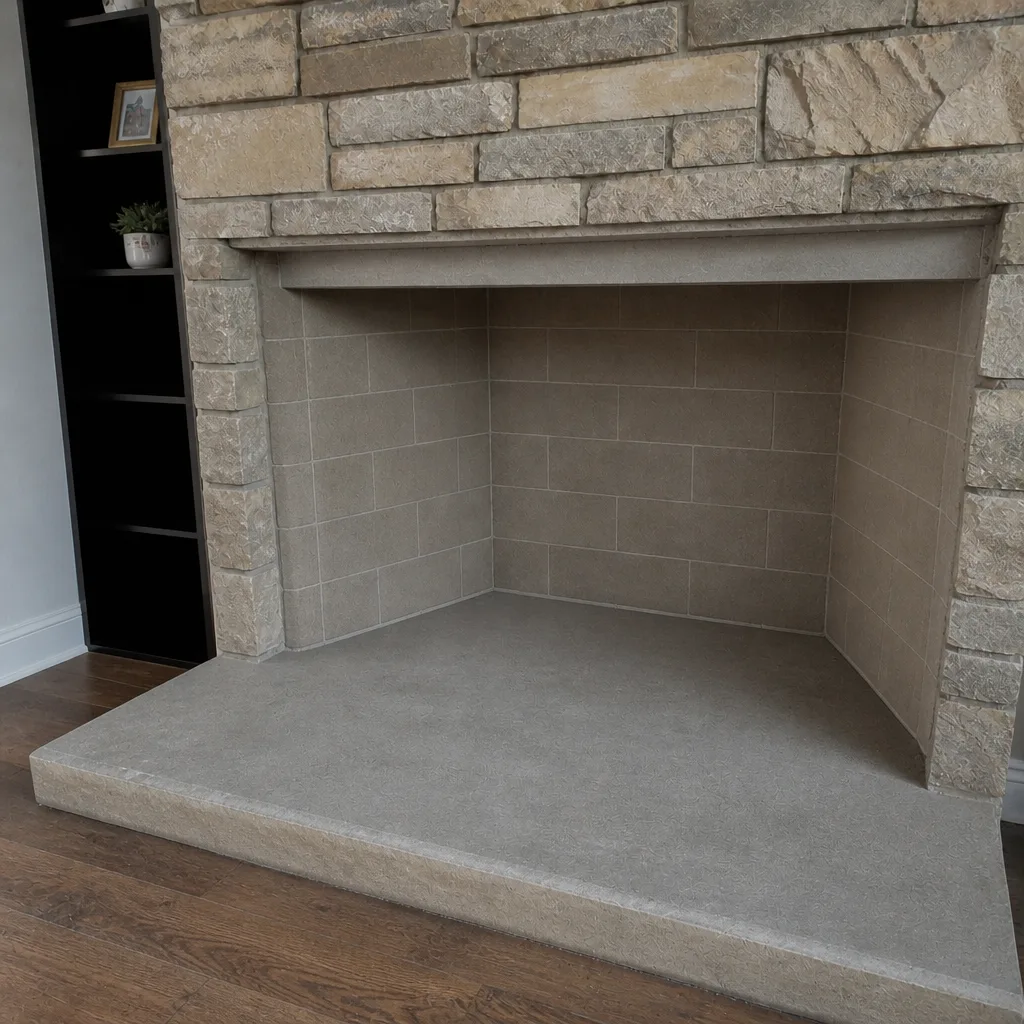
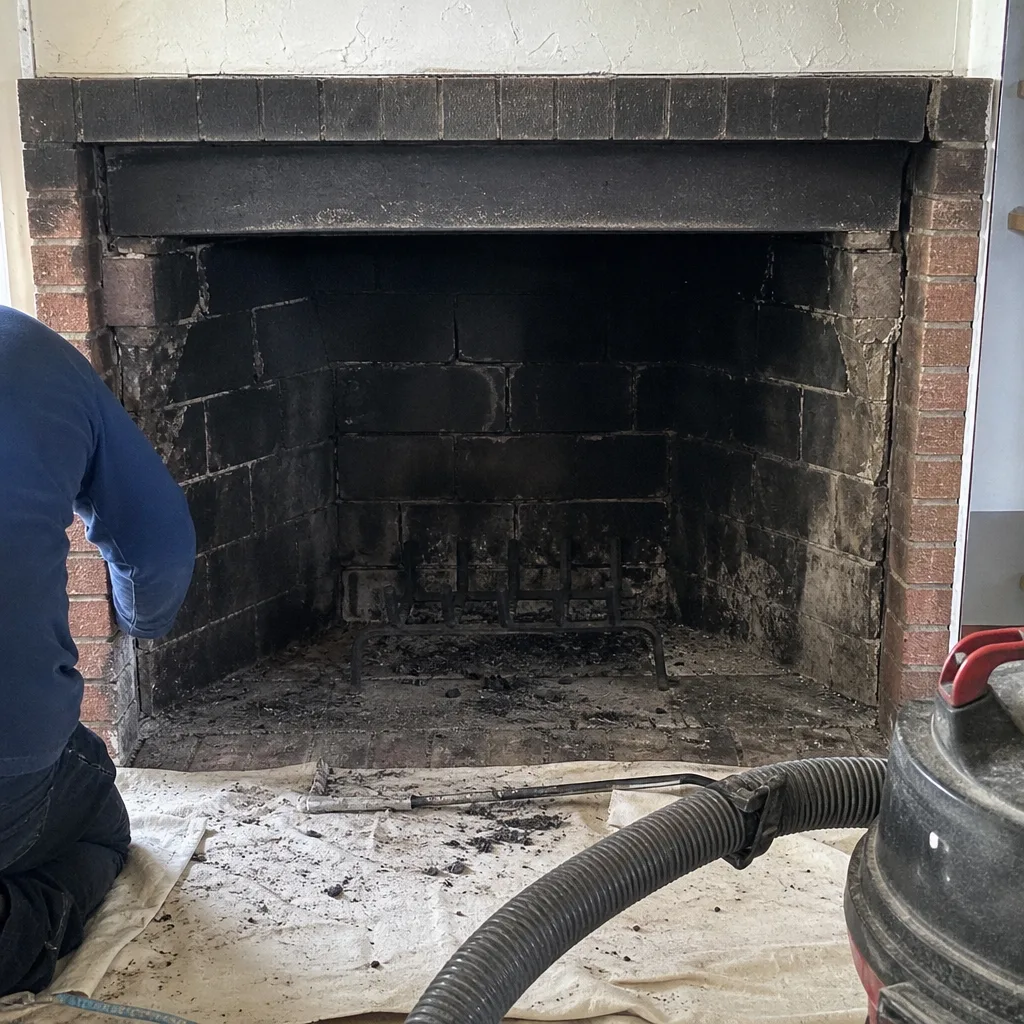
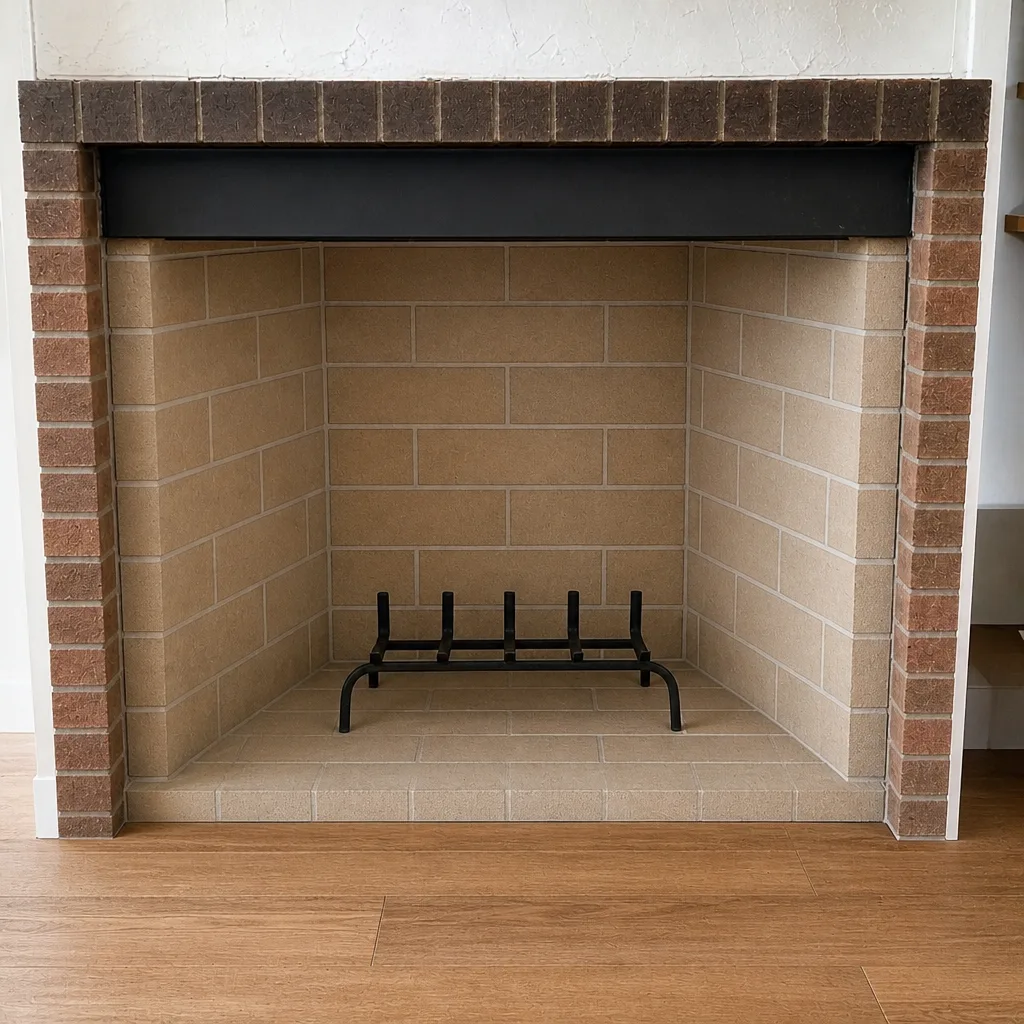
See the difference
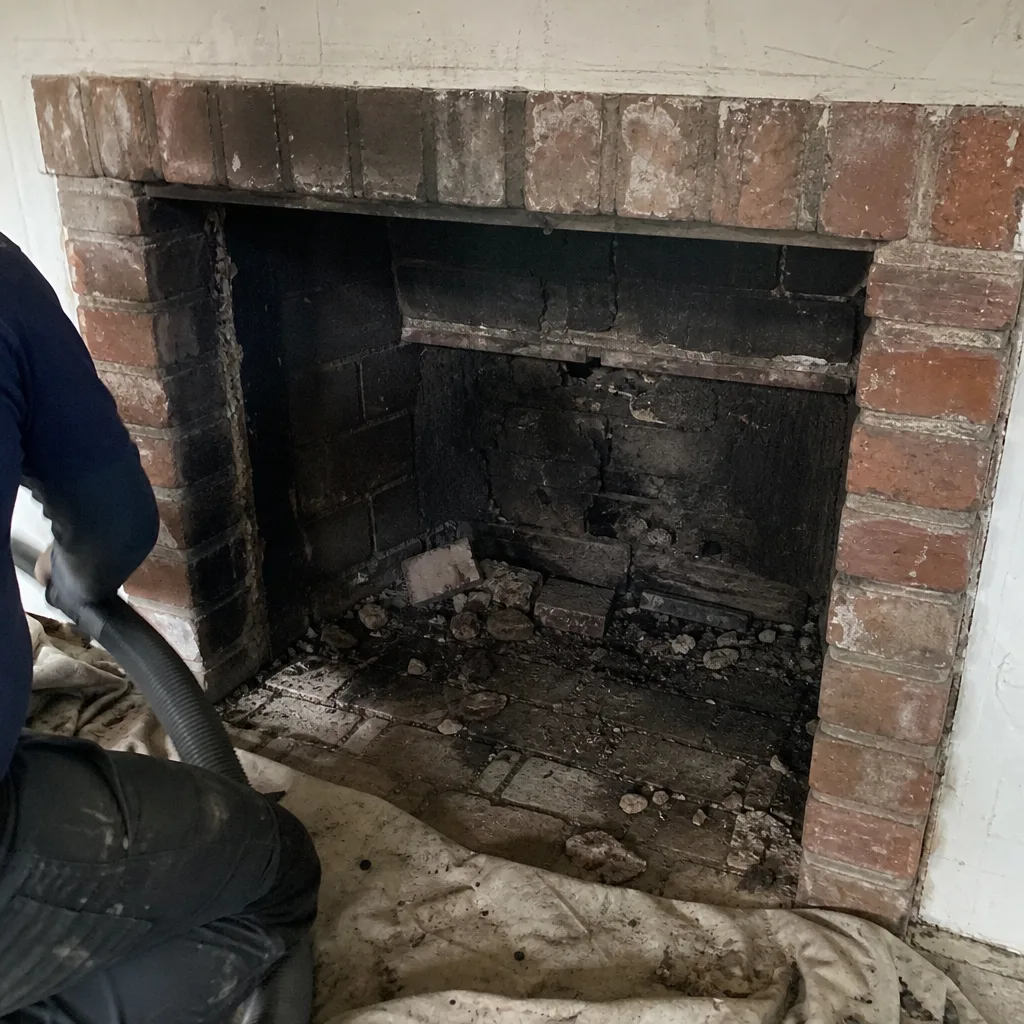 Before
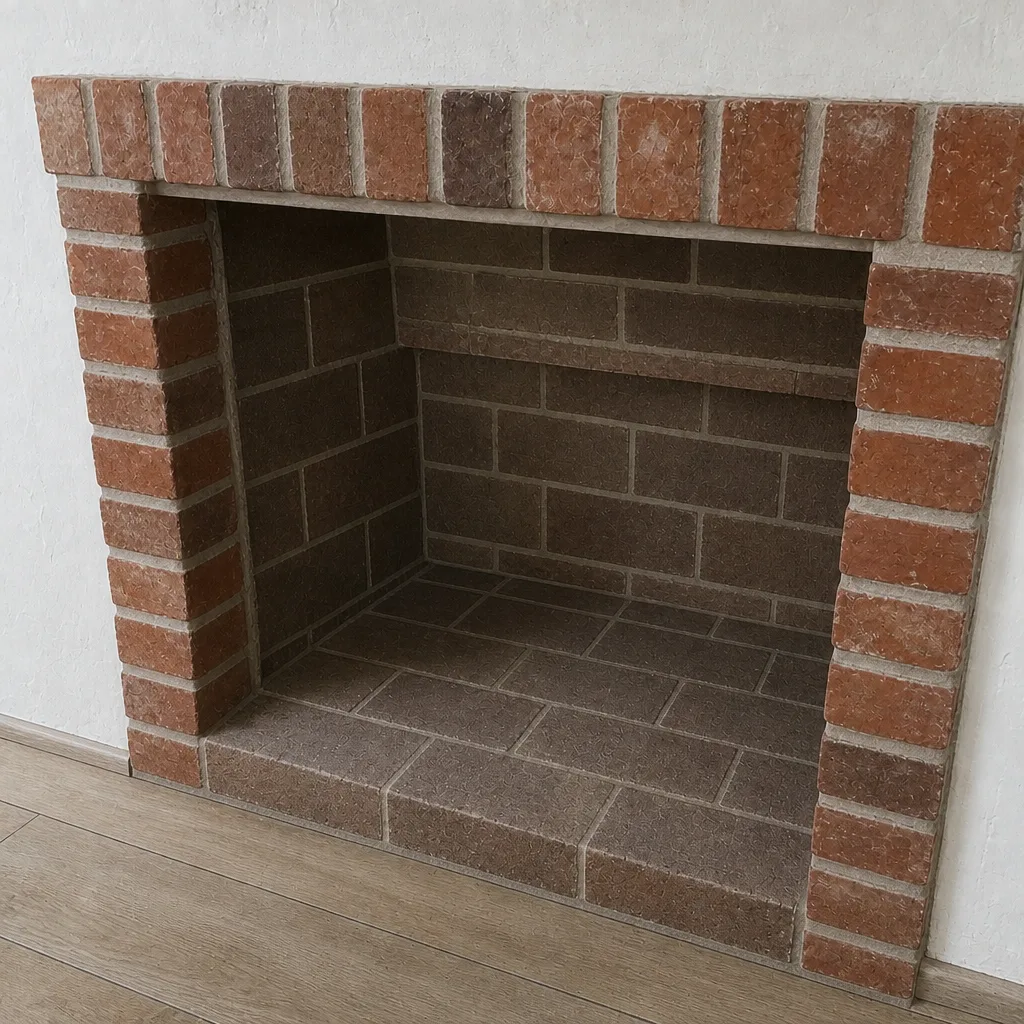 After
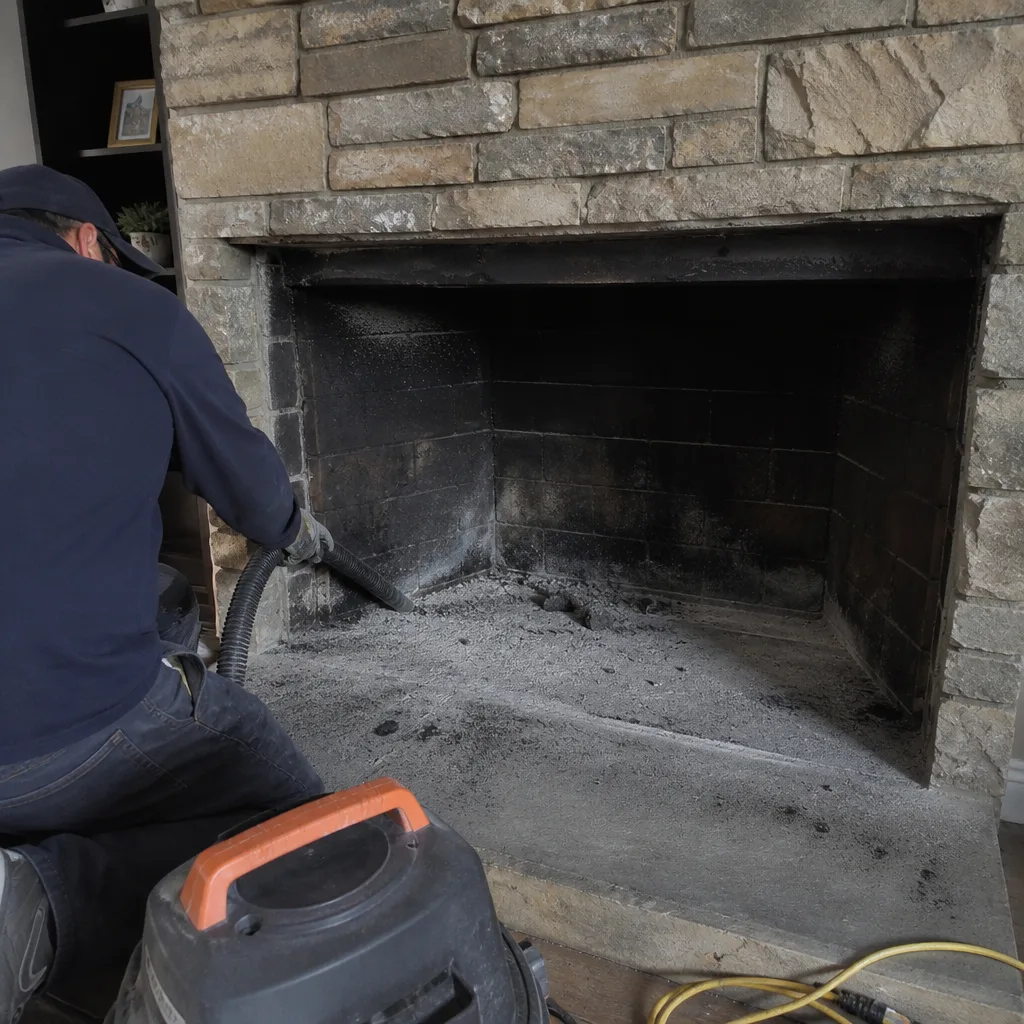 Before
 After
 Before
 After
When to Call a Professional
Call a professional in any of these situations: your flue shows shiny or crusty creosote; the chimney hasn’t been inspected in more than a year; you see soot streaks at a flue joint, the damper, or the cap; the chimney cap or crown has visible cracks; the house has been through a significant earthquake since the last inspection; or you’re buying or selling a Garden Grove home and need documented inspection for the disclosure. A gas fireplace install or conversion also belongs with a chimney specialist, because venting is the whole job. In any of these cases, the cost of an inspection is far below the cost of the problem it catches.
Garden Grove Chimney Sweep Pros offers free estimates in Garden Grove. Call Garden Grove Chimney Sweep Pros at (833) 629-1431. We answer 24/7. Fast dispatch from 7am to 7pm, Sunday through Friday. The local pro who performs the work is licensed and insured as their state requires.
Frequently Asked Questions
A standard chimney sweep in Garden Grove is typically an estimate-based job, and the price is set per job by the written estimate after the technician sees the flue. The estimate is free. For a camera inspection and a written report, expect a separate line item. Call (833) 629-1431 for an exact quote. Estimates are free.
You need a new liner only if the existing liner has failed, and the failure should be visible to you on camera before any work is recommended. We don’t recommend liner work without camera evidence you can see for yourself, and it’s worth saying plainly: many chimneys don’t need a full reline. HeatShield liner restoration extends the life of a failing liner for less than full replacement, and it’s the option we check first when the damage is within its range. Call (833) 629-1431 for an inspection that shows you the evidence.
Once a year for a wood-burning fireplace that gets regular use, and more often if you burn slow, smoldering fires or notice heavy creosote. In Garden Grove’s mild climate, the annual sweep should be paired with a camera inspection because the local burning pattern (small, slow evening fires) deposits glaze faster than most homeowners expect. Call (833) 629-1431 to book an inspection.
Creosote builds up, and Stage 3 glaze can ignite. A chimney fire can damage the flue tiles and spread to the surrounding framing, and the damage often isn’t visible from the ground afterward. Carbon monoxide is a second risk: a blocked or damaged flue can push combustion gases into the living space instead of up and out. Skipping maintenance skips the check that catches both. Call (833) 629-1431. We answer 24/7.
You can remove loose Stage 1 creosote and clean the firebox and ash, and that’s worth doing. What you can’t do is remove Stage 2 crust or Stage 3 glaze, inspect the hidden seams of the flue, or produce a documented report. For the flue interior specifically, a professional rotary cleaning and camera inspection does work a brush kit can’t. Call (833) 629-1431 for a free estimate.
Probably not in the way that matters, because a DIY sweep produces no documentation. Insurers typically look for evidence of maintenance after a fire loss, and a professional inspection with a written report is that evidence. We don’t give insurance advice; we do give you a written report you can keep. Call (833) 629-1431 to schedule an inspection.
We handle both. Our work covers five chimney services under one company: chimney sweep, fireplace repair, chimney repair, chimney inspection, and chimney cap and crown work. Homeowners don’t need a second contractor to finish the job. We work with professional-grade products like DuraFlex, Olympia Chimney, and HeatShield, and our technicians have up to 12 years of experience. Call (833) 629-1431 for a free estimate.
The Bottom Line
DIY chimney cleaning has a real but narrow job: removing loose soot and Stage 1 creosote from straight, reachable flue sections, and keeping the firebox and ash clear. It cannot touch Stage 2 crust, Stage 3 glaze, the smoke chamber, the flue joints, or the cap and crown, and it produces no documentation. In Garden Grove’s mild-winter climate, where slow evening fires deposit glaze faster than most homeowners expect, and in a region with an active seismic history that can crack flue tiles without any visible sign, the professional inspection is the piece of the job that matters most. Do the ash yourself. Have the flue inspected and cleaned by a chimney specialist.
For a free estimate on a professional cleaning and camera inspection, call (833) 629-1431. We answer 24/7. Fast dispatch from 7am to 7pm, Sunday through Friday. The price is set per job by the written estimate.
Written by the team at Garden Grove Chimney Sweep Pros.