
Last updated November 23, 2026
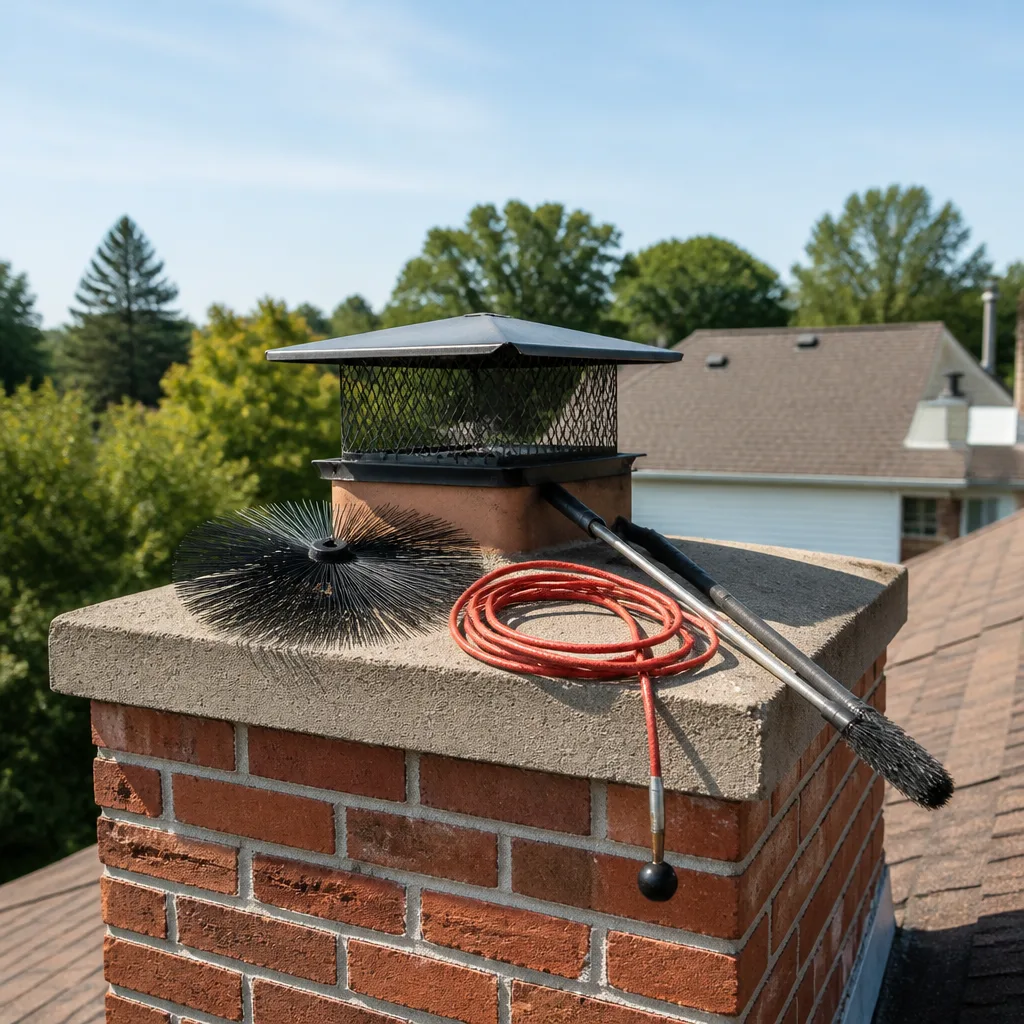 Sweep & inspection
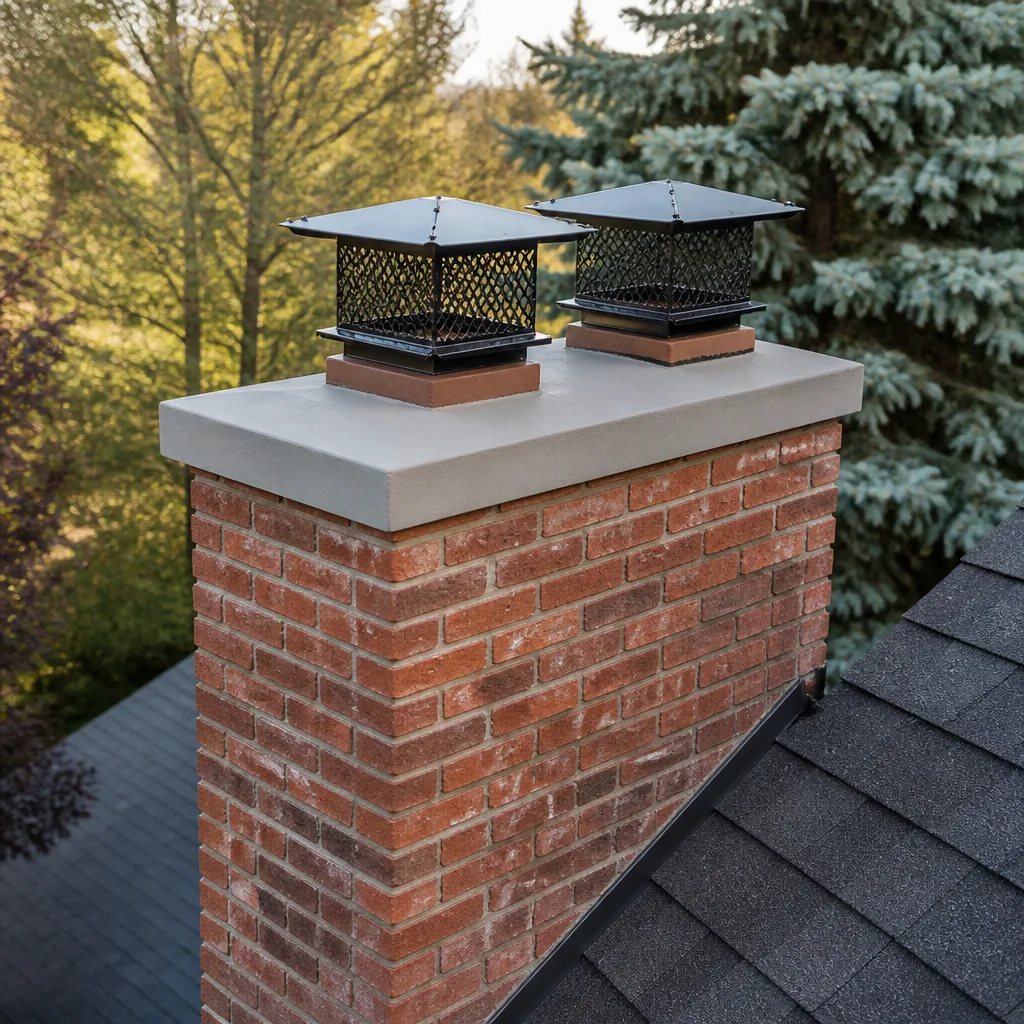 Caps & crowns
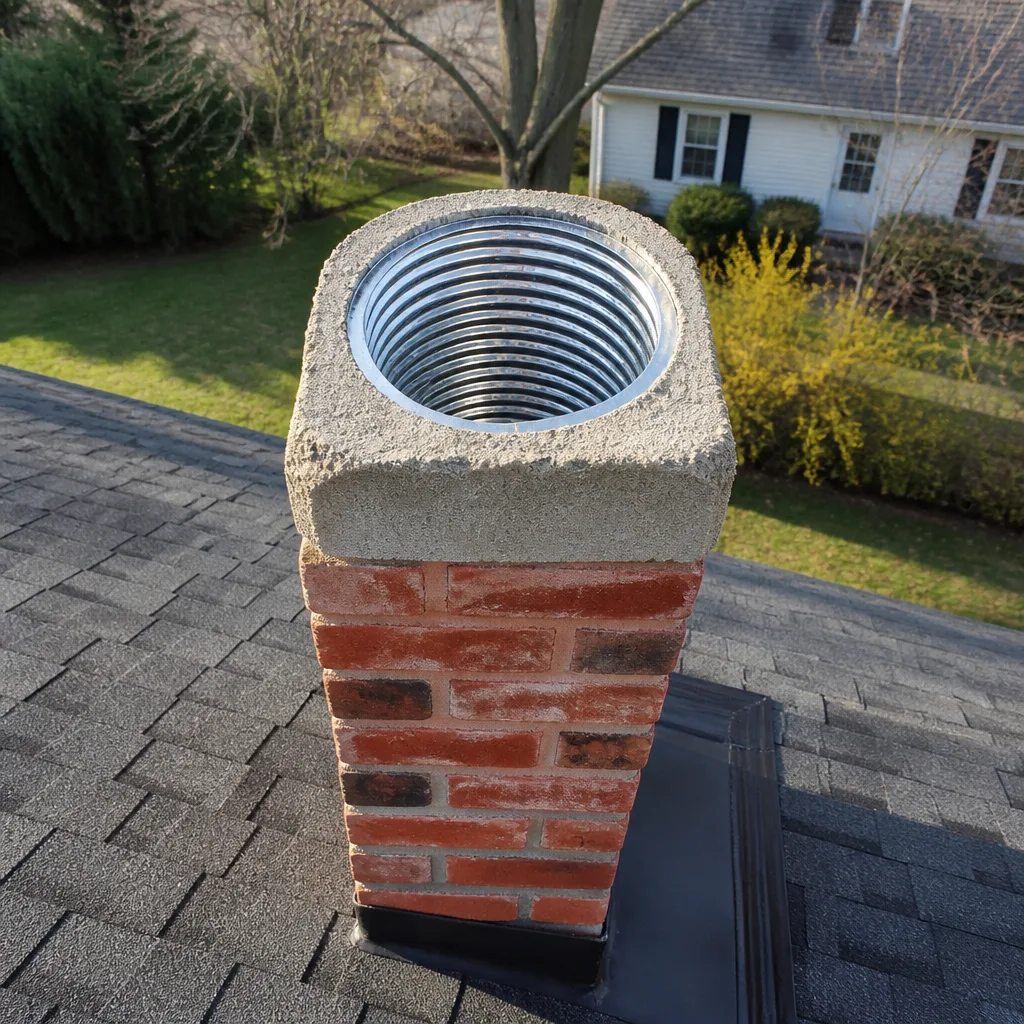 Flue relining
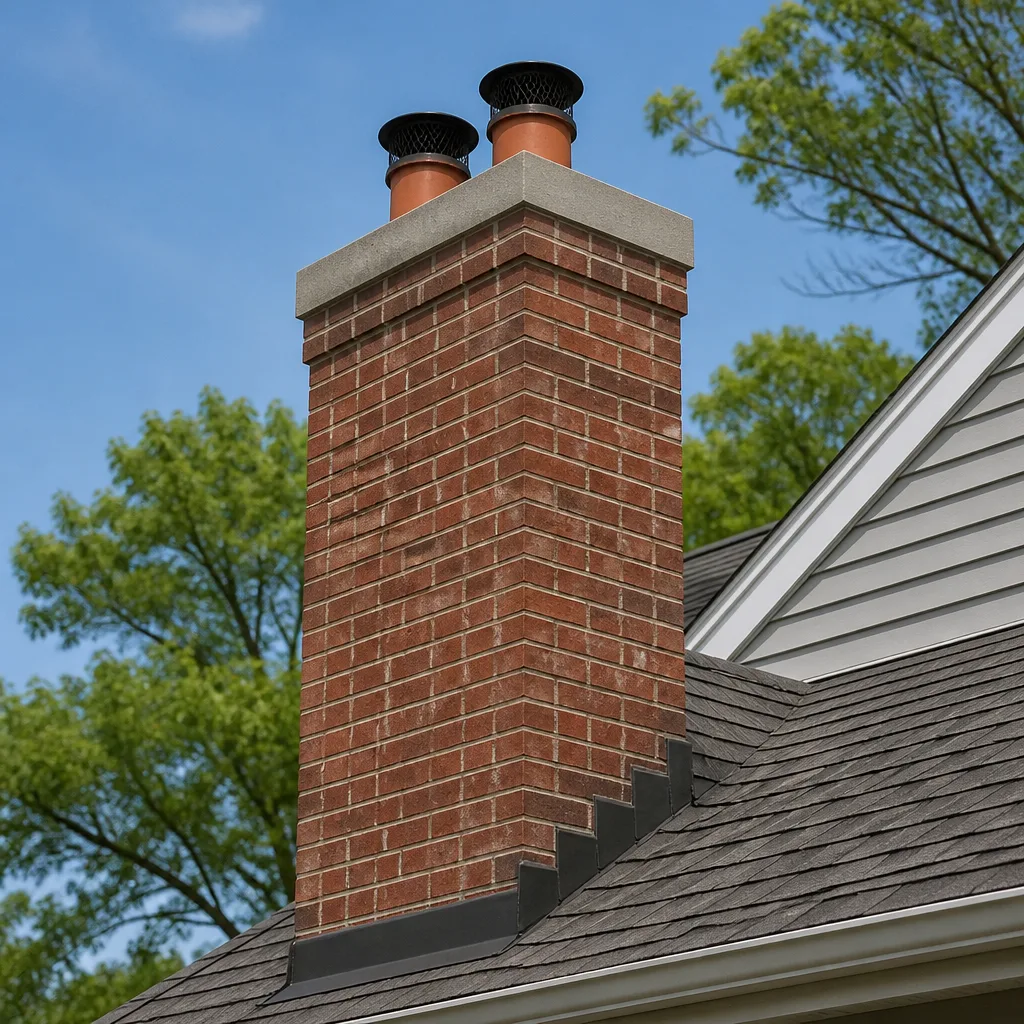 Masonry repair
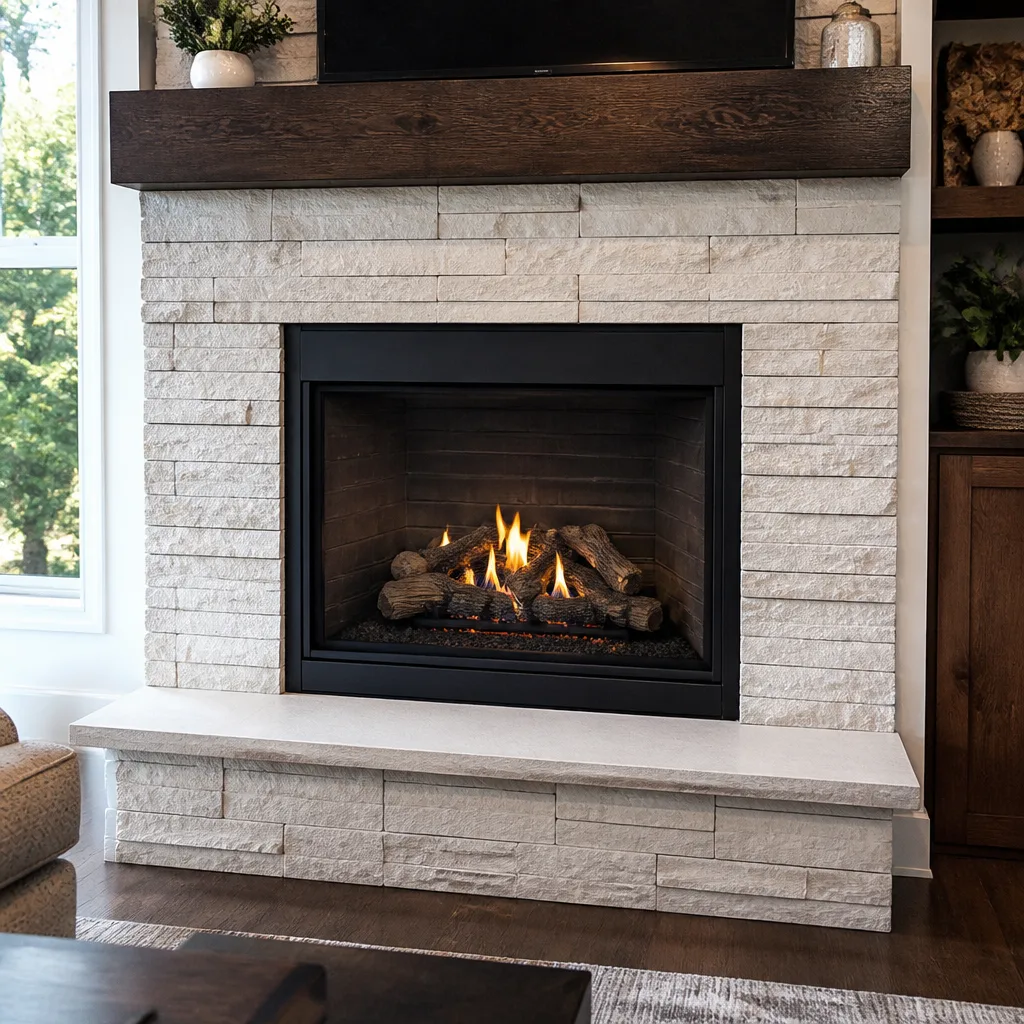 Gas fireplace service
Level 1 sweep and inspection to the NFPA 211 annual standard - flue, crown, cap, and flashing checked and photographed
Chimney sweep logs do not sweep chimneys. They loosen some creosote - which then falls where a brush and vacuum still have to collect it.
Seasonal Chimney Cleaning Care for Garden Grove: Year-Round Homeowner’s Guide
Most chimney-care calendars you’ll find online were written for places with real winters, where the whole year revolves around one cold season and a hard freeze. Garden Grove doesn’t work that way. Here the burn season is short and gentle, but the idle season is long, dry, and quietly hard on mortar, crowns, and flue tiles. The advice to “schedule your sweep in September” makes sense in Ohio. It makes less sense when September is still fire weather, your flue has sat unused for months, and the actual damage window stretched from spring to fall. This guide explains what’s really happening inside a Garden Grove chimney through all four seasons, when to sweep, and what to check before you light the first fire of the year.
Quick Answer
For most Garden Grove homes, spring is the best time to schedule a chimney sweep, with a second short inspection before the fall burn season. The long dry idle period from late spring through early fall is when heat, overnight moisture, and wind-driven debris do the most quiet damage to crowns, mortar joints, and flue tiles. A spring sweep clears the winter’s creosote, and a pre-season inspection confirms the flue is still sound before you burn again.
Styles & brands we work with
- Sweep & inspection
- Caps & crowns
- Flue relining
- Masonry repair
- Gas fireplace service
Table of Contents
- The Four-Season Chimney Calendar for Garden Grove
- What Happens Inside an Idle Flue (April Through October)
- Santa Ana Winds and Your Chimney: What to Check After a Wind Event
- Summer Heat, Mortar Joints, and Chimney Crowns
- Why Spring Is Usually the Best Sweep Timing Here
- The Marine Layer’s Overnight Moisture and Flue Tiles
- Early Warning Signs Garden Grove Homeowners Should Watch For
- Common Mistakes to Avoid
The Four-Season Chimney Calendar for Garden Grove
Think of a Garden Grove chimney as running on a different clock than the national guides assume. The burn season here is roughly November through March, when evenings finally cool enough to make a fire worthwhile. That leaves seven or eight months of idle time, and the chimney is still aging during every one of them. Here’s how the year actually breaks down in this climate:
- Spring (March through May): The burn season winds down and the flue goes quiet. This is the cleanest window to sweep out the winter’s creosote before the long idle period begins. A sweep now also lets a technician lay eyes on the crown and mortar before summer heat gets to work on them.
- Summer (June through September): The flue is idle and hot. Expansion and contraction work on mortar joints and crowns. Debris that blew in over the previous fall sits and collects moisture. This is the season most cold-climate advice ignores, and it’s the season that does the quiet damage here.
- Fall (October through November): Santa Ana wind events push debris into flues and create strong negative pressure. Before the first fire, an inspection confirms nothing has been blocked or loosened.
- Winter (December through February): The actual burn season. Short, mild, and the time when creosote accumulates in the flue with each fire.
That rhythm is the core of seasonal chimney care in Garden Grove. Cold-climate homeowners clean, then winter does the wear. Here, summer does a lot of the wear while the chimney is sitting still.
What Happens Inside an Idle Flue (April Through October)
An idle flue is not a dormant flue. The moment the last fire of the season burns out, a slow set of changes begins inside the chimney, and Garden Grove’s long dry summer gives those changes plenty of time to work. Here’s what’s happening during the idle months:
- Creosote dries and hardens. Fresh creosote from the winter’s fires starts soft and gets harder and more glassy as it dries. The longer it sits, the more stubborn it is to remove, and the more flammable it becomes.
- Debris accumulates on the smoke shelf. Leaves, twigs, bird nesting material, and dust settle at the smoke shelf and around the damper. Over a full dry season, that pile grows.
- Mortar joints dry out and shrink. Repeated hot days and cool nights work on the mortar that holds the bricks together. Hairline cracks widen.
- Flue tiles develop stress cracks. The clay liner tiles inside a typical Garden Grove home expand during the day and contract overnight. Cracks that were invisible in spring may open by early fall.
The practical point: nine months without a fire is not nine months of safety. It’s nine months of slow change. The sweep and inspection exist so you know what actually changed, rather than guessing from the outside.
Santa Ana Winds and Your Chimney: What to Check After a Wind Event
Santa Ana winds are the single biggest seasonal wildcard for Garden Grove chimneys. When the winds come through, they do two things that matter. First, they carry debris – leaves, loose branches, grit – that lands on the crown, in the flue, or on top of the spark arrestor. Second, they change the pressure relationship between the inside of your house and the outside, and a chimney that normally drafts correctly can behave strangely for days afterward.
After a strong Santa Ana event, before you light a fire, check these things:
- Chimney cap: Look for a cap that has shifted, tilted, or been partially dislodged. A cap that was knocked crooked no longer keeps rain and animals out.
- Spark arrestor and screen: Confirm the screen is clear, not packed with debris or bent by wind.
- Visible crown damage: Check from the ground with binoculars for cracks that opened during the wind event.
- Debris at the firebox: Open the damper and look up with a flashlight. If you can see leaves stuck on the smoke shelf or a suspicious blockage, don’t burn until a technician clears it.
- Unusual draft: A strong draft or a draft that reverses briefly after the wind event usually corrects itself, but if you smell smoke inside the house, call us before relighting.
If anything looks off after a Santa Ana wind, that’s exactly the moment a chimney inspection earns its keep. Better to know in October than after the first fire.
Summer Heat, Mortar Joints, and Chimney Crowns
The chimney crown is the concrete slab at the top that sheds water away from the flue. It’s also the first thing summer heat attacks. Garden Grove summers bring long stretches of hot days and cool nights, and that daily swing expands and contracts the crown and the mortar joints below it. Each cycle opens hairline cracks wider. Once the crown loses its ability to shed water, the damage doesn’t stay at the top. Water works its way into the brick and mortar below.
Mortar joints suffer the same way. The mortar between bricks is a mix of sand, cement, and lime. In a long dry summer, that mortar dries and shrinks. The joints don’t fail overnight; they fail over seasons. You’ll see the result as crumbling mortar, loose brick faces, and eventually water stains on the chimney’s interior face.
Here’s what this means for Garden Grove homeowners specifically:
- A chimney crown that looks “close to fine” in March can be meaningfully cracked by August.
- Mortar joint damage is much cheaper to catch in summer than in winter, because it can be repointed before water gets into the structure.
- Products like Famco crowns and HeatShield liner restoration exist precisely for the mid-stage damage that a sweep-only service would tell you to just replace. The point is to catch it before replacement is the answer.
- Any crack in the crown should be sealed or the crown rebuilt, not just painted over. Paint is not a repair.
Our chimney cap and crown installation and repair service exists for exactly this reason. The two most common water entry points are the cap and the crown, and both are cheaper to fix proactively than after a leak has spread.
Why Spring Is Usually the Best Sweep Timing Here
This is the counterintuitive part of the guide. In most of the country, homeowners sweep in fall before burning season. In Garden Grove, spring makes more mechanical sense for most homes. Here’s the case:
- The creosote is fresh but not yet hard. A spring sweep removes the winter’s deposits while they’re still soft. Skip the spring sweep and that creosote sits through the entire dry season, hardening into the glassy, flinty type that’s harder to remove.
- You see the state of the flue before summer damages it. A spring inspection documents the mortar and flue-tile condition going into the hot months. Then a pre-fall check shows what changed.
- Summer is the long damage window. If the flue needs attention, better to schedule it in early summer than to discover it in October when you want to light a fire.
- Sweep timing and cap/crown timing align. A spring visit lets us do the sweep, inspect the crown, and catch any cap issues before summer does its worst. One visit, one season’s worth of care.
- Draft quality matters in warm weather too. Even in spring, a chimney with debris buildup drafts weakly. Cleaning it means the chimney behaves normally the next time someone opens the damper.
The counterargument for fall-swept homes: if you haven’t had a spring sweep, a fall inspection is still worth it. But the physics favors catching the flue before the long dry season starts, not after. Our chimney sweep is a full sweep and inspection, not just a brush from the top.
The Marine Layer’s Overnight Moisture and Flue Tiles
Garden Grove sits inland enough to get warm dry days but close enough to the coast that overnight and early-morning moisture still rolls in during much of the year. That nightly moisture does something specific to flue tiles: it wicks into existing hairline cracks and into the mortar bed where the tiles sit. During the day, the moisture evaporates. At night, it comes back. Over a full year, that daily cycle opens tile cracks and softens mortar joints.
The early warning signs to watch for:
- White powdery stains on the exterior of the chimney (efflorescence): a sign of moisture moving through the brick and leaving minerals behind.
- Crumbs of mortar at the base of the chimney, inside the firebox, or on the roof around the flue: active mortar joint breakdown.
- A musty smell inside the firebox during warm months: almost always trapped moisture in the flue, not a draft issue.
- Flaking interior flue tile after a fire: the tile face has cracked and is starting to spall.
Once flue tiles are compromised, you’re facing a choice between repairing the liner and replacing it. Liner restoration with HeatShield is often the middle ground. It resurfaced a compromised flue with a ceramic-based material that extends chimney life without full liner replacement, and it’s the kind of solution a sweep-only company doesn’t offer.
Early Warning Signs Garden Grove Homeowners Should Watch For
The chimney doesn’t usually announce its problems. It shows them quietly, and Garden Grove’s long idle season gives those signs time to look normal. Here’s a short list worth checking a couple of times a year:
- Weak draft when you first light a fire: often debris buildup or a partially blocked flue, not just “cold chimney” behavior.
- Smoke curling back into the room: a draft problem, a blockage, or a damaged liner. Stop burning and get it looked at.
- Visible cracks in the crown or fireplace mortar: the start of a water damage path that will only get worse.
- Stains on the ceiling near the chimney or the roofline: a chimney leak, almost always starting at the cap or crown.
- Creosote that looks shiny or glassy inside the firebox: the most flammable type of creosote; sweep before the next burn season.
- Any animal activity (birds, squirrels) around the chimney: a missing or damaged cap; nest material is a fire hazard in the flue.
If any of these show up, that’s the point to call rather than “keep an eye on it.” Our chimney repair covers structural work, and our fireplace repair covers the firebox side. Not every problem is structural; some are a damper, a firebox crack, or a loose cap.
Common Mistakes to Avoid
- Following a cold-climate chimney calendar. “Sweep in September, clean up in spring” was written for places with real winters. In Garden Grove, September is often still fire season and the flue has already sat idle for months. Sweep in spring, then inspect before fall.
- Assuming the chimney is fine because you barely used it. The chimney doesn’t stop aging when the fireplace is dark. Summer heat, overnight marine moisture, and Santa Ana winds all work on it while it’s idle. Low usage is not the same as no wear.
- Painting cracked crowns instead of repairing them. Paint hides water entry; it doesn’t stop it. A crown that’s cracking needs real repair, or a rebuild, not a coat of sealer.
- Burning the first fire of fall without looking up the flue. A quick visual check with a flashlight catches obvious debris and animal nesting before you add heat. If you see something, don’t burn; call us.
- Ignoring overnight moisture signs. Musty smells and efflorescence are early warnings. They usually mean flue tile or mortar is taking on water. Left alone, the cost moves from restoration to replacement.
- Hiring a multi-trade handyman for a chimney problem. Chimney work is a specialty. A roofer may patch a crown; a chimney specialist knows what the crown is protecting and why.
- Skipping the pre-season inspection after a windy fall. Santa Ana events come through before you expect them. If your cap or screen has shifted, you want to know before the first fire, not after.
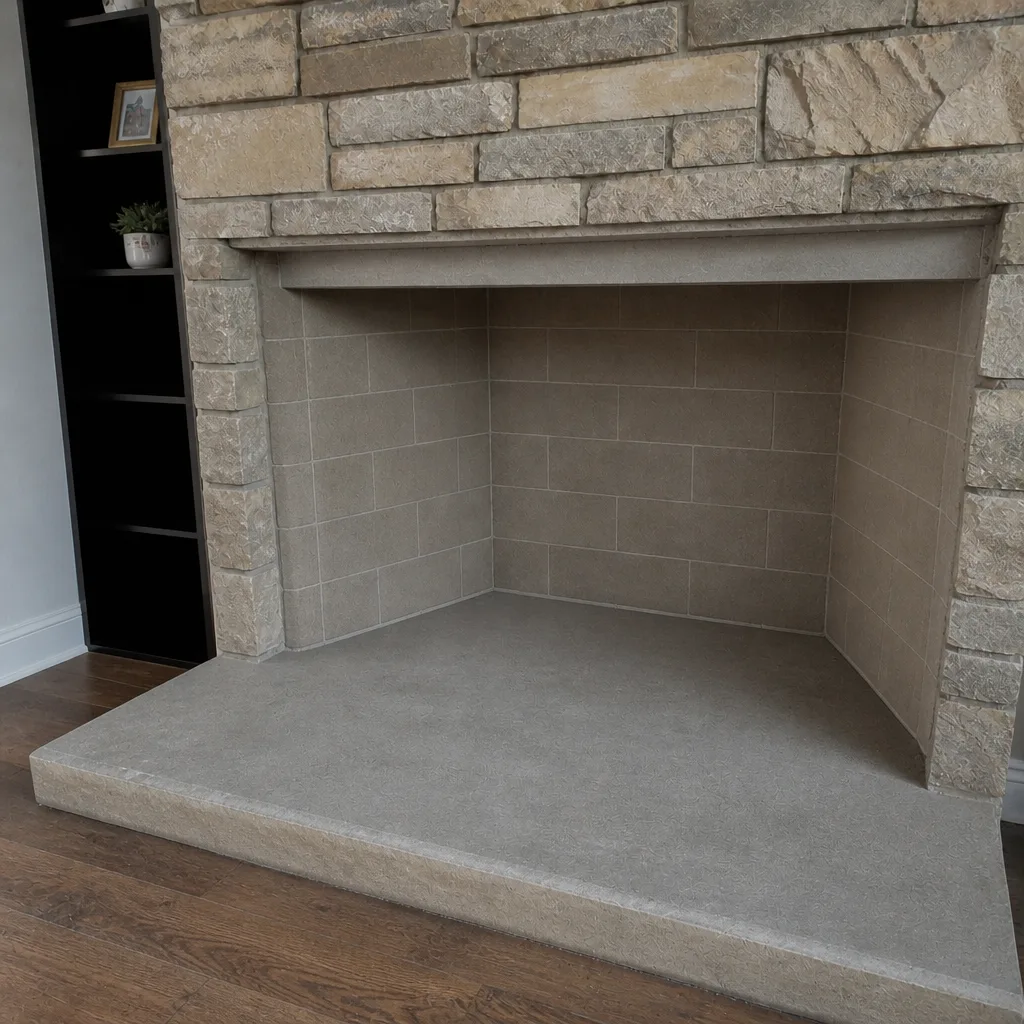
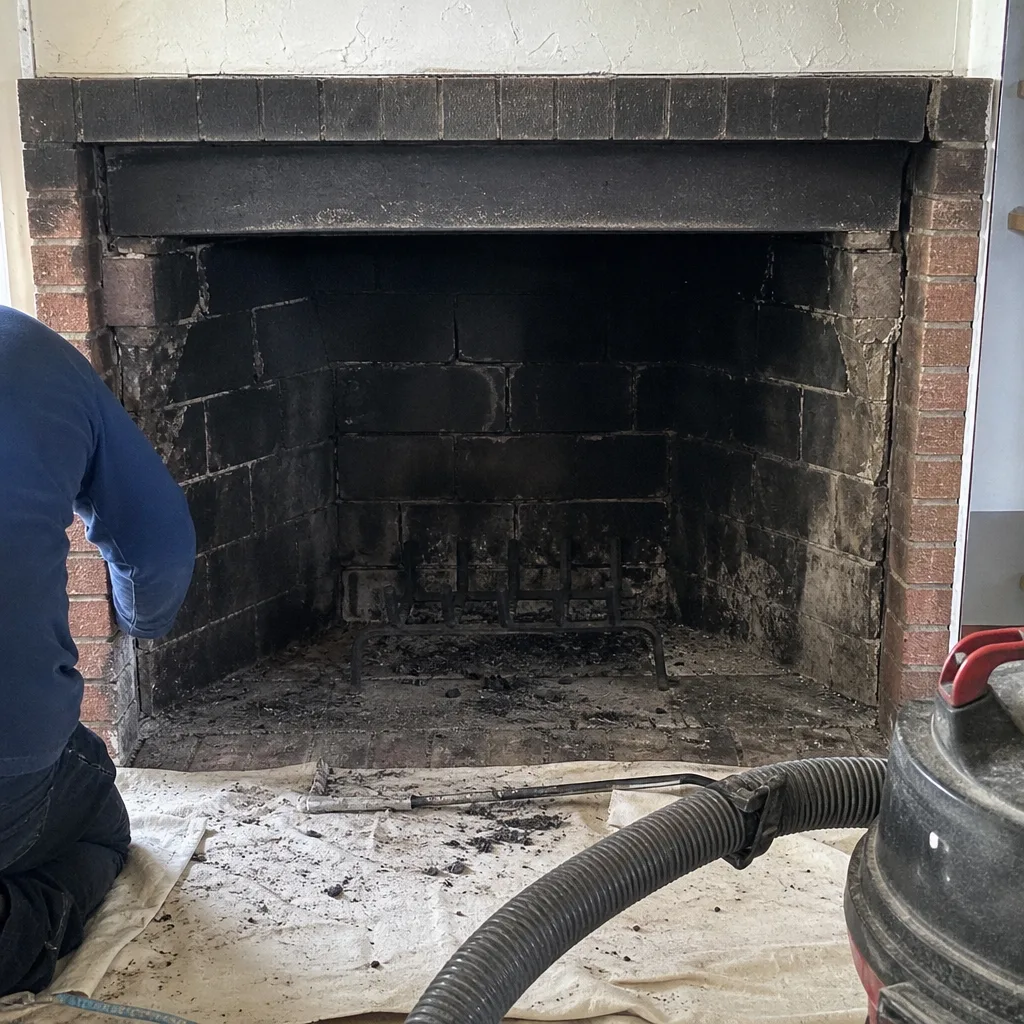
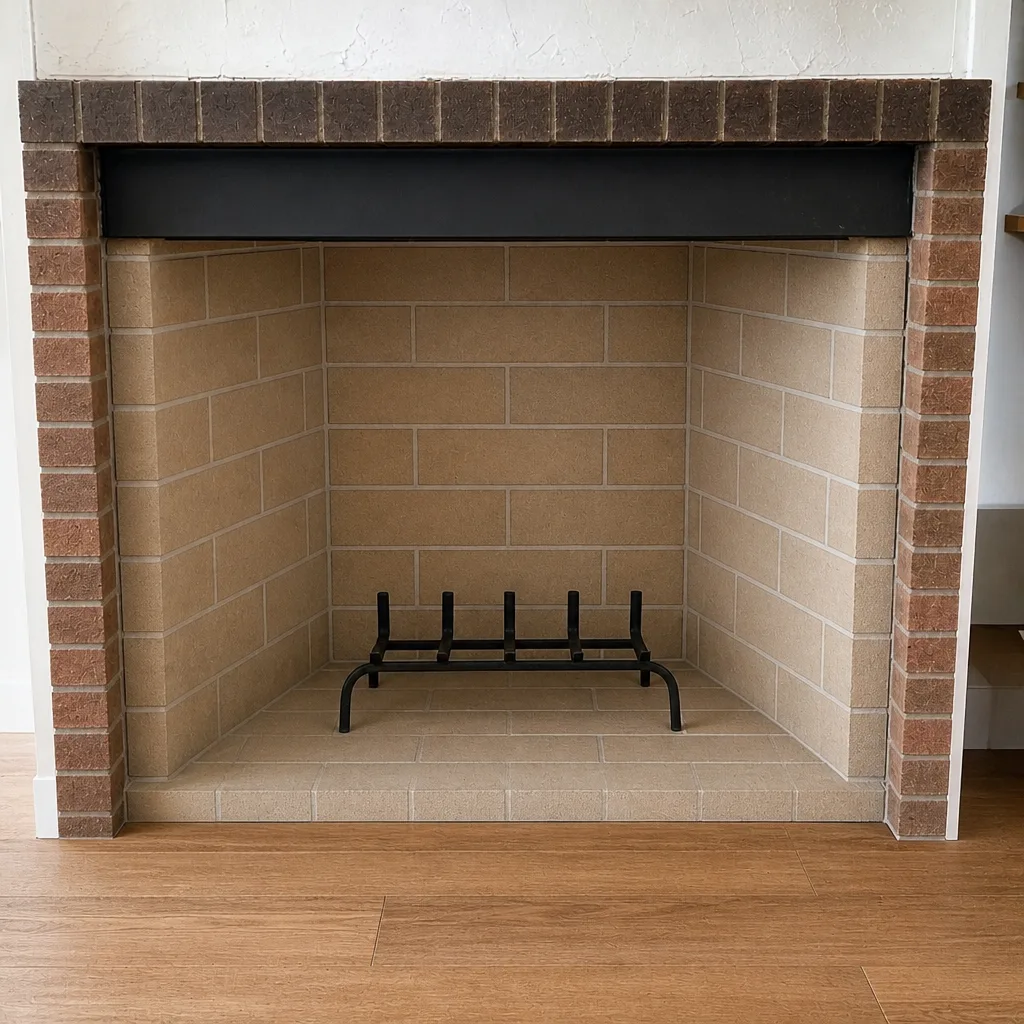
See the difference
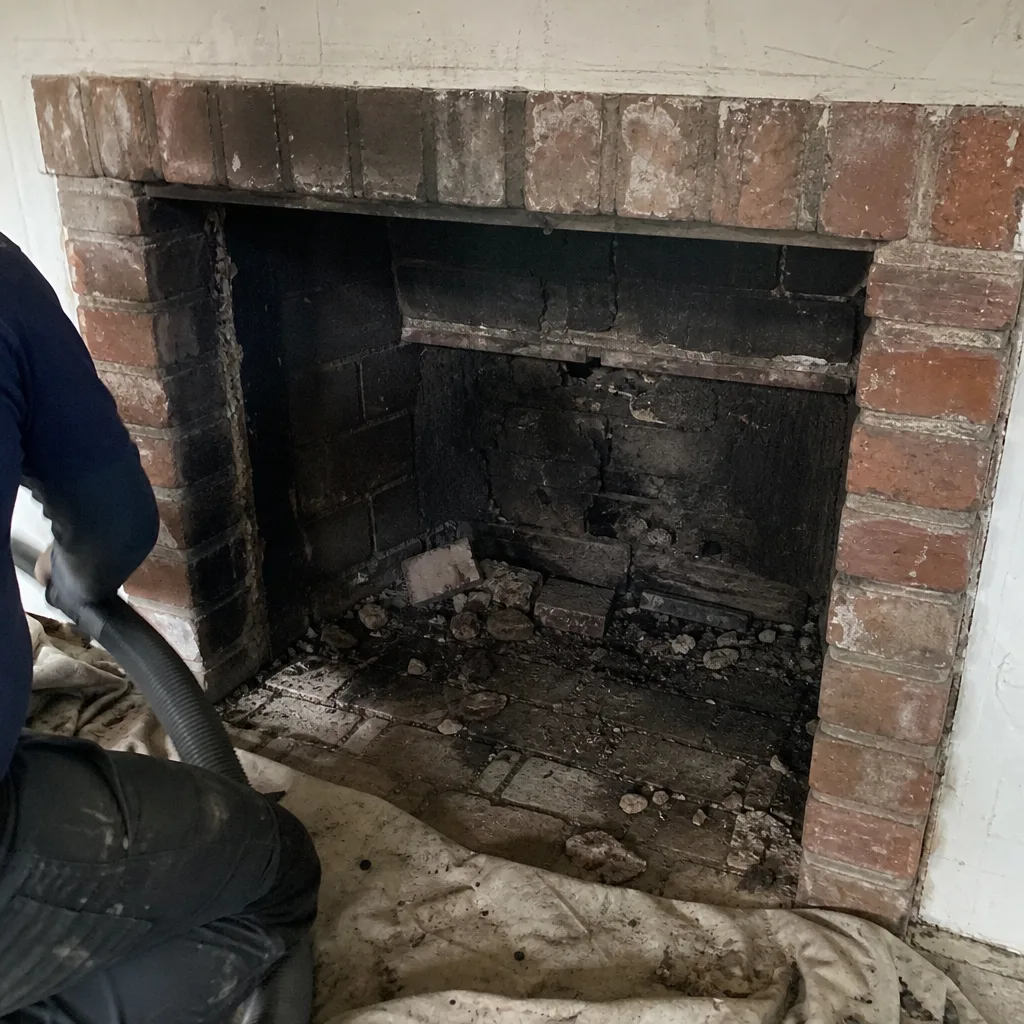 Before
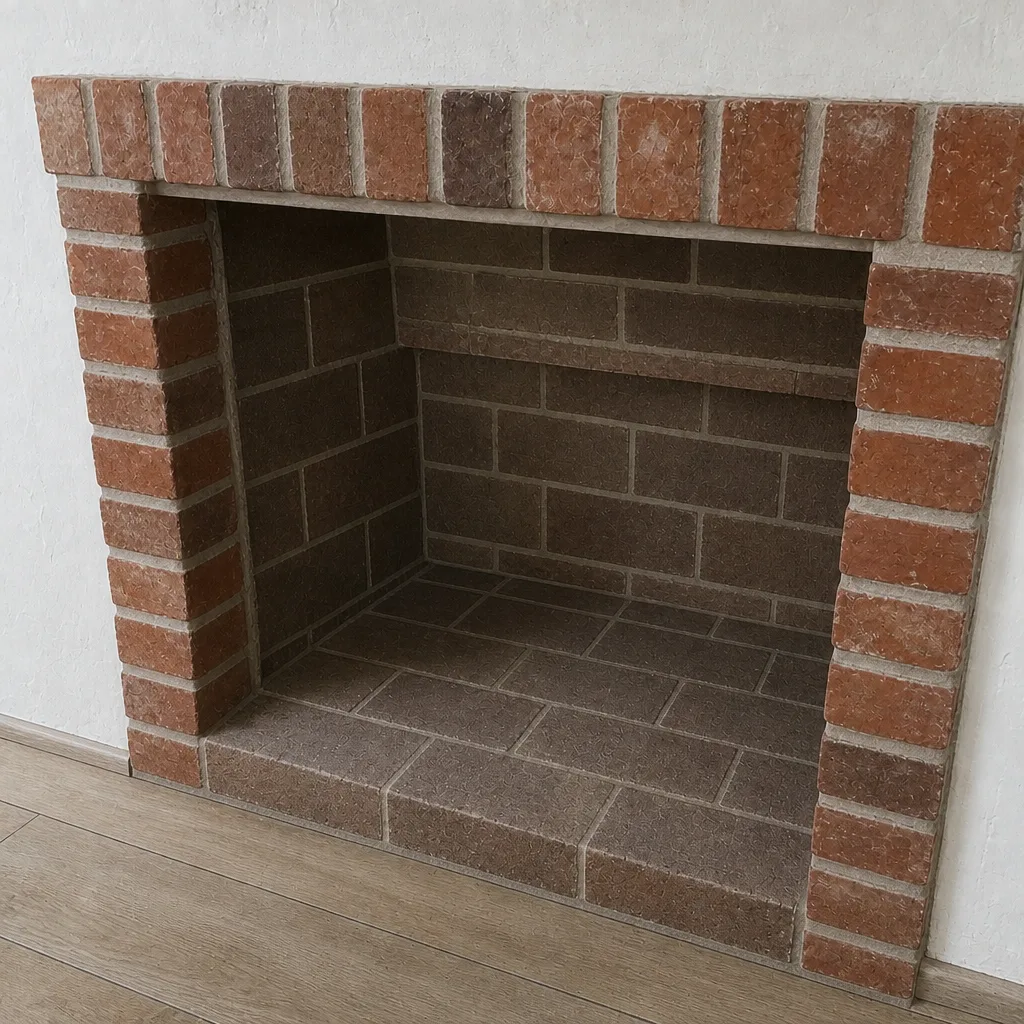 After
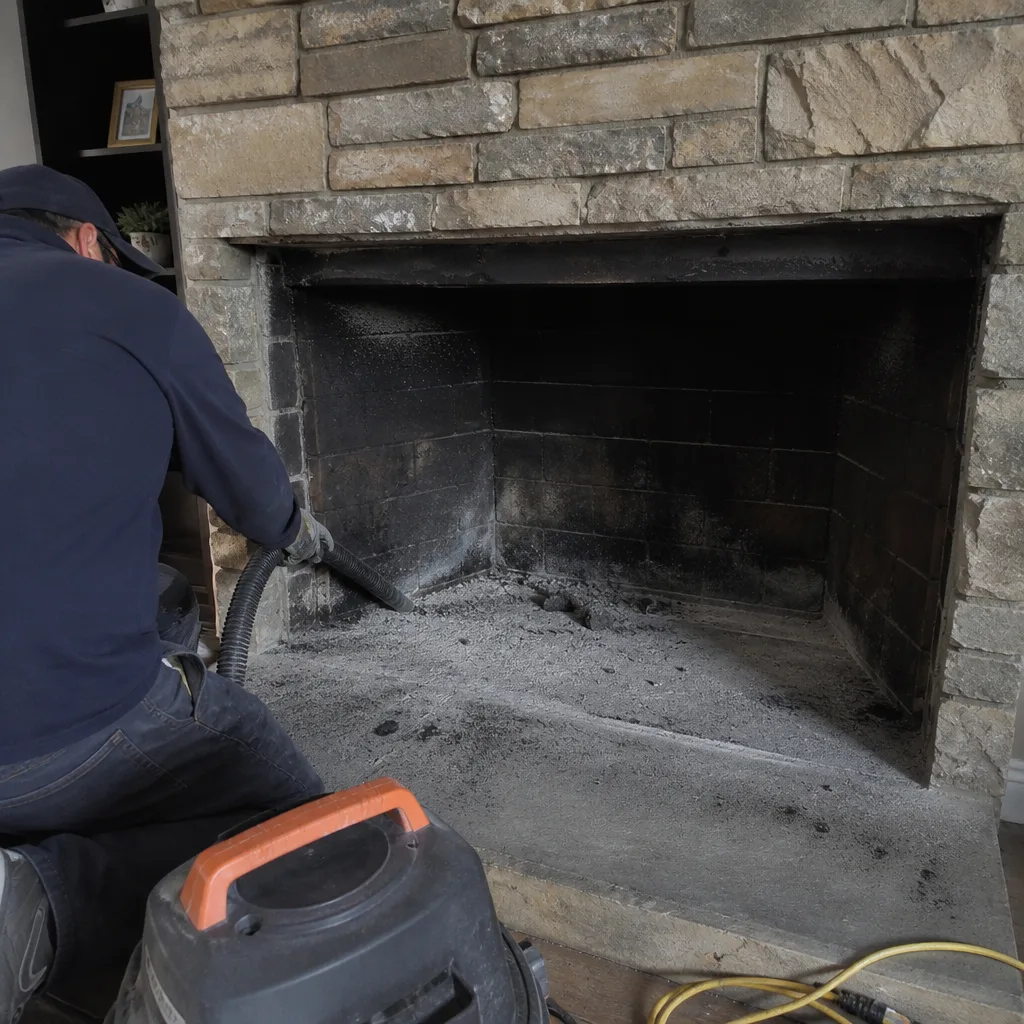 Before
 After
 Before
 After
When to Call a Professional
Some seasonal care is preventive and some is urgent. Call us right away if you smell smoke inside the house when you light a fire, if you see visible creosote above a quarter inch thick, if your chimney cap is loose or missing after a wind event, or if you notice stains on the chimney exterior or ceiling near the chimney. These are the scenarios where a small issue either becomes a fire hazard or becomes expensive fast. For routine sweep timing, call us in spring with a follow-up inspection in fall. Garden Grove Chimney Sweep Pros offers free estimates in Garden Grove; call (833) 629-1431 to set one up. Our technicians have up to 12 years of experience, and every technician on your job is a chimney specialist, not a generalist. We answer 24/7. Fast dispatch from 7am to 7pm, Sunday through Friday.
Frequently Asked Questions
Once a year is right for most homes here, timed to spring for the sweep and fall for the inspection. A home that burns regularly through the winter benefits from the annual sweep regardless of usage. A home that burns lightly can sometimes go longer, but the annual inspection still matters because so much of the local wear comes from summer rather than fires. Call (833) 629-1431 for an exact quote: estimates are free.
Yes, for most Garden Grove homes. Spring removes the winter’s creosote while it’s still soft, and it lets a technician inspect the crown and mortar before summer heat works on them. A fall sweep is still fine if spring was missed, but a fall-only schedule leaves the flue sitting with hardened creosote through the entire hot season. Call (833) 629-1431 to book a spring sweep before the dry months.
That smell is almost always trapped moisture in the flue, not a ventilation problem. It’s the kind of early sign worth an inspection, because it usually means a flue tile or mortar joint is taking on water. Leave the fire off and let us look. Call (833) 629-1431 to schedule; estimates are free.
They can be. Santa Ana events push debris into flues and onto caps, and they can dislodge a cap that was already loose. After a strong event, check the cap, the screen, and the firebox before you light a fire. If anything looks wrong, call us at (833) 629-1431 for an inspection.
You can skip it in the short term, but you shouldn’t skip the annual inspection. Low winter use doesn’t cancel out the summer changes: mortar joint cracking, crown wear, and overnight moisture buildup all happen whether or not the fireplace ran. The inspection is how you find out whether anything needs attention.
A sweep is the cleaning itself; an inspection is the check of what’s there. We do both together so you get a clean flue and a clear picture of mortar, crown, cap, and flue tile condition. If anything needs work, you get a written estimate before any of it starts. Call (833) 629-1431. We answer 24/7. Fast dispatch from 7am to 7pm, Sunday through Friday.
The Bottom Line
Garden Grove’s climate doesn’t follow the national chimney-care rules. The burn season is short, the idle season is long, and the quiet damage to mortar, crowns, and flue tiles happens between fires, not during them. If you take one thing away, take this: sweep in spring, inspect before fall, and treat the summer months as an active part of your chimney’s year rather than an off-season. That schedule catches the small things while they’re still small, which is where Garden Grove Chimney Sweep Pros does its most useful work. If you’re not sure when you were last swept, book an inspection; it’s the fastest way to know.
Call (833) 629-1431 for a free estimate. We answer 24/7. Fast dispatch from 7am to 7pm, Sunday through Friday.
Written by the team at Garden Grove Chimney Sweep Pros.