
Last updated November 23, 2026
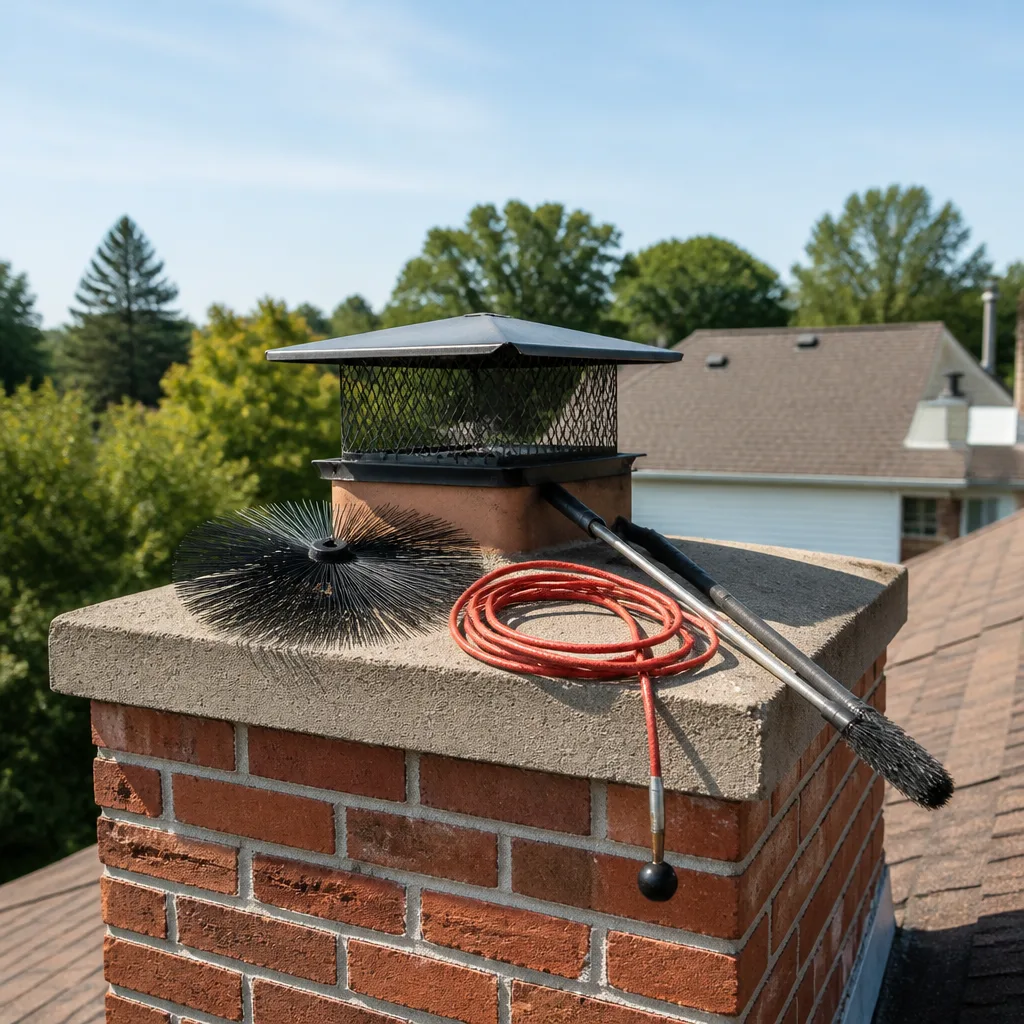 Sweep & inspection
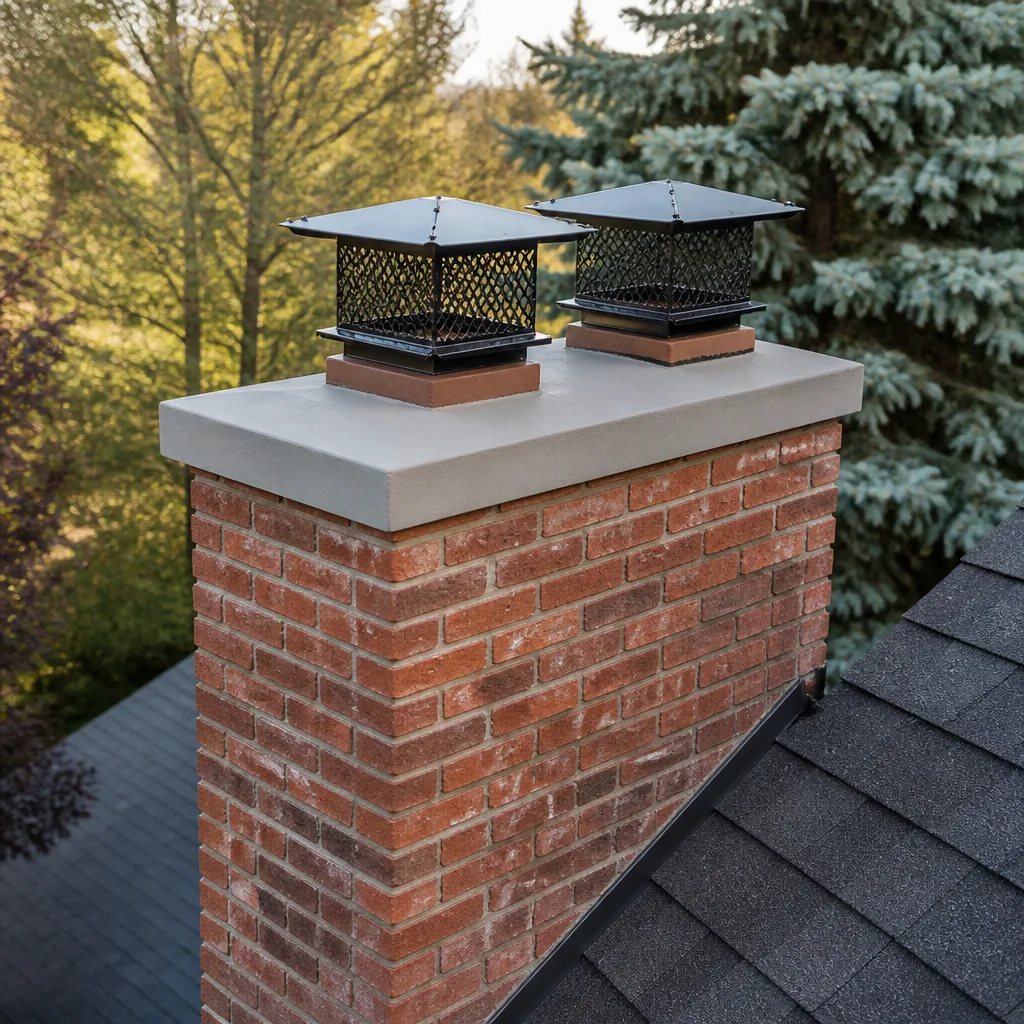 Caps & crowns
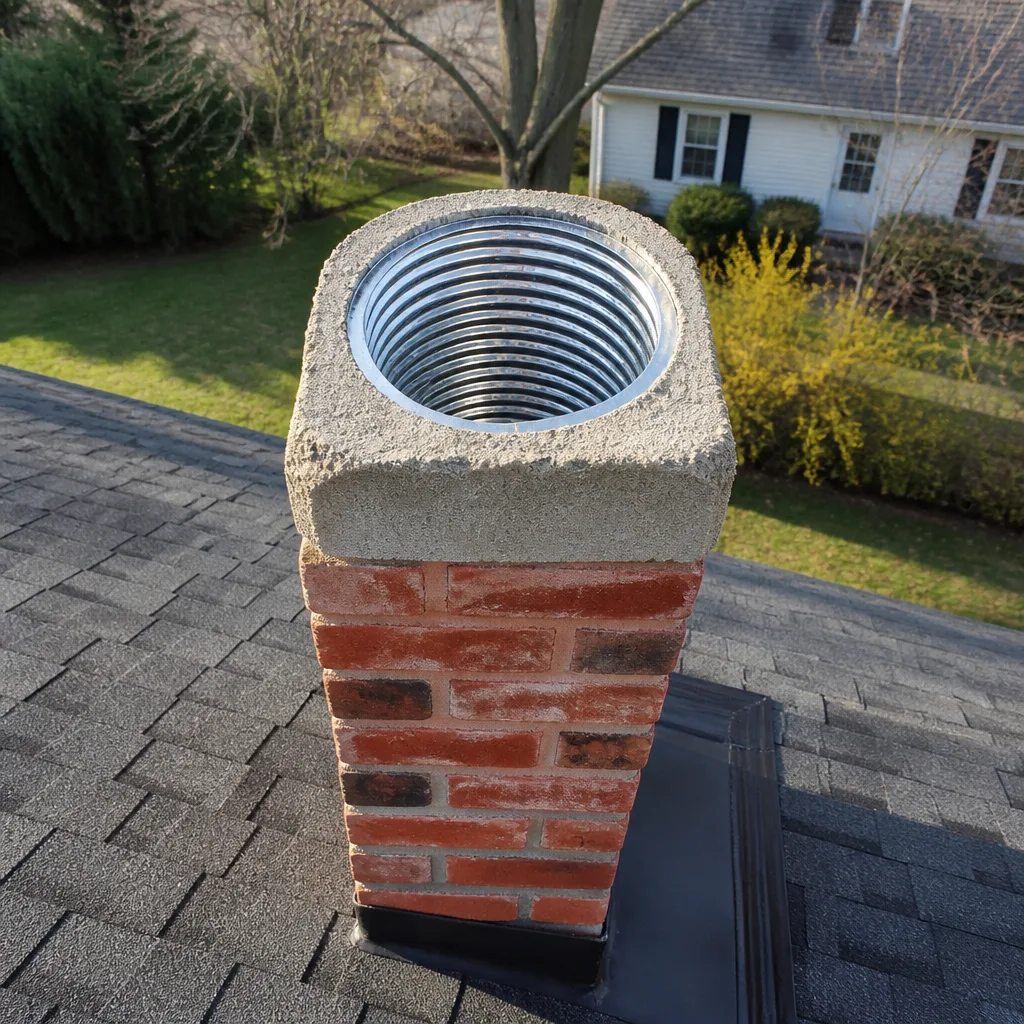 Flue relining
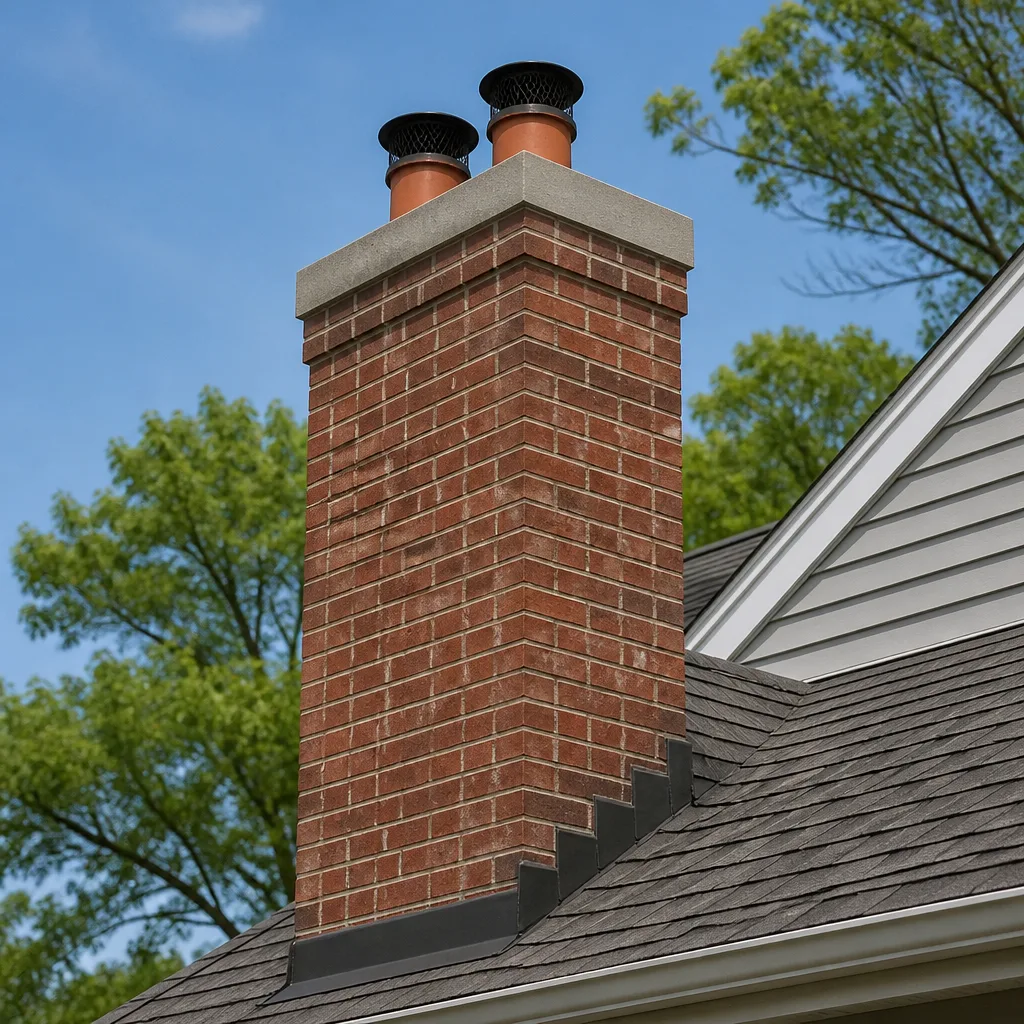 Masonry repair
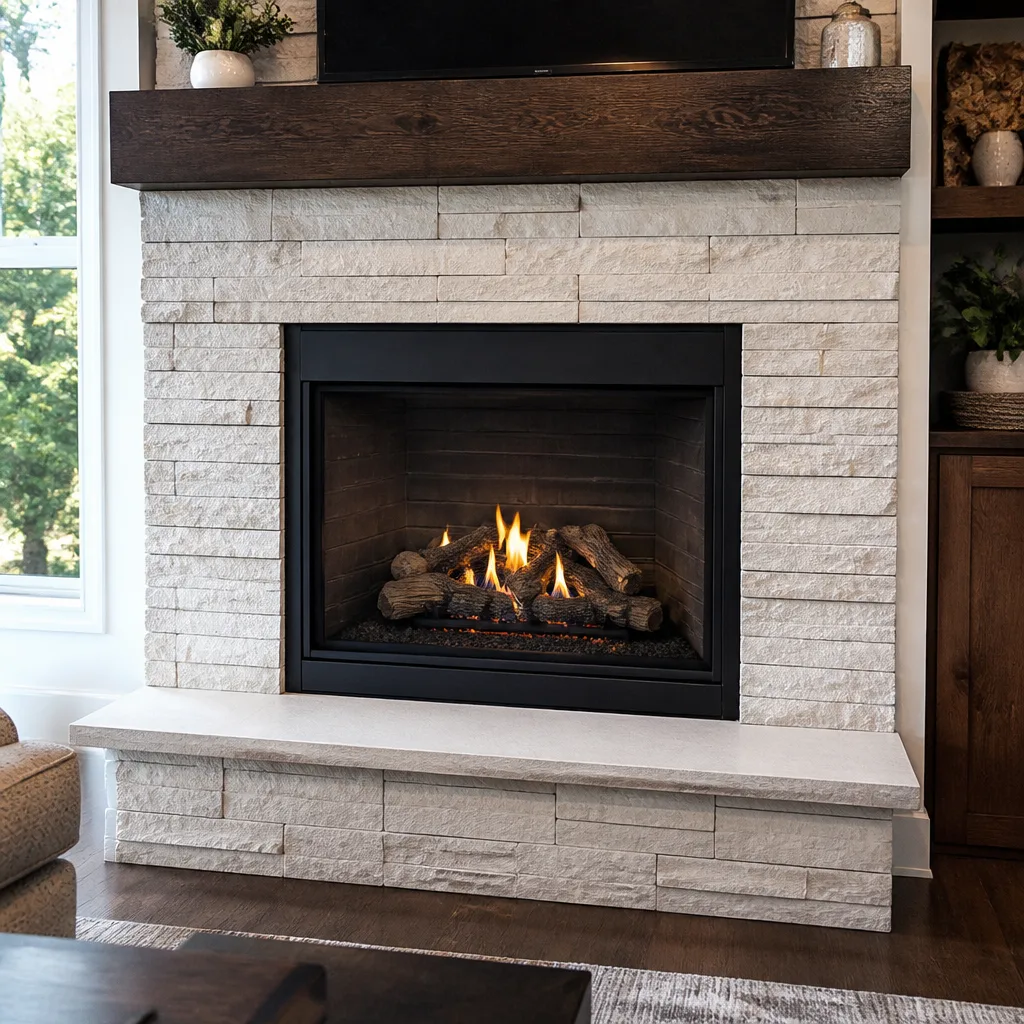 Gas fireplace service
Level 1 sweep and inspection to the NFPA 211 annual standard - flue, crown, cap, and flashing checked and photographed
Chimney sweep logs do not sweep chimneys. They loosen some creosote - which then falls where a brush and vacuum still have to collect it.
Chimney Cleaning Cost Breakdown: The Garden Grove Homeowner’s Reference for 2026
A $79 chimney cleaning and a $299 chimney cleaning in Garden Grove are not the same service with different markups. They are categorically different procedures. One is a brush run down a flue with a shop vac at the firebox. The other is a full-system evaluation with a rotary brush system, a video camera, a written report, and a technician on the roof looking at your cap and crown. Fire investigators have a term for what the first kind leaves behind: inadequate maintenance. This guide breaks down every line item behind a 2026 Garden Grove chimney cleaning quote, shows you what a budget crew skips, and explains how to read an estimate for scope rather than just price.
Quick Answer
A standard chimney sweeping in Garden Grove in 2026 typically runs $175 to $350, depending on flue length, access, and level of creosote. A full professional service that includes a rotary brush sweep, video inspection, firebox vacuuming, and a written report usually lands between $250 and $400. Level 2 inspections with camera work run $200 to $450, minor repairs $150 to $800, and a full liner replacement $3,000 to $7,500. The written estimate always sets the final price.
Styles & brands we work with
- Sweep & inspection
- Caps & crowns
- Flue relining
- Masonry repair
- Gas fireplace service
Table of Contents
- Why Garden Grove Chimney Quotes Vary by a Factor of Four
- What a Full Professional Sweep Actually Includes
- Why Liner Inspections Cost More in Garden Grove (And Why Skipping Them Is a False Economy)
- Legitimate Add-Ons vs. Upsells You Don’t Need
- 2026 Garden Grove Price Ranges by Service Type
- Level 1, Level 2, and Level 3: What Each Inspection Actually Is
- How to Read a Chimney Estimate for Scope, Not Just Price
- How a Professional Sweep Works, Step by Step
Why Garden Grove Chimney Quotes Vary by a Factor of Four
When you call around for chimney cleaning in Garden Grove, you’ll get quotes ranging from under $100 to nearly $400. The instinct is to assume the low number is the “real” price and everything higher is padding. That instinct is almost always wrong. The spread is wide because the scopes are different.
A $79 quote is typically what you get from a multi-trade handyman service that added chimney work to its menu, or a coupon-driven crew that needs to get in and out quickly. That quote usually covers a flue brush pass and nothing else. No camera. No roof check. No written report. No look at the firebox walls, the smoke chamber, or the damper. If you have a wood-burning fireplace that has seen a few seasons, that’s not maintenance. That’s a surface wipe.
A $299 quote from a chimney-specialty company covers a fundamentally bigger job. The technician is on the roof checking the cap and crown. There’s a rotary brush system that actually scours glaze and stage 2 creosote off the flue walls. There’s a video camera dropped down to look at the liner joints. There’s a HEPA vacuum on the firebox. And there’s a written report in your hand at the end that tells you the condition of every component.
Garden Grove’s housing stock makes this distinction more important than it might be in a newer city. Many homes here were built in the 1950s through the 1970s, which means clay-tile liners that have had decades of heating cycles. Some of those tiles have hairline cracks that only a camera will find. A quick brush pass won’t see them. A video inspection will.
The reason this matters is simple: the consequences of an inadequate sweep aren’t a slightly dirtier flue. They’re a creosote-loaded flue that can ignite, and a cracked liner that can let combustion gases into the living space. When we talk to homeowners about our chimney sweep, we lead with what the sweep actually covers, not the price. The price makes sense once you know what’s in the box.
What a Full Professional Sweep Actually Includes
The honest way to compare chimney cleaning quotes is to compare line items. Here’s what a complete professional sweep covers, and what a budget-tier crew typically leaves out.
What’s included in a full professional sweep
- Pre-work walkthrough and protection. Drop cloths on the floor, a plastic seal over the fireplace opening, a ladder or roof access check, and a look at the firebox before anything is touched. This step alone tells the technician what to expect.
- Rotary brush system pass. A powered rotary brush sized to the flue is run the full length, top to bottom, scouring creosote from the flue walls. This handles glaze and stage 2 creosote that a hand brush can’t reliably remove.
- Video inspection of the flue. A camera on a flexible rod goes down the flue liner to check tile joints, look for cracks and gaps, and verify there’s no offset or damage a brush would have missed. This is where most real problems surface.
- Firebox and smoke chamber cleaning. The firebox walls, damper, and smoke shelf are brushed and vacuumed. The smoke chamber above the damper is often the dirtiest part of the system and gets overlooked by budget crews.
- HEPA vacuum of the firebox and hearth area. A proper vacuum traps fine ash instead of blowing it into your living room. This is one of the clearest tells between a real sweep and a shortcut.
- Roof-level check: cap, crown, flashing. The technician gets on the roof (or uses a camera on a pole) to look at the cap for rust, missing screens, or bird nests, and at the crown for cracks. These are the two most common entry points for water.
- Written report. A documented summary of what was found, what was cleaned, and what needs attention. This is your record and your basis for any repair decision.
What a budget-tier crew typically skips
- Video inspection of the flue liner (no camera on the truck)
- Roof-level cap and crown check
- Smoke chamber cleaning
- HEPA vacuum (replaced with a shop vac that stirs up dust)
- Written report (verbal summary only)
That’s roughly half the procedure missing at the low-price tier. The service you’re paying for isn’t the brush pass; it’s the inspection that goes with it. When we work on a Garden Grove home, we don’t hand off between the sweep and the inspection. One company handles the fireplace repair scope and the sweep, so nothing gets lost between two contractors who never talk to each other.
Why Liner Inspections Cost More in Garden Grove (And Why Skipping Them Is a False Economy)
Liner inspection adds roughly $75 to $150 to a sweep quote in Garden Grove, and some homeowners balk at it. Here’s why we recommend it anyway, and why a Garden Grove home in particular deserves the closer look.
Garden Grove sits in a seismically active region. That’s not a marketing pitch; it’s a fact about where we live. Clay-tile chimney liners are rigid, and they don’t flex. Over years of small tremors, heating and cooling cycles, and the settling that comes with older housing stock, tile joints can crack or shift. A 1950s brick chimney with a clay liner is exactly the kind of system where a camera finds something a brush never could: a hairline crack, an offset tile, a gap at a joint.
A cracked liner isn’t a cosmetic issue. It’s a carbon monoxide pathway. Combustion gases that should go up the flue can leak into the chimney cavity and from there into the house. And if stage 2 creosote has built up behind a cracked tile, the flue is also a fire risk. Neither of those is something a homeowner can see from the hearth.
The false economy is this: skipping the $100 liner inspection saves a small amount up front, and then a homeowner books a routine sweep two or three seasons later and learns the flue needs relining at several thousand dollars. The liner didn’t decide to fail that day. It had been failing for years, and no one looked.
In our experience, most Garden Grove chimneys with sound clay tiles don’t need full relining. They need monitoring, and sometimes a targeted repair at the joint that’s actually cracked. That’s the point of the inspection: to tell you which situation you’re in. If the liner is sound, we say so. If there’s a crack that heat-cured material like HeatShield can restore, we talk about that instead of a full replacement. If the liner is beyond restoration, you get the full-relining discussion with camera evidence in hand.
Nothing gets recommended without a photo or video you can see for yourself. That’s the standard we hold to when we’re standing in a Garden Grove living room explaining what the camera found.
Legitimate Add-Ons vs. Upsells You Don’t Need
Once a sweep quote turns into a repair conversation, the estimate grows fast. Some of that growth is legitimate. Some isn’t. Here’s how to sort it out.
Add-ons that are genuinely necessary
- Chimney cap replacement. A missing, rusted, or bird-nested cap is a direct water and animal entry point. A new cap is one of the highest-value, lowest-cost items on a chimney. It runs $150 to $450 installed and prevents far more expensive water damage.
- Crown repair or crown coat. The crown is the concrete or mortar top of the chimney that sheds water away from the flue. If it’s cracked, water runs into the brickwork and down into the structure. A crown coat or repair typically runs $250 to $700 and buys years of protection.
- Minor firebox or damper repair. A damper that won’t close wastes heat and lets conditioned air escape. Firebox mortar that’s cracked needs repointing before it worsens. These are real repairs, not nice-to-haves.
- Targeted liner repair when the camera finds damage. HeatShield restoration for a liner that’s still structurally sound with repair, or relining when it isn’t.
Upsells that rarely are
- Complete liner replacement on sound clay tiles. If the camera shows intact tiles with clean joints, there’s no reason to replace the liner. A technician recommending full relining without camera evidence of damage is a red flag.
- Full flue rebuild for a small crown crack. Crowns fail at the surface more often than they fail structurally. Repair first; rebuild only with evidence.
- “Chemical cleaning” beyond a standard rotary brush pass. A proper rotary brush system handles most creosote. Unless you have stage 3 glazed creosote that the brush can’t touch, an extra chemical treatment is usually duplicating the sweep you already paid for.
Our cap and crown work exists specifically because these are the two most common entry points for water damage. When we install a cap or coat a crown, we’re addressing the source rather than patching downstream symptoms. That’s why we frame our chimney repair around the camera findings, and why we say plainly when work can safely wait.
2026 Garden Grove Price Ranges by Service Type
Here’s the pricing landscape for Garden Grove chimney services in 2026. These are typical estimated ranges for residential work; the written estimate you receive after the on-site evaluation sets the final price.
| Service | Typical Range | What Drives the Price |
|---|---|---|
| Standard chimney sweep (wood-burning, standard 1-2 story) | $175 – $350 | Flue length, creosote level, access difficulty |
| Sweep + video inspection + written report | $250 – $400 | Camera work, roof check, documentation |
| Gas fireplace service and inspection | $150 – $300 | Venting configuration, log inspection |
| Level 1 inspection (routine, visual) | $100 – $250 | Accessible components only |
| Level 2 inspection (camera in flue) | $200 – $450 | Camera equipment, roof access, report |
| Level 3 inspection (diagnostic) | $400 – $1,200+ | Access panels, wall work, extensive diagnostics |
| Chimney cap installed | $150 – $450 | Cap type, chimney size, roof difficulty |
| Crown coat or crown repair | $250 – $700 | Extent of cracking, crown size, access |
| Minor firebox / damper repair | $150 – $800 | Scope of repair, materials needed |
| HeatShield liner restoration | $1,200 – $3,000 | Flue length, severity of damage |
| Full liner replacement (DuraFlex or equivalent) | $3,000 – $7,500 | Flue length, liner size, insulation, chimney configuration |
What drives Garden Grove pricing specifically
Two things push Garden Grove work toward the middle or higher end of these ranges. First, the age of the housing stock means more systems where the camera finds something worth inspecting closely. Second, roof access on some of the older, steeper-pitched or added-on homes takes longer than on a modern tract house. A two-story chimney with an obstructed roofline is more work than a ranch-style single-story flue, and the estimate reflects it.
Mild winters are another factor. Garden Grove’s climate means homeowners tend to use their fireplaces less intensely than in colder parts of the country, which usually means less creosote loading per season. That’s good news for most homes. It also means the liner inspection is doing more of the work in detecting problems, because the creosote layer isn’t as obvious a warning sign as it is in cold climates.
We use professional-grade materials on the repairs that require them. DuraFlex liner systems and HeatShield restoration are the standard we reach for when a Garden Grove liner needs work. That’s not a branding play; it’s what’s specified in chimney work where the material has to survive the flue environment for a very long time.
Level 1, Level 2, and Level 3: What Each Inspection Actually Is
The three inspection levels are a standard framework in the chimney trade, and understanding them answers most “why does the inspection cost more” questions.
Level 1 inspection
A Level 1 is a visual walkthrough of the readily accessible parts of the chimney and fireplace. The technician looks at the firebox, damper, smoke chamber (as far as can be seen), and flue from the bottom. This is typically included with a routine sweep. It’s appropriate when the fireplace has been in continuous service without any changes to the system. Price range: $100 to $250 if booked on its own, often bundled into a standard sweep.
Level 2 inspection
A Level 2 adds a video camera scan of the full flue liner, and it includes the roof-level check of the cap and crown. This is the one recommended after a chimney fire, after an earthquake, when the property changes hands, or when a new appliance is being installed. It’s the inspection that finds cracks, offsets, and gaps in the liner. Price range: $200 to $450.
Given Garden Grove’s seismic activity and older housing, Level 2 comes up often. When a homeowner asks whether their liner is fine, a Level 2 is the only way to answer honestly.
Level 3 inspection
A Level 3 is a diagnostic inspection triggered when Levels 1 and 2 found something serious and the technician needs to go further. It can involve removing parts of the chimney structure or opening access panels. It’s not routine, and it’s not something to book speculatively. Price range: $400 to $1,200 or more depending on what has to be opened up.
The inspection your chimney needs depends on its history. Our technicians have up to 12 years of experience evaluating these systems, and we’ll tell you which level is appropriate rather than upselling you into the highest one on the menu. Inspection, cleaning, and repair all fall under one company here.
How to Read a Chimney Estimate for Scope, Not Just Price
When a chimney estimate lands in your hand, the natural instinct is to look for the bottom-line number. That’s the least useful thing on the page. Here’s how to read an estimate like someone who knows what they’re looking at.
- Check whether the sweep scope is itemized or bundled. A good estimate lists the sweep, the camera inspection, the firebox cleaning, and the written report as separate line items. A single “chimney service” line is a sign the scope is thin.
- Look for the inspection level named. “Level 2 inspection with video” tells you exactly what you’re getting. “Full inspection” tells you nothing. If the level isn’t named, ask.
- Read the repair recommendations against the findings. A cap replacement should be tied to a cap that’s rusted, missing, or damaged. A lining replacement should be tied to camera evidence of a failed liner. If the findings don’t match the recommended work, ask why.
- Check whether the estimate separates “needs now” from “monitor.” A chimney-specialty company will tell you which repairs are urgent and which can wait a season. If everything is flagged as urgent, get a second opinion.
- Look at the materials named. For liner work, the estimate should specify the liner system: DuraFlex, HeatShield restoration, or an equivalent professional-grade material. Generic “new liner” language with no spec is worth questioning.
- Confirm what’s included in the quoted price. Is the camera inspection included, or billed separately? Is the roof check part of the sweep, or an add-on? Ask before you sign.
- Note whether the estimate can be reviewed before work begins. Nothing should be scheduled until you’ve had a chance to read the estimate and ask questions.
The core discipline here is asking one question: what’s the scope behind this number? If you can answer that for every quote you receive, you can compare them honestly, even when the numbers are far apart.
How a Professional Sweep Works, Step by Step
Understanding what a sweep actually looks like on the job answers most of the “why does it cost what it costs” questions. Here’s the process.
- Arrival and setup. Drop cloths are laid out, the fireplace opening is sealed with a plastic tarp, and the work area is protected. The technician checks the firebox and damper before any tools come out.
- Roof access and inspection. The technician goes to the roof to remove the cap (if removable) and get a look at the top of the flue and the crown. This is where the cap and crown conversation usually starts.
- Rotary brush sweep. The rotary brush system is run down the flue from the top, driven by a powered rotary head that scrubs the creosote from the walls as it turns. The brush is sized to the flue; too small and it misses the walls, too large and it damages the liner.
- Flue camera inspection. Once the sweep is done, a camera goes down to verify the flue walls are clean and look at the liner joints, cracks, and alignment. Findings are noted and photographed.
- Firebox and smoke chamber cleaning. The firebox, damper, and smoke shelf are brushed and vacuumed. The smoke chamber gets attention here because it accumulates creosote and ash out of sight.
- HEPA vacuum finish. The firebox and hearth are vacuumed with a HEPA unit that traps fine ash. The tarp comes down when the vacuum is done, not before.
- Report and review. The technician walks you through the written report: what was cleaned, what was found, what’s recommended, and what can wait. If repairs are needed, the estimate comes from this report.
None of this involves the homeowner climbing onto the roof or opening up the flue. We’d rather you didn’t. A chimney has a roof, a flue, a liner, a firebox, a damper, and a smoke chamber, and every one of them can hide a problem the others don’t show. That’s why a specialist is worth the price: the camera goes where no one can from the hearth.
Garden Grove homeowners with wood-burning fireplaces should expect a sweep when the creosote layer reaches the point where it can ignite. As a rough rule, that’s about a quarter inch of buildup on the flue walls, which for most homes is roughly once per year of regular burning. Light use can stretch that to two seasons. Gas fireplaces need annual inspection of the venting and logs but not the same creosote sweeping.
Common Mistakes to Avoid
- Choosing the lowest quote without knowing the scope. The $79 sweep isn’t a cheaper version of the $299 sweep; it’s a different procedure. Ask what’s included before you compare numbers, and if the answer is vague, move on.
- Skipping the liner inspection to save $100. A camera inspection is the only way to find a cracked or offset liner. Skipping it is how Garden Grove homeowners end up relining a chimney that could have been repaired years earlier.
- Approving full liner replacement without seeing the camera evidence. If the technician recommends relining, ask to see the photo or video of the damaged liner. Sound clay tiles don’t need replacing. Cracked ones do, and you should see the crack yourself.
- Ignoring a cracked crown until the next rainy season. The crown sheds water off the chimney top. A crack that costs $300 to repair can, if left through a winter, trigger water damage inside the brickwork and down into the ceiling below. Catch it at the inspection.
- Letting a multi-trade company do the chimney “on the side.” A roofer who also does chimneys, or an HVAC tech who added sweeps, is working down a checklist from a different trade. Chimney-only work is the only way the sweep, the camera, and the repair are all done by someone whose entire job is the chimney.
- Never inspecting a gas fireplace. Gas systems don’t build creosote like wood, but the venting, logs, and connections still need annual inspection. A gas fireplace that hasn’t been checked is a maintenance item, not a “no maintenance” appliance.
- Assuming a written report isn’t part of the deal. If the sweep doesn’t leave you with documentation, you have no record of the chimney’s condition and no basis for planning the next repair. Ask for the report in the quote.
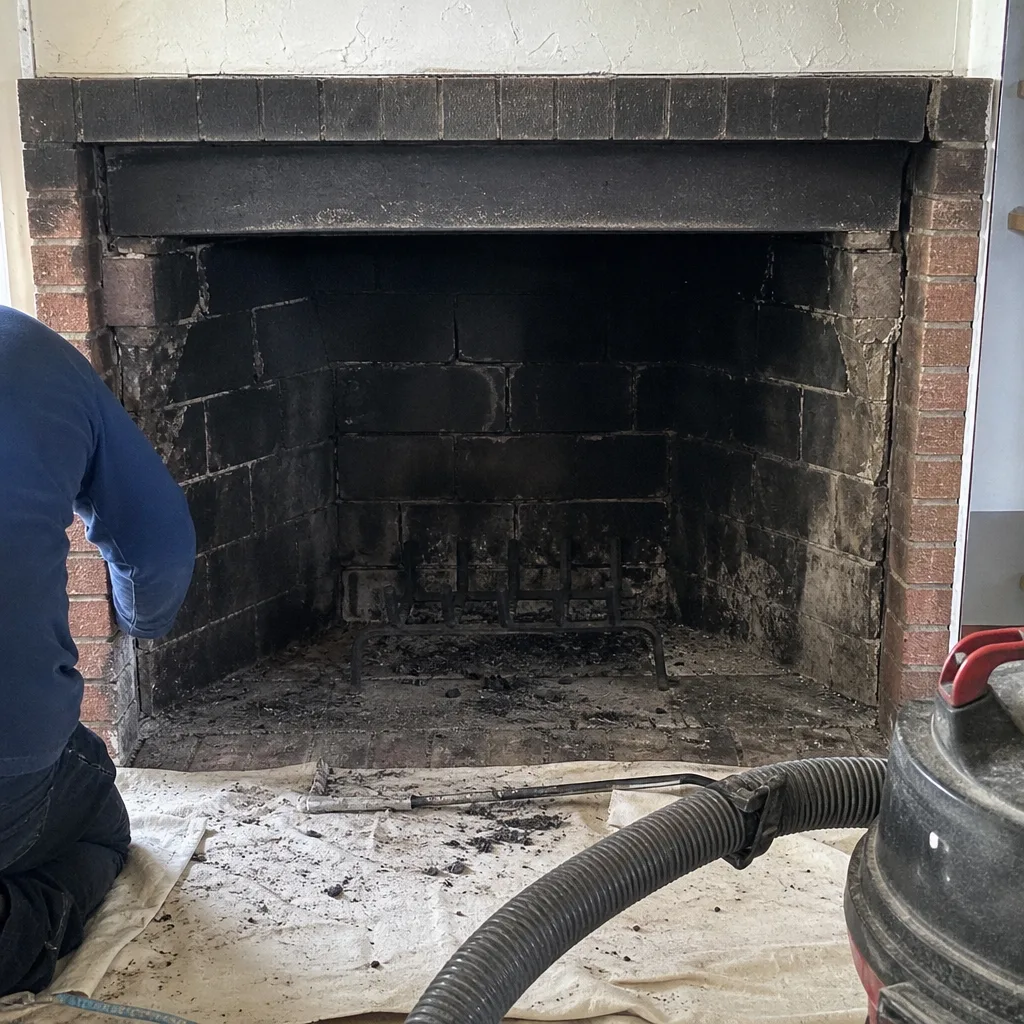
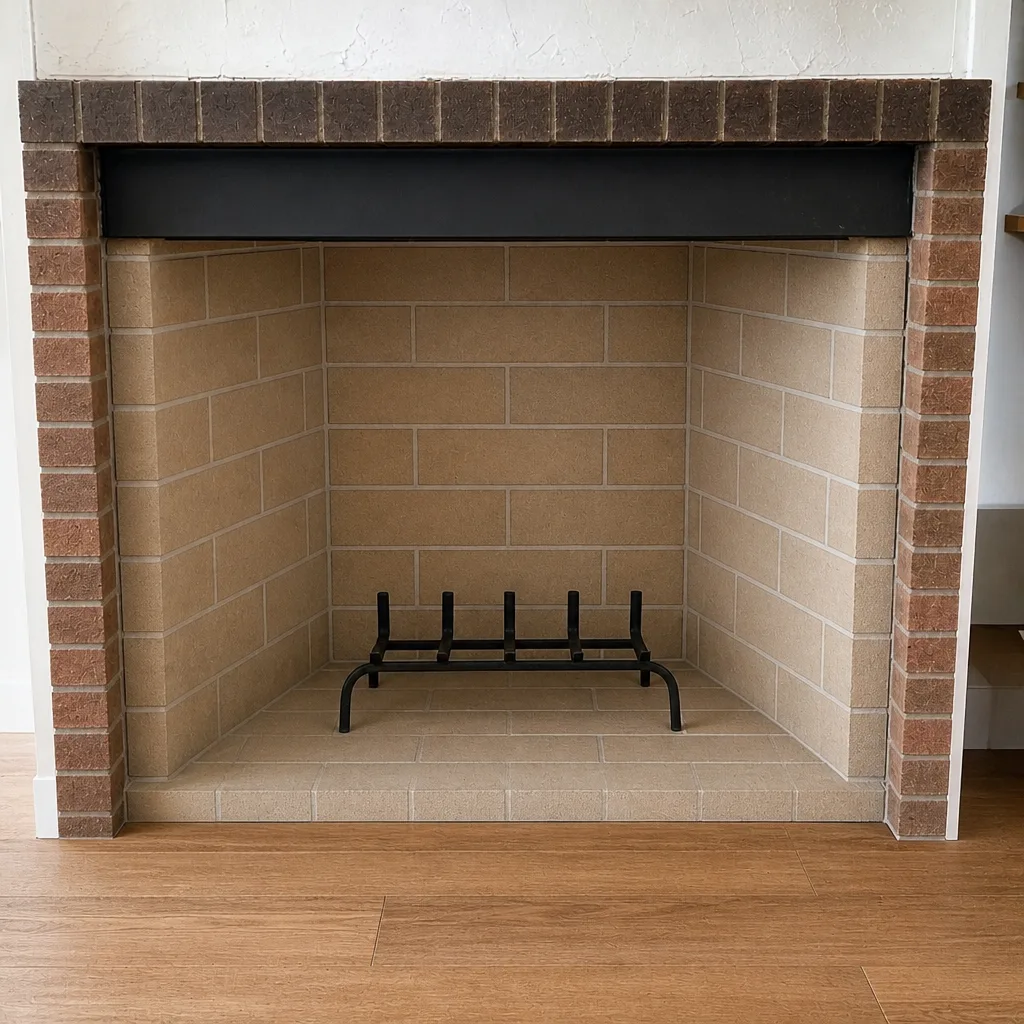
See the difference
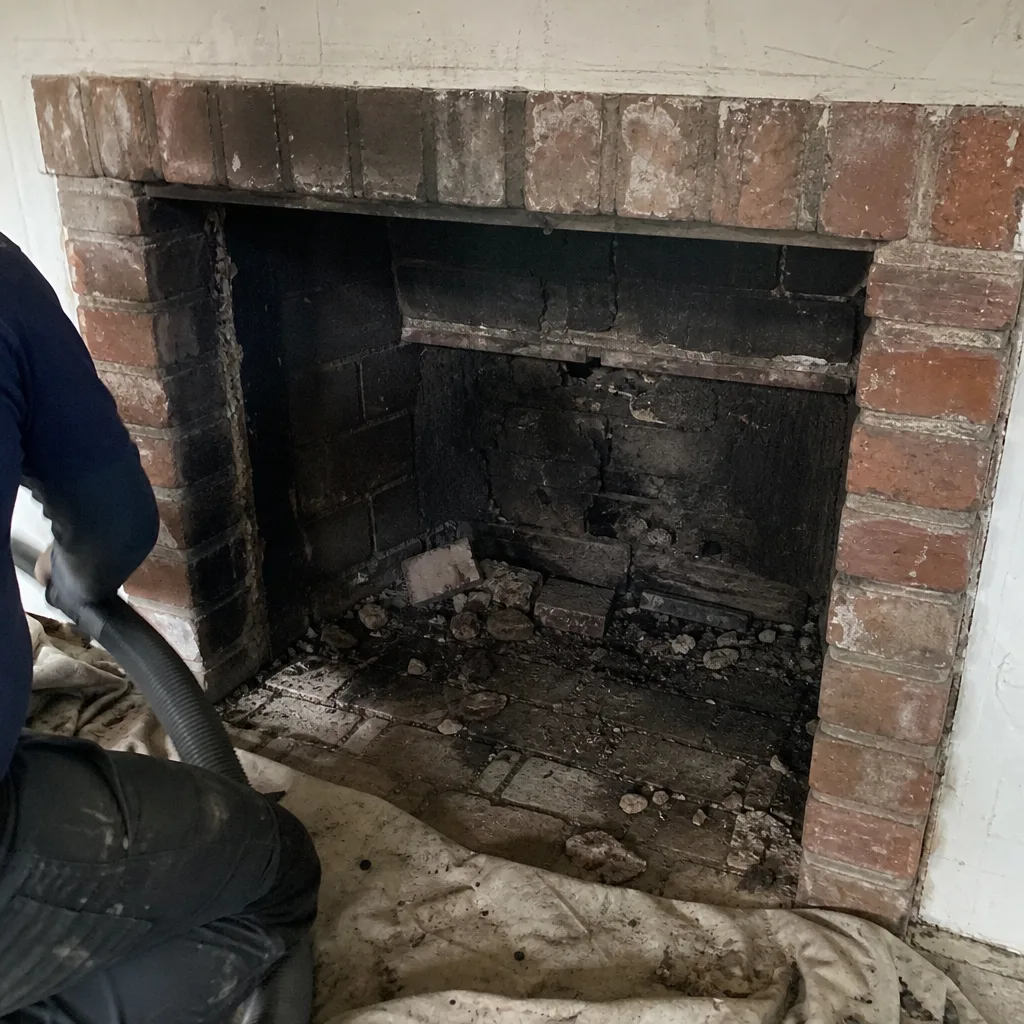 Before
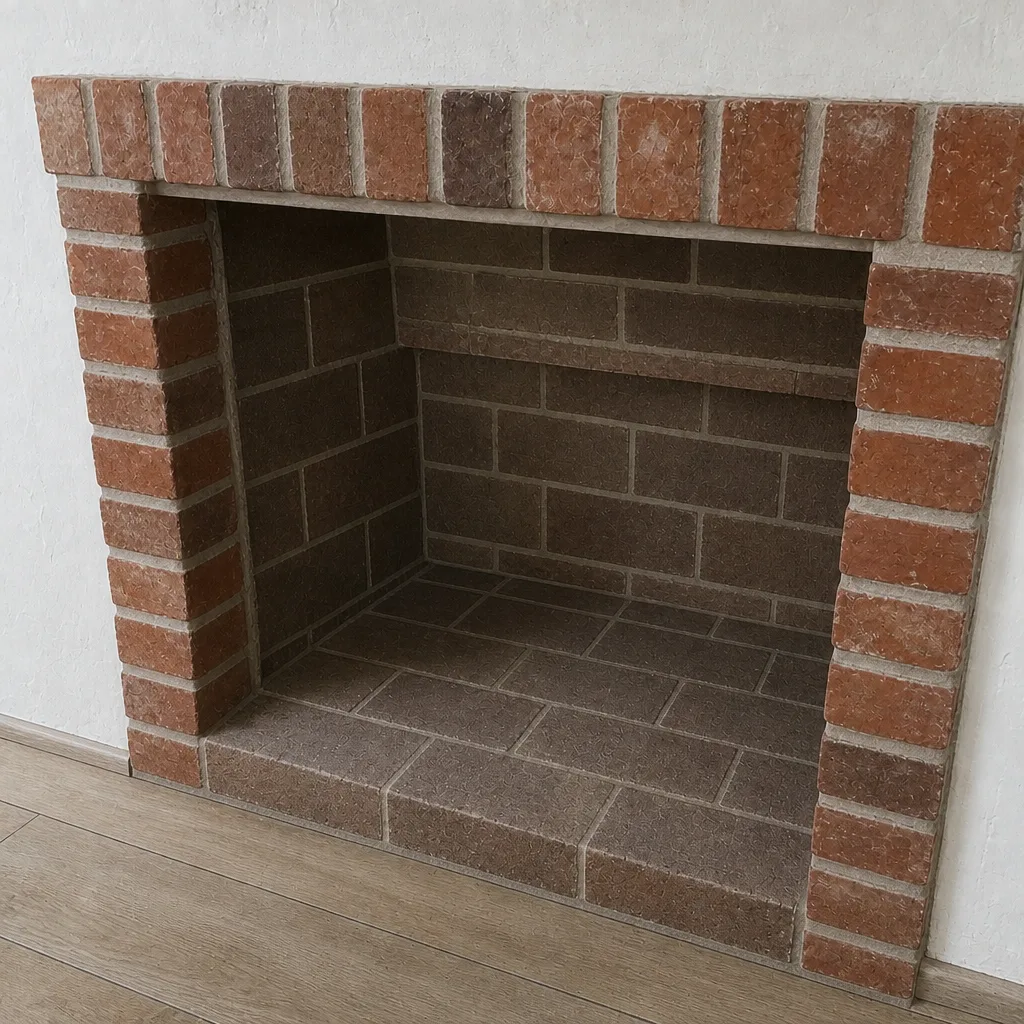 After
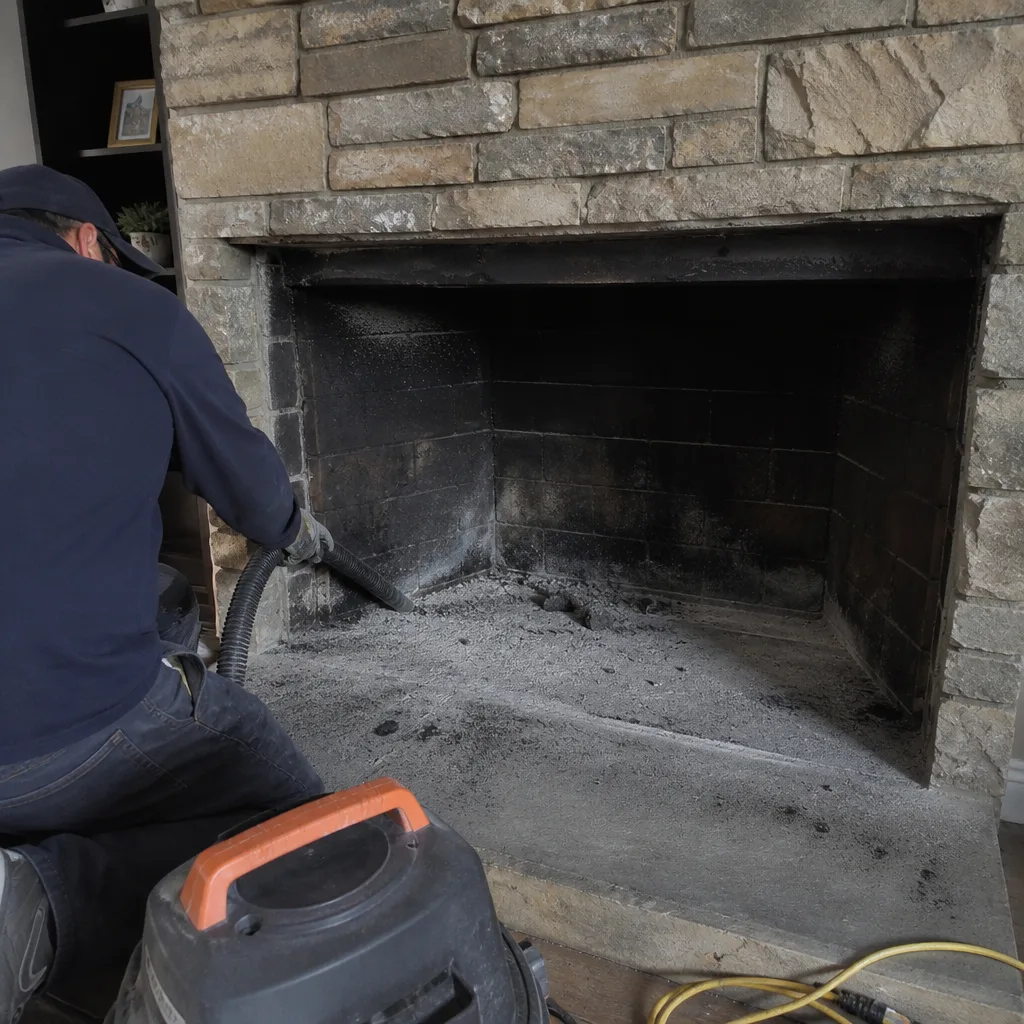 Before
 After
 Before
 After
When to Call a Professional
Some chimney issues are obvious and some are silent, and the silent ones are why a professional matters. Call a chimney professional if you smell a strong creosote or smoky odor even when the fireplace isn’t in use. Call after any chimney fire, even a small one, because the heat from a fire can crack liner tiles that looked fine the day before. Call after a noticeable earthquake, since Garden Grove sits in active seismic territory and liners may shift. Call if the damper won’t seal, if smoke rolls into the room when you light a fire, or if you see cracked or degraded mortar around the firebox or crown. And call if you can’t remember the last time the chimney was inspected, because the camera will answer the question you can’t.
Garden Grove Chimney Sweep Pros offers free estimates in Garden Grove. The estimate is set per job against a written scope, and it’s yours to review before any work is booked. If the camera finds something, you see it yourself. If the system is sound, we tell you that too. Call (833) 629-1431 to book a sweep or inspection.
Frequently Asked Questions
A standard chimney sweep in Garden Grove in 2026 typically runs $175 to $350, and a fuller service including video inspection, firebox vacuuming, and a written report usually runs $250 to $400. The written estimate you receive after the on-site evaluation sets the final price. Call (833) 629-1431 for an exact quote; estimates are free.
Because it’s a different scope of work, not a discount on the same work. A $79 sweep usually covers a flue brush pass only, without a camera inspection, roof check, smoke chamber cleaning, HEPA vacuum, or written report. The professional quote reflects the full procedure, and the missing pieces are what matter most for fire safety.
Only if the camera inspection shows damage that can’t be repaired. Most clay-tile liners in Garden Grove homes are sound and just need monitoring. A cracked or offset liner needs attention, and HeatShield restoration can sometimes extend a liner’s life without full replacement. Nothing should be recommended without camera evidence you can see.
About once per year of regular wood burning, or roughly when creosote reaches a quarter inch on the flue walls. Light use can stretch that to two seasons. Gas fireplaces need an annual inspection of the venting and logs but not creosote sweeping. An inspection will tell you exactly where your chimney stands.
Creosote continues to accumulate on the flue walls, and at a certain level it can ignite. A chimney fire can crack the liner and spread into the structure. Separately, a damaged liner lets carbon monoxide and combustion gases into the home. Skipping a sweep doesn’t create a fire every time, but it removes the layer of protection a clean flue provides. Call (833) 629-1431 to book before next season; estimates are free.
You should never climb onto a roof to inspect a chimney yourself; it’s the most dangerous part of the job and the part where amateurs get hurt. The professional inspection happens from the roof, with training and equipment, and the camera inspection happens from inside the flue. Call (833) 629-1431 to schedule a Garden Grove inspection.
The Bottom Line
The chimney cleaning quotes you get in Garden Grove this year will range from well under $100 to nearly $400, and the honest reason for the spread is scope. The low quote is a brush pass. The professional quote is a brush pass plus a roof check, a camera inspection, a smoke chamber cleaning, a HEPA vacuum, and a written report. That’s not a markup gap; it’s a different job. The parts a budget crew skips are the parts that catch the liner crack, the rusted cap, and the cracked crown before they become a fire risk or a several-thousand-dollar relining. Read each estimate for what’s inside it, ask for camera evidence on any repair recommendation, and make the call before the next burning season. That’s the whole discipline this guide is trying to teach.
Chimney cleaning, inspection, cap and crown work, fireplace repair, and chimney repair all run under one company here because a Garden Grove chimney is a single system and should be treated like one. The sweep, the camera, and the report are the evidence. The estimate follows the evidence. Nothing else is scheduled on a hunch.
We work on chimneys, only chimneys, so the specialist on your job isn’t splitting focus between the roof and the flue. Professional-grade materials like DuraFlex and HeatShield are what we use when a Garden Grove liner needs work. One company handles the sweep, the inspection, the repair, and the cap. No handoffs, no gaps.
Call (833) 629-1431 for a free estimate. We answer 24/7. Fast dispatch from 7am to 7pm, Sunday through Friday.
Written by the team at Garden Grove Chimney Sweep Pros.