
Last updated November 23, 2026
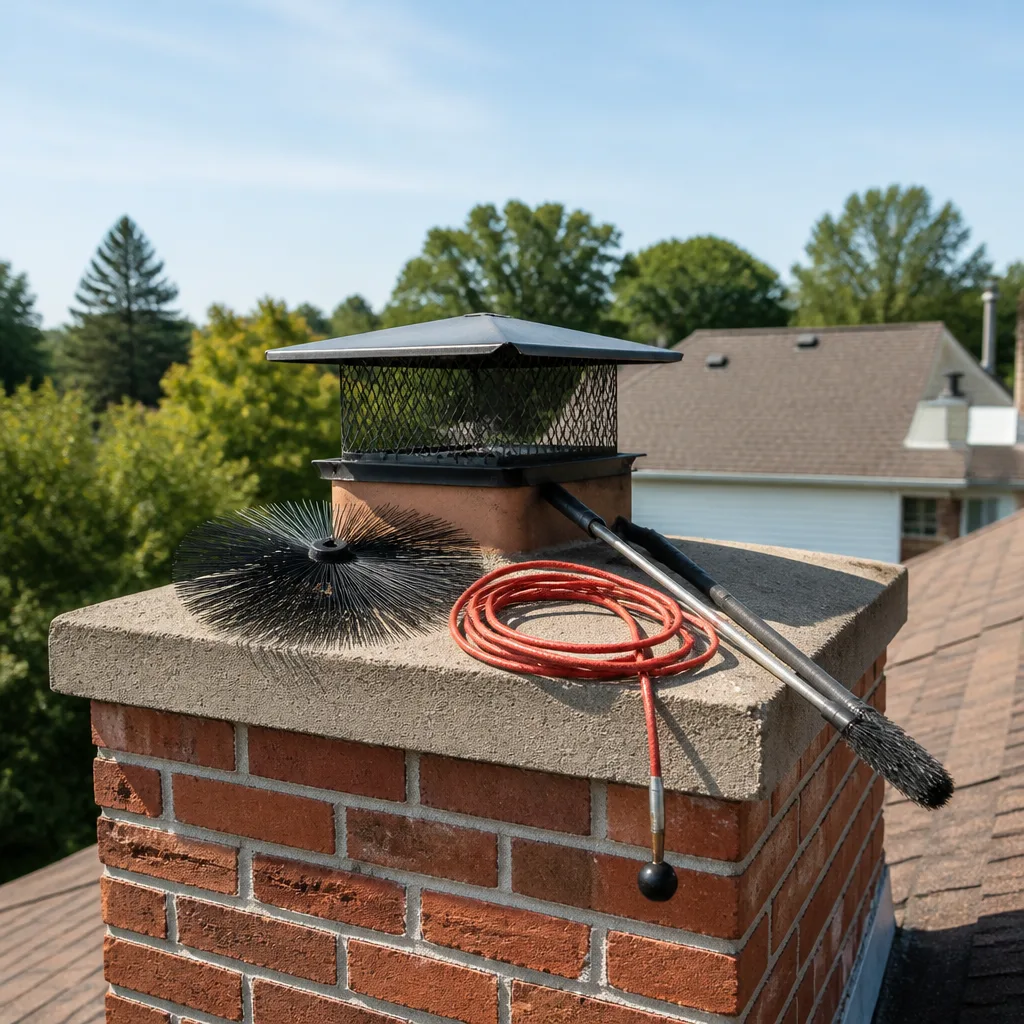 Sweep & inspection
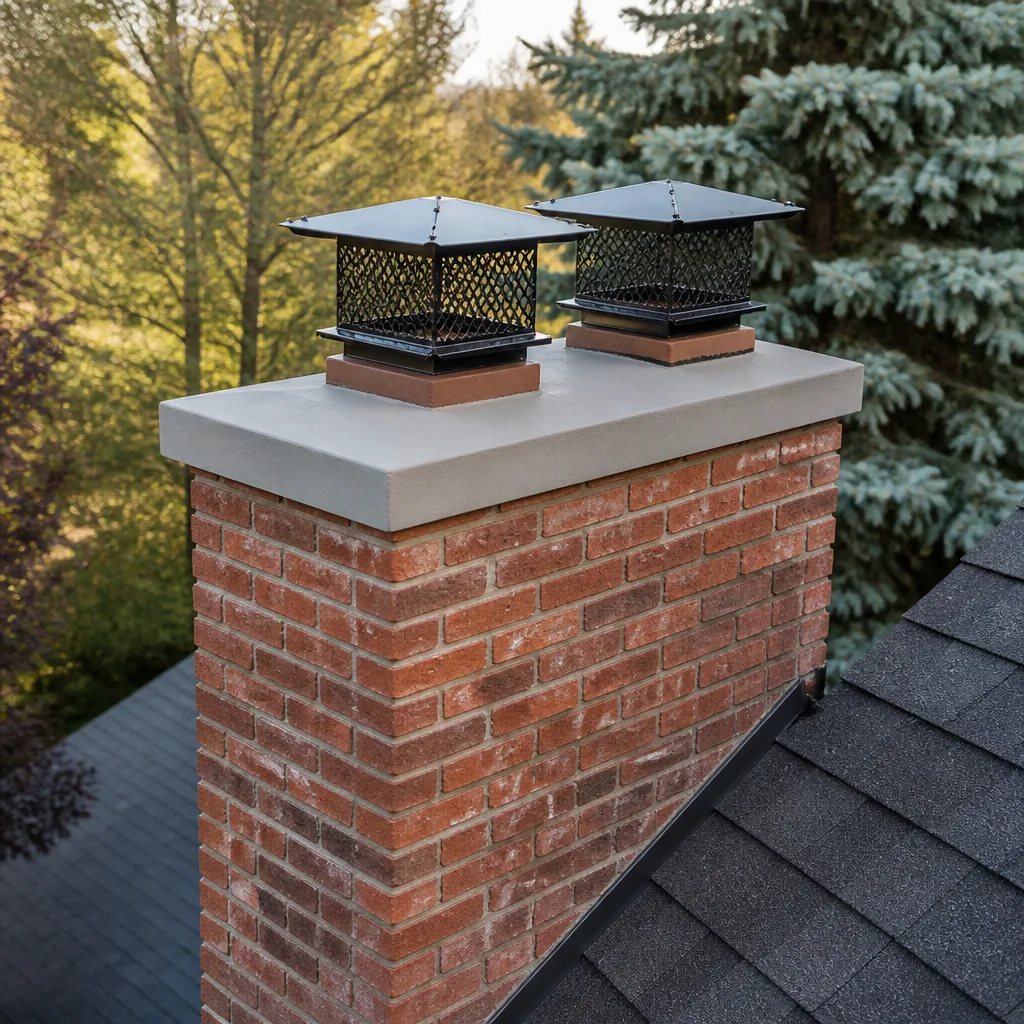 Caps & crowns
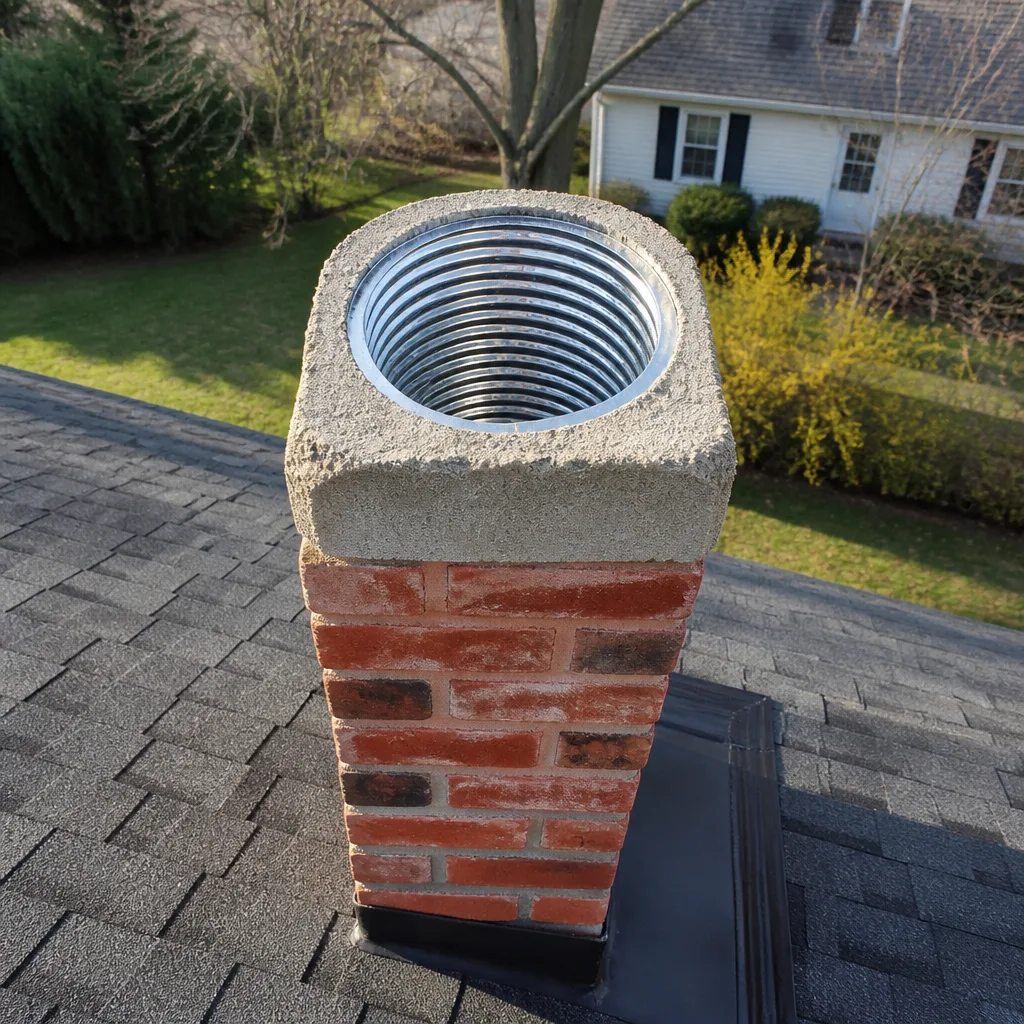 Flue relining
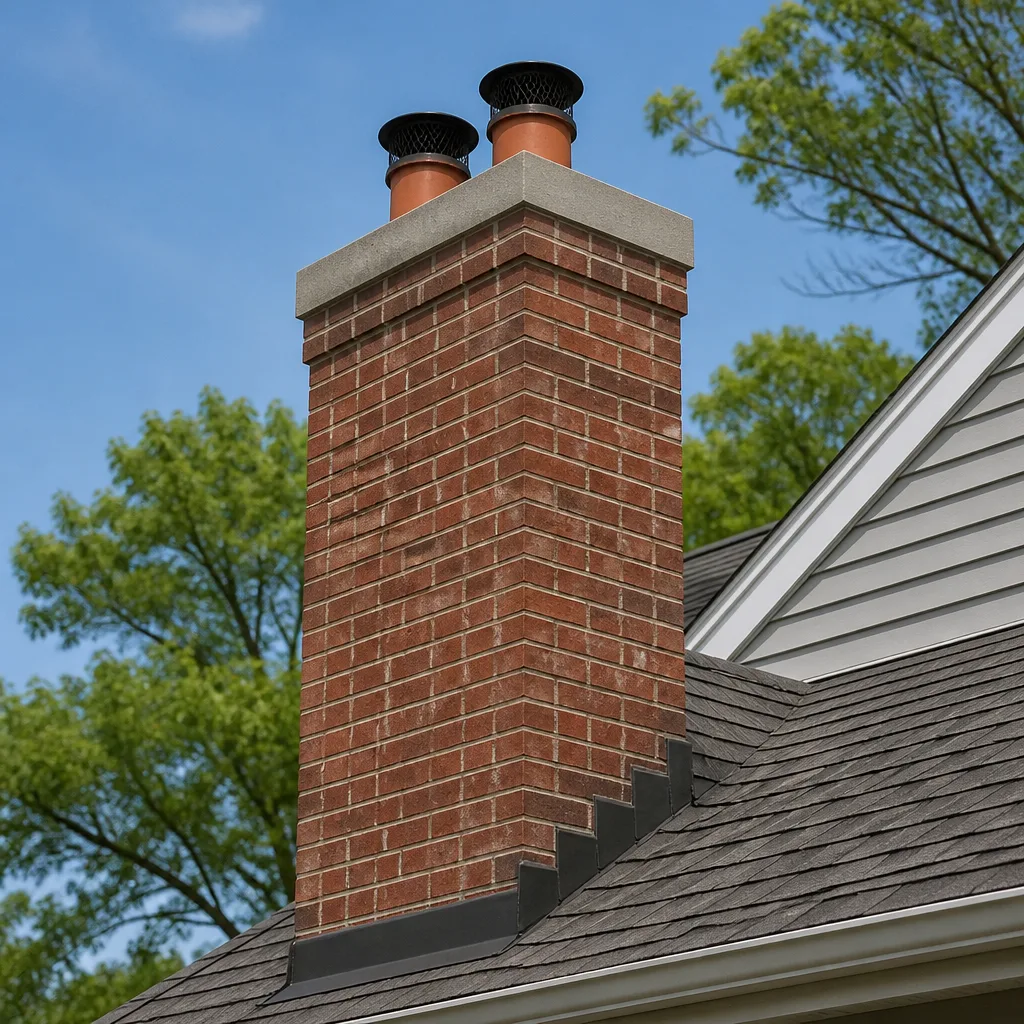 Masonry repair
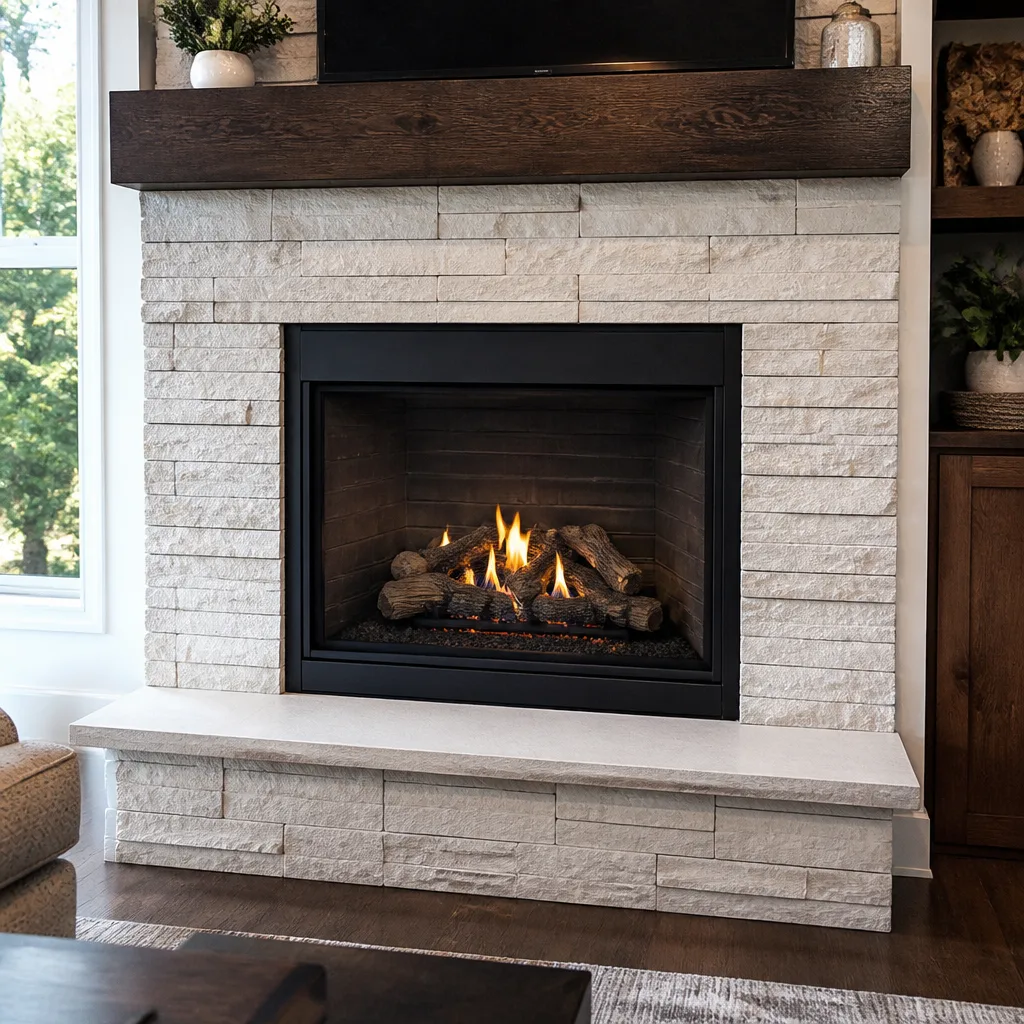 Gas fireplace service
Level 1 sweep and inspection to the NFPA 211 annual standard - flue, crown, cap, and flashing checked and photographed
Chimney sweep logs do not sweep chimneys. They loosen some creosote - which then falls where a brush and vacuum still have to collect it.
Chimney Cleaning Warning Signs: A Garden Grove Homeowner’s Reference Guide
A white powder stain on your chimney’s exterior isn’t a cosmetic issue – it’s efflorescence, and it means water is already moving through your masonry from the inside out, which is a structural problem in progress. Most chimney damage we’re called out to in Garden Grove starts this quietly. A faint smoke smell that shows up a day after you burned. A damper that feels a little loose. Brick faces flaking off on the sunny side of the stack. None of it looks urgent, so it gets postponed – and by the time it announces itself, you’re looking at liner replacement instead of a sweep. This guide explains the mechanism behind each warning sign, so you can judge how urgent a problem really is instead of guessing. Some signs mean book a sweep. A few mean stop burning until someone looks at it.
Quick Answer
The main chimney cleaning warning signs in Garden Grove are white staining or flaking brick on the exterior, smoke rolling back into the room when you light a fire, a smoky smell inside the house when the fireplace is cold, a damper that no longer seals, and visible creosote or soot at the firebox or flue. Any one of these is a reason to book an inspection before the next fire – and smoke backing into the living room or a strong chemical smell means stop burning now and have the chimney looked at.
Styles & brands we work with
- Sweep & inspection
- Caps & crowns
- Flue relining
- Masonry repair
- Gas fireplace service
Table of Contents
- White Staining on the Brick: What Efflorescence Actually Tells You
- The Campfire Smell Inside the House: Four Causes, Four Urgency Levels
- Spalling Brick on Sun-Exposed Chimneys: A Southern California Pattern
- Normal Draft Problems vs. Structural Draft Failure
- The Fireplace Smoke Rollout Test You Can Do Yourself
- Creosote Stages and What Each One Means for Safety
- Cap and Crown Problems: The Water Entry Points That Start It All
- How Often Should a Garden Grove Chimney Be Swept?
White Staining on the Brick: What Efflorescence Actually Tells You
Efflorescence is a white, chalky deposit that forms on masonry when water dissolves salts inside the brick or mortar and then evaporates at the surface, leaving the salts behind as a crust. The stain itself is harmless. What it proves is that moisture is traveling through the masonry – and in a chimney, that moisture is almost always getting in from above, through a failed crown or an uncapped flue, then working its way down through the structure.
Garden Grove chimneys often show this pattern on stucco-clad stacks, and the stucco changes how it reads. Hairline cracks in stucco let water in behind the cladding, where it can’t dry quickly. From the outside you may see only a faint bloom of white near the top. Behind the stucco, the brick and mortar are staying damp for long stretches, which softens mortar joints and eventually rusts the steel components inside the flue. By the time the white staining is obvious enough to notice from the driveway, the moisture has usually been at work for more than one rainy season.
Here’s how to read it:
- Light, powdery bloom that brushes off – early moisture migration. Get the crown and cap checked before the next wet season.
- Heavy crusting that returns after cleaning – an active water source, not a leftover. Water is still entering.
- White staining plus dark damp patches or crumbling mortar – the masonry is saturated and degrading. Have the full system inspected, not just the exterior.
Efflorescence is one of the few chimney signs with a clear mechanical cause, which makes it useful: it points you at the top of the chimney before you’ve seen anything inside. Crown repair and a properly fitted cap address the source directly, and that’s work we handle as part of chimney repair rather than as a separate job.
The Campfire Smell Inside the House: Four Causes, Four Urgency Levels
A woodsmoke smell in a room with no fire burning comes from air moving the wrong way through the chimney – down instead of up. What causes that reverse flow changes the urgency completely, and it’s worth working out which one you’re dealing with before you call.
- Damper seal failure (low urgency, easy fix). The damper is the metal plate above the firebox that closes off the flue when the fireplace is idle. If it doesn’t seat flush, cold outside air sinks down the flue and carries the smell of old smoke and soot with it. The smell is strongest on cool mornings and in rooms near the fireplace. Get it on the list for your next sweep – the damper gets checked and adjusted at the same visit.
- Pressure imbalance in the home (low to moderate). Kitchen exhaust fans, bathroom fans, and clothes dryers all pull air out of a house. That air has to come from somewhere, and a chimney is an easy path back in. If the smell appears mainly when the range hood is running, your house is depressurizing and pulling on the chimney. It’s a ventilation interaction rather than a chimney defect, but it’s worth confirming the flue is clear.
- Creosote off-gassing (moderate to high). Creosote is the tar-like residue left by wood smoke. In warm weather, or when the sun heats the outside of the stack, built-up creosote can release a sharp, acrid, almost chemical odor into the house through the flue. That smell means there’s a real accumulation in the flue, and it’s the point where a sweep stops being maintenance and becomes something you schedule promptly.
- Blocked or partially blocked flue (high). A nest, a collapsed liner section, or heavy soot buildup restricts the flue and pushes smoke back into the room. If the smell is joined by smoke rolling into the living room when you light a fire, stop using the fireplace until the flue has been inspected. A blocked flue is a carbon monoxide path as well as a smoke problem.
The single most useful detail you can give a chimney technician is when the smell appears – cold fireplace or active fire, warm weather or cool, fans on or off. In our experience that one answer narrows the cause faster than anything else.
Spalling Brick on Sun-Exposed Chimneys: A Southern California Pattern
Spalling is brick failure where the face of the brick flakes, peels, or pops off, sometimes in thin sheets and sometimes in chunks that land on the roof or the ground below. It looks similar everywhere, but the cause in Garden Grove is different from what you’ll read in most national chimney guides, which were written for cold climates.
Here, spalling usually isn’t driven by freezing water. It’s driven by sun and heat. Chimney stacks sit fully exposed with no shade and no roof overhang. The south- and west-facing sides absorb heat all afternoon and then cool off overnight, over and over. That daily thermal cycling, combined with UV exposure that slowly breaks down the surface of older brick and mortar, opens hairline cracks. Once water gets into those cracks, the same expansion-and-drying cycle happens inside the brick, and the face gives way. A chimney that’s been through decades of this without a cap or a maintained crown tends to fail on the sunny side first while the shaded side still looks fine.
What to look for from the ground:
- Thin flakes of brick face on the roof, in the gutter, or on the ground at the base of the chimney.
- Brick faces that look “peeled,” with a lighter, rougher surface underneath.
- Mortar joints that have receded between the bricks, letting each brick stand proud.
- Spalling concentrated on one side of the stack while the other side looks intact – the signature of sun-driven failure.
Spalling isn’t a cleaning issue, but it’s a sign you’ll want a professional to look at the whole assembly rather than just the flue. Bricks that are shedding their faces are weaker, and the mortar behind them is often at the same stage. Rebuilding the crown and repointing joints is straightforward when the damage is caught early; a stack that’s lost a significant amount of its face can need more extensive masonry work. Either way, a cap keeps the water out and slows the cycle dramatically. If the spalling is on the upper portion of the stack, take a look at our notes on chimney cap and crown work as the first step.
Normal Draft Problems vs. Structural Draft Failure
A chimney works because warm air rises. Light a fire, the air in the flue heats, and the pressure difference pulls smoke up and out. When that flow stalls, the question is whether the chimney is badly designed, temporarily affected by weather, or structurally compromised. Those three have very different answers.
The Garden Grove marine layer effect
Garden Grove sits far enough inland to get hot, clear afternoons most of the year, but it also sees seasonal morning marine layer – cool, heavy air that rolls in overnight and burns off during the day. A chimney that worked fine the previous evening can be sluggish on a cool, damp morning because the heavy outside air is sitting on top of the flue and the fire hasn’t produced enough heat yet to overcome it. This is a pressure and temperature effect, not a defect. Light a small kindling fire first to warm the flue, and the draft usually establishes itself within a few minutes. A chimney that drafts poorly only on certain mornings and works the rest of the time is almost always in this category.
Structural draft failure
The other pattern looks different. The fire smokes no matter the weather, no matter how you build it, and the problem has gotten worse over months rather than varying day to day. That points at the structure:
- The flue is too short, undersized, or doesn’t rise above nearby roof features, so it can’t establish a pressure difference.
- The liner is cracked, displaced, or disconnected from the appliance, so smoke finds its way out through gaps instead of up.
- The flue is partially blocked by debris or a nest, reducing its effective diameter.
- Too many appliances share the flue, or a high-efficiency appliance has been connected to a flue that wasn’t sized for it.
A sweep can tell you which category you’re in with a visual inspection and, where needed, a camera down the flue. Smoke that comes back into the room every time is a structural problem until someone proves otherwise.
The Fireplace Smoke Rollout Test You Can Do Yourself
Before you call, you can run a safe, simple test that tells a chimney professional a lot about what’s wrong. This is a diagnostic test, not a repair. Don’t climb on the roof, don’t reach into the flue, and don’t try to open or remove any part of the chimney. Work only at the firebox.
- Pick a still evening or morning with no wind and open a window a crack in the same room. This establishes a neutral starting point so you’re not reading a pressure problem the weather is creating.
- Clear the firebox completely. Remove old ash, unburned wood, and paper. You want a clean firebox for the test.
- Hold a lit incense stick or a thin roll of paper near the damper opening with the damper fully open, and watch the smoke. Better: use a small test smoke source at the level of the damper, not inside the firebox.
- Observe where the smoke goes. If it rises steadily and disappears up the flue, draft is working. If it hangs, curls back into the room, or drifts and loops, the chimney isn’t pulling.
- Repeat with the damper closed. With the damper closed, the smoke should stay out of the flue entirely. If it still drifts up, the damper isn’t sealing.
- Write down the result and the conditions – time of day, weather, whether fans were running – and pass it to the technician when you call.
What the result tells a sweep: a chimney that fails the damper-open test in still conditions almost certainly has a blockage, a liner problem, or a draft deficiency. A chimney that passes the open test but fails the closed test has a damper seal problem. A chimney that passes both tests but smokes only when the range hood runs has a pressure problem in the house. That distinction saves time and often changes what equipment gets brought out. We ask for this kind of detail before an inspection, and it’s one reason booking with chimney inspection is more useful than a blind sweep.
Creosote Stages and What Each One Means for Safety
Creosote is the residue that condenses inside a flue when wood smoke cools before it leaves the chimney. How it builds determines how dangerous it is and how the chimney gets cleaned. There are three recognized stages, and each one is treated differently.
- Stage 1: soot and flaky deposits. A light, dry, powdery coating. It’s the normal result of regular burning and the easiest stage to clean. If your yearly sweep is on schedule, most of what a technician removes is at this stage.
- Stage 2: hardened, crusty deposits. The creosote has begun to solidify into a brittle layer that clings to the flue wall. It’s harder to remove and it can ignite if it builds up enough. This stage is where annual sweeps stop being optional and start being necessary.
- Stage 3: glazed creosote. A dense, shiny, tar-like coating that’s the most dangerous stage. It’s fuel, it burns hot, and standard brushing doesn’t remove it. Where a sweep-only company would turn away, the professional-grade route is a chemical treatment followed by a thorough mechanical cleaning. This is the point where a chimney fire risk is genuinely present and the chimney needs professional attention.
The reason creosote builds faster in a Garden Grove fireplace than you might expect comes down to how often it’s used and how it’s burned. A fireplace used occasionally on cool evenings tends to have cooler, shorter fires, and cool fires produce more creosote. Burning unseasoned wood – the kind sold wet and heavy – makes it worse. So does restricting the air supply to make a fire last longer, because that starves the fire and cools the smoke. Warmer, longer, hotter burns produce less of it. The stage you’re at is something only an inspection can tell you, but the warning signs above point toward an accumulation that’s worth checking.
Never try to burn out glazed creosote by running a hot fire. It can ignite, and a chimney fire inside a restricted flue is the danger we’re trying to prevent.
Cap and Crown Problems: The Water Entry Points That Start It All
Most of what this guide describes starts with water entering the chimney from above. Two components handle that job, and both fail over time. The cap is the fitted cover on top of the flue that keeps rain, birds, and debris out. The crown is the concrete surface at the top of the masonry stack that sheds water away from the structure. When either one fails, everything else gets wet.
A failed crown usually shows itself as a cracked, crumbling, or separated top surface around the flue. Water sits in the cracks, works into the masonry below, and shows up later as efflorescence, spalling, and rusted liner components. A missing or damaged cap leaves the flue open to everything above it, and that’s often what pushes a chimney past the point where a sweep and a repair will do. Caps and crowns are preventive work, which is why we treat them as part of routine chimney repair rather than something to think about only after a problem appears. Professional-grade caps and crowns from lines like Copperfield and Gelco are made for exposed, sun-and-rain conditions; hardware-store substitutes don’t hold up the same way.
How Often Should a Garden Grove Chimney Be Swept?
Once a year is the usual baseline for a chimney that gets regular use, and that recommendation holds in Garden Grove. What changes here is when to schedule it. Our fireplaces get used most in the cooler months and through the holidays, so late fall – before the season’s first serious fires – is the natural time to book. That way creosote from the prior season gets cleared before it can burn hot, and any crown or cap damage from the dry summer gets caught before the rainy season starts.
Several factors move the interval shorter:
- Burning wood that isn’t fully seasoned.
- An open fireplace used frequently rather than occasionally.
- A chimney with a history of creosote buildup, or a flue that was cleaned to a stage 2 or 3 deposit.
- A wood-burning insert or freestanding stove, which tend to build deposits faster than open fireplaces.
- Any of the warning signs in this guide – those move the sweep from routine to prompt.
If you’ve never had your chimney inspected, an inspection comes first, and the sweep schedule follows from what it finds. Gas fireplaces are a different case. They produce far less residue than wood, but gas appliances still need an inspection on a regular schedule to confirm the flue is clear and venting properly. A yearly check is normal for both types.
Common Mistakes to Avoid
- Painting over efflorescence. Paint traps moisture inside the masonry instead of stopping the water coming in. The stain comes back through the paint, and the brick gets wetter in the process.
- Ignoring a faint smoke smell. A smoke smell in an idle house is not a small thing to live with. It’s the chimney telling you something isn’t sealing, and the cost of ignoring it grows with time.
- Burning a hot fire to “clean” the flue. In a chimney with hardened or glazed creosote, a hot fire is how a chimney fire starts. That’s not cleaning – it’s the risk you’re trying to avoid.
- Climbing onto the roof to look down the flue. A pitched roof, an unfamiliar surface, and a job that needs a camera are a bad combination for a homeowner. A technician with a ladder and the right equipment can inspect the whole flue safely.
- Assuming a missing cap can wait. An open flue is the entry point for water, birds, and debris. In a place with a real rainy season, an open chimney fills with water and nests between visits.
- Skipping the inspection because the fireplace looks fine from the room. The inside of the flue is the part that can hurt you, and it’s the part you can’t see. That’s the whole reason an inspection exists.
- Booking a general handyman for chimney work. Chimney systems have their own failure patterns, and the right fix depends on the exact condition found. This is work for a company that only does chimneys.
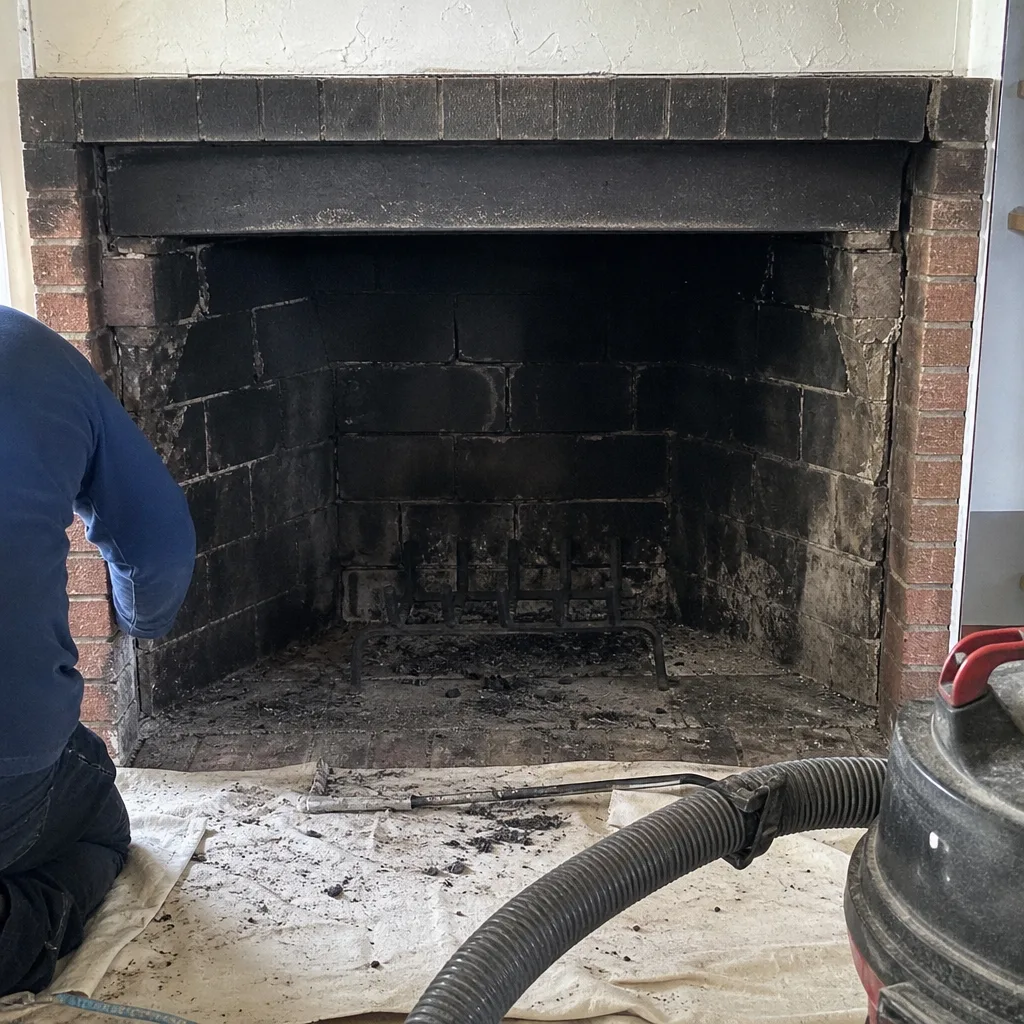
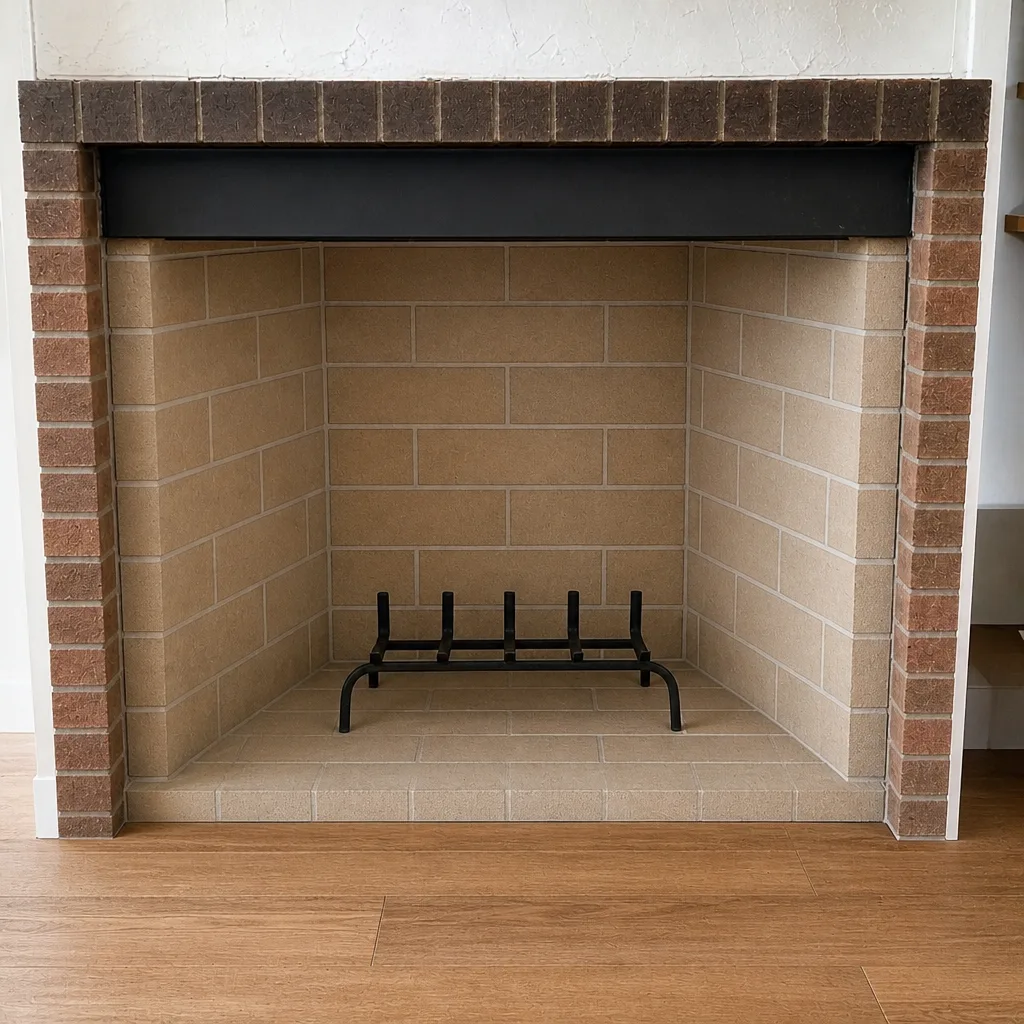
See the difference
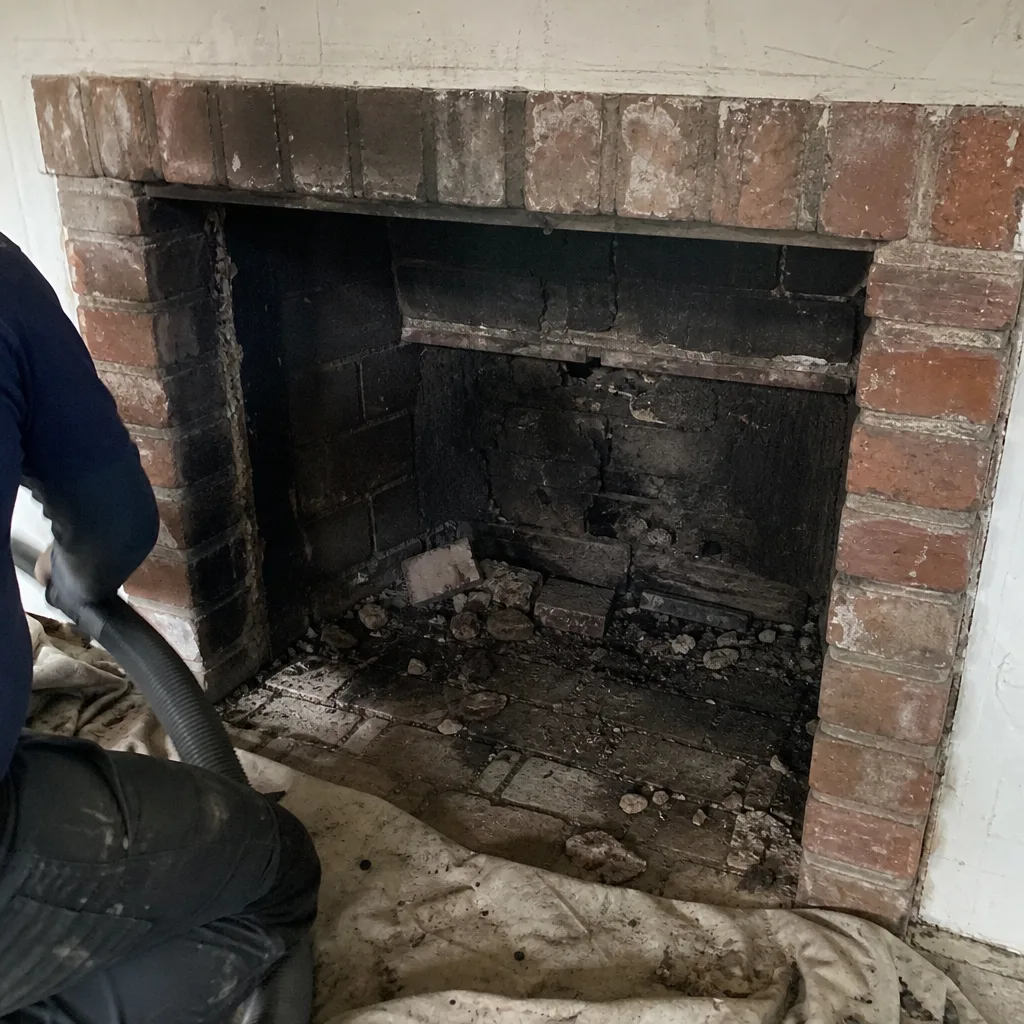 Before
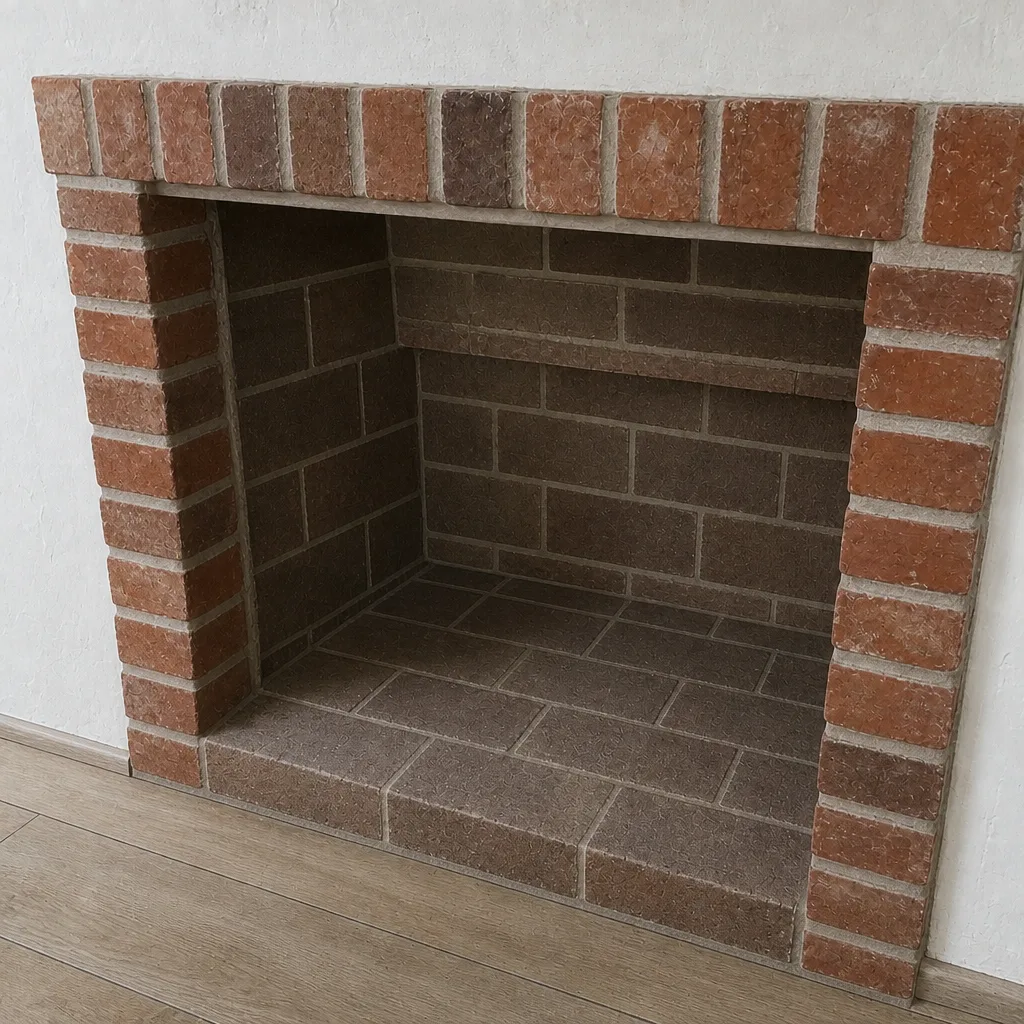 After
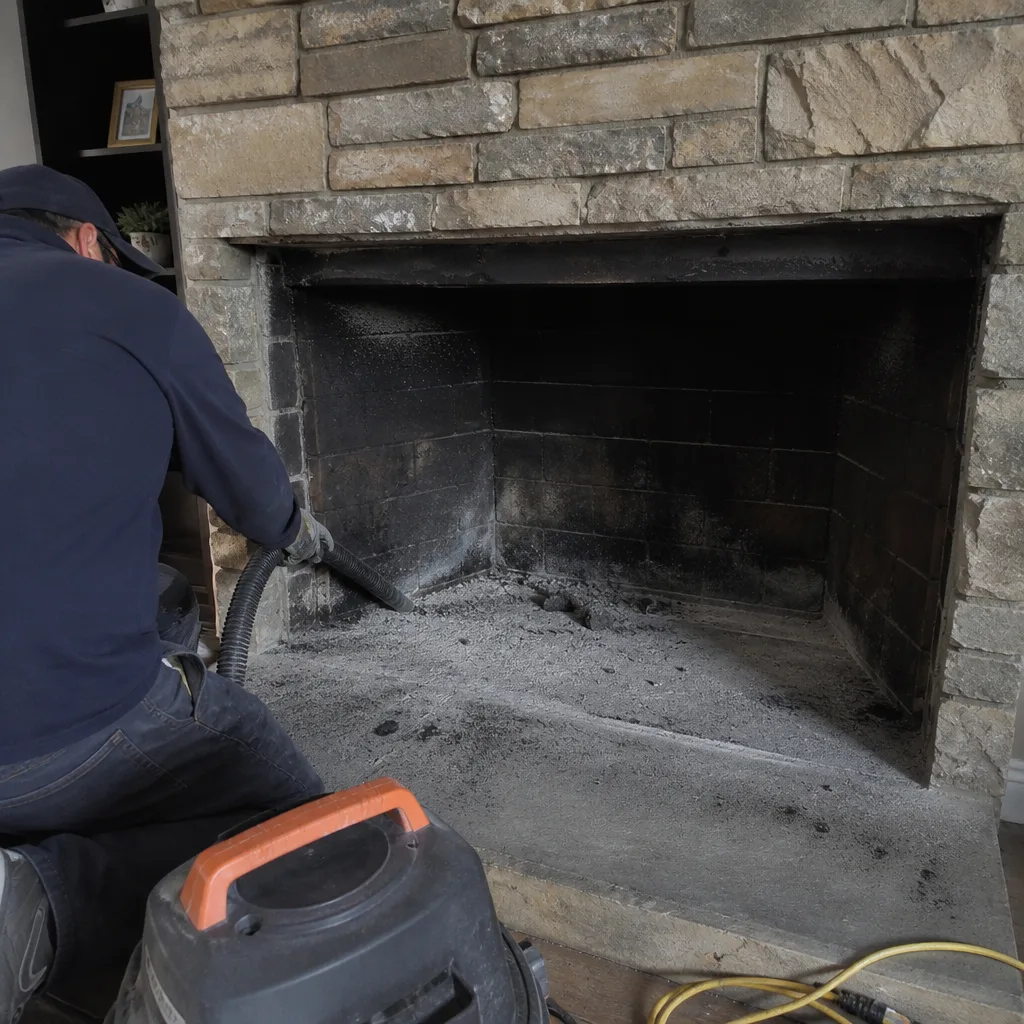 Before
 After
 Before
 After
When to Call a Professional
Call us if you’ve spotted efflorescence, spalling brick, a smoke smell in the living room, or visible creosote at the firebox. Call before you use the fireplace again if smoke rolls into the room, if the smell is acrid rather than smoky, or if you’ve never had the chimney inspected. Those are the situations where waiting turns a routine service into a repair. The technicians we connect you with have up to 12 years of experience, and they work on chimneys only, which means the same person who finds the problem can also correct it – sweep, inspection, liner work, cap and crown, and any structural repair. Garden Grove Chimney Sweep Pros offers free estimates, and we’ll tell you plainly when a job can safely wait. Call (833) 629-1431 for a free estimate.
Frequently Asked Questions
A standard chimney sweep is priced per job by a written estimate, and the estimate is free. A routine sweep of a wood-burning fireplace typically falls in a modest range compared with repairs, while a chimney with glazed creosote or a liner problem will need more work than a sweep alone. The written estimate sets the final price, so you know the cost before any work starts. Call (833) 629-1431 for an exact quote. Estimates are free.
Not always, and we won’t tell you that you do without evidence. A cracked or displaced liner does need attention, but a liner that’s intact with some wear can often be restored with HeatShield liner restoration rather than replaced entirely. That’s the difference between an alternative and the full job. What we recommend comes from what the camera shows, and we’ll show you the footage so you can see it for yourself. If the liner can safely wait, we’ll tell you that too. Call (833) 629-1431 for an exact quote. Estimates are free.
Once a year is the baseline for a chimney in regular use, and in Garden Grove late fall is the natural time to book so the flue is clear before the burning season starts. Heavy use, unseasoned wood, or prior creosote buildup can move that interval shorter, and any warning sign in this guide means book promptly rather than wait for the annual schedule. An inspection tells you where you actually stand. Call (833) 629-1431 for an exact quote. Estimates are free.
Creosote keeps accumulating inside the flue, and at the hardened and glazed stages it becomes fuel that can ignite and cause a chimney fire. That’s the real risk, and it builds quietly. What you’ll often notice first are the small signs: a smoke smell, a draft problem, white staining on the exterior. What you may not notice is a liner that’s cracking or a blockage in the flue that lets exhaust back into the house. None of it is a reason to panic, but it is a reason to schedule the inspection rather than wait for a louder signal. Call (833) 629-1431 for an exact quote. Estimates are free.
White powder is efflorescence, and it means water is moving through your masonry. You should treat it as a sign that the top of your chimney has a gap – usually a failed crown or a missing cap. Left alone, the moisture weakens mortar and brick from the inside, and it rusts the metal inside the flue. An inspection and a crown or cap repair usually fix the source before it gets more expensive. Call (833) 629-1431 for an exact quote. Estimates are free.
Stop using it until the flue has been inspected. Smoke into the room can mean a blocked flue, a failed liner, or a structural draft problem – and a blocked flue is a path for carbon monoxide as well as smoke. Don’t try to burn your way through it with a hot fire. Have a chimney professional look at it first, then follow what they recommend. Call (833) 629-1431 for an exact quote. Estimates are free.
The Bottom Line
The warning signs that matter most in Garden Grove chimneys usually start small: white staining on the exterior, a smoke smell in the living room, a damper that no longer seals, brick faces shedding on the sunny side of the stack. Each one has a specific mechanism behind it, and knowing the mechanism tells you how fast to act. Water entry at the top is the most common starting point, so cap and crown condition deserves the first look. Creosote doesn’t announce itself, which is why an inspection matters more than a sweep alone. The technicians have up to 12 years of experience, the estimate is free, and the written estimate sets the final price. Call (833) 629-1431. We answer 24/7. Fast dispatch from 7am to 7pm, Sunday through Friday.
Written by the team at Garden Grove Chimney Sweep Pros.