
Last updated November 23, 2026
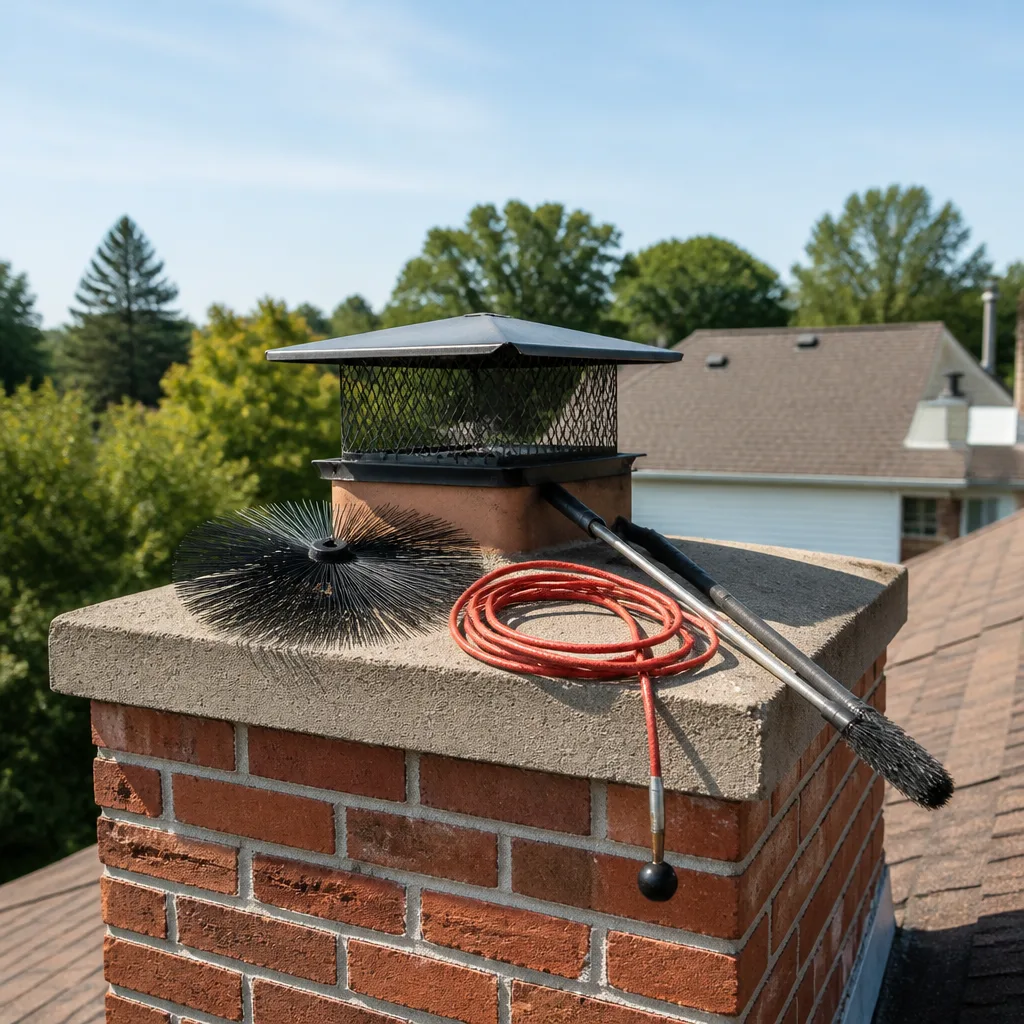 Sweep & inspection
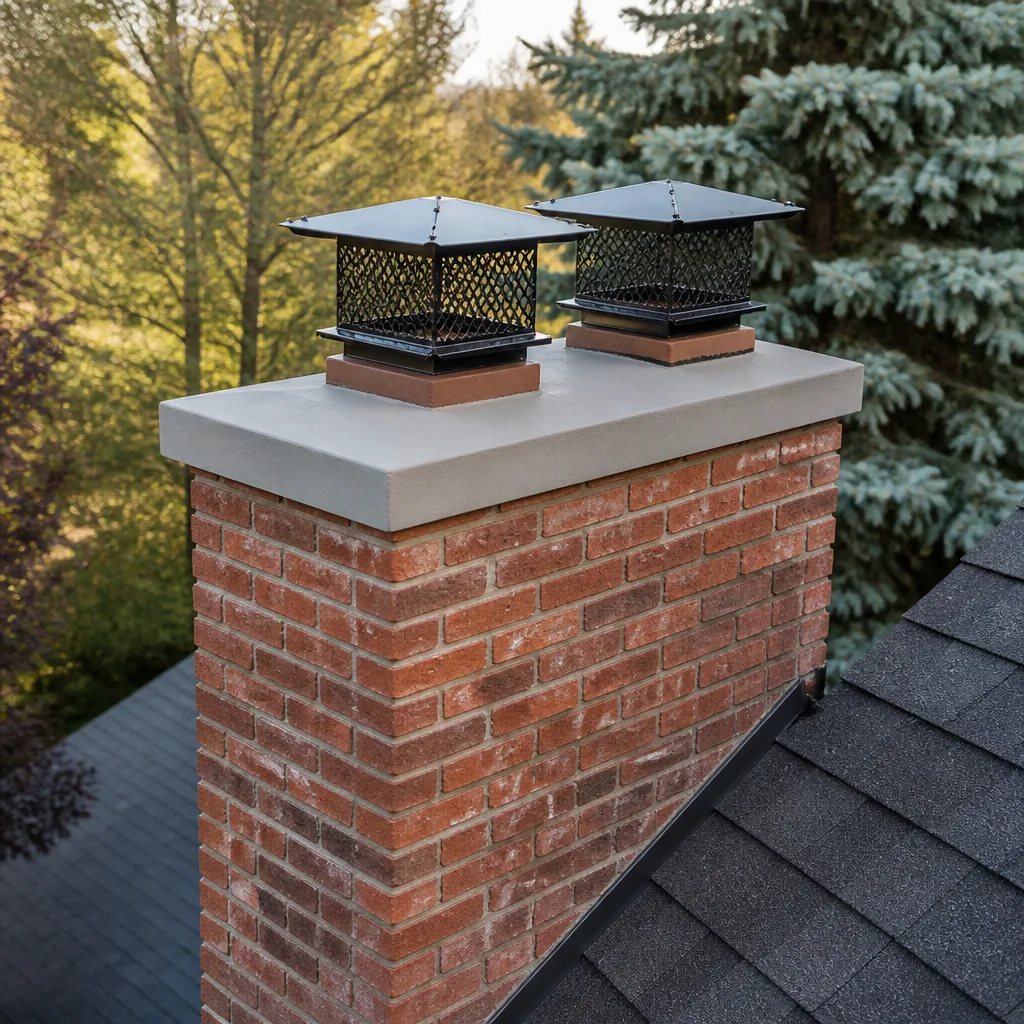 Caps & crowns
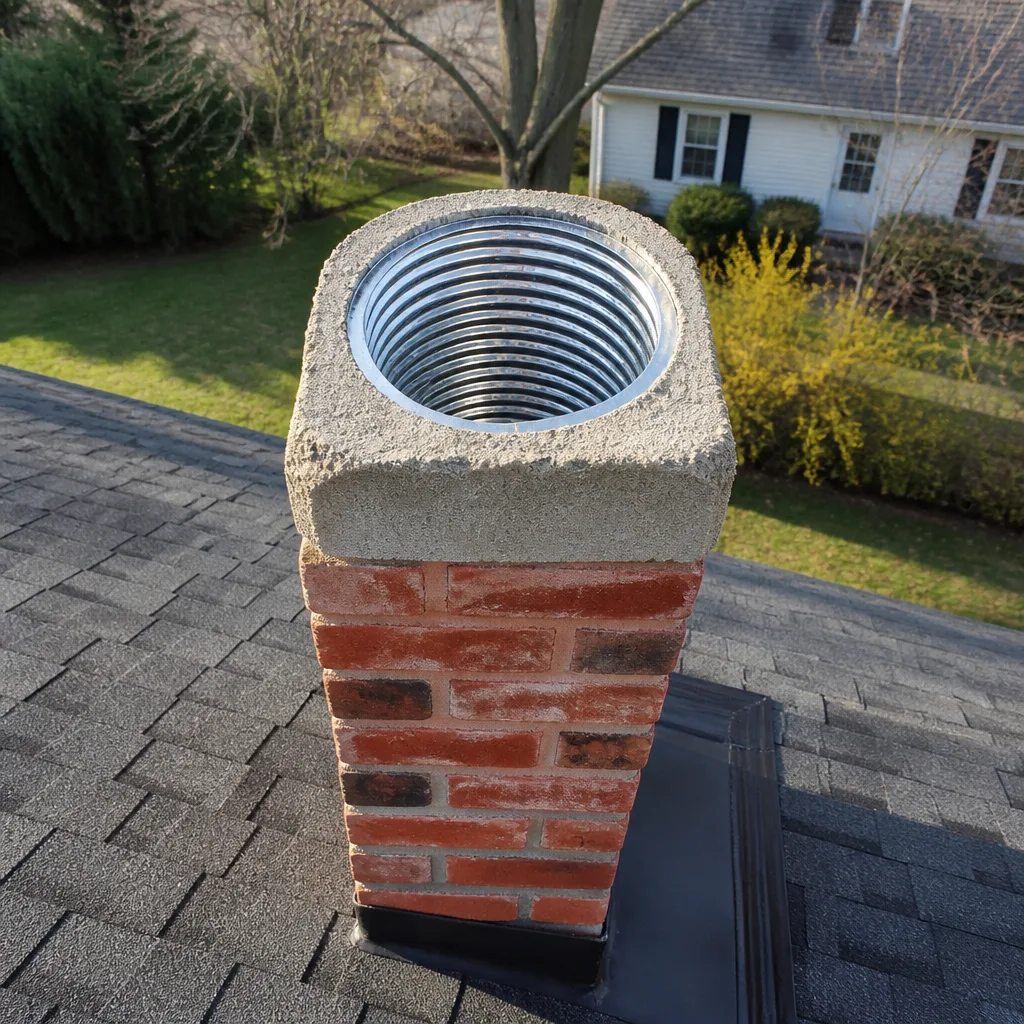 Flue relining
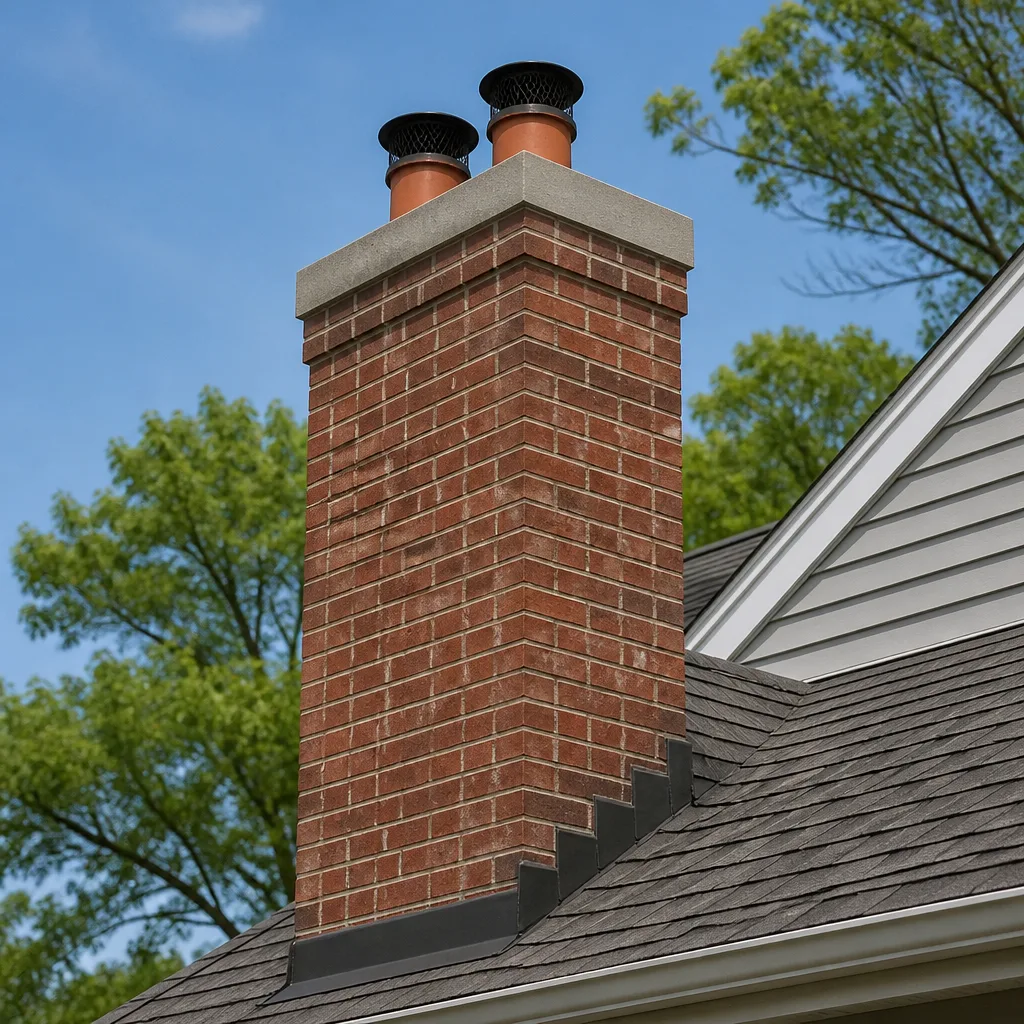 Masonry repair
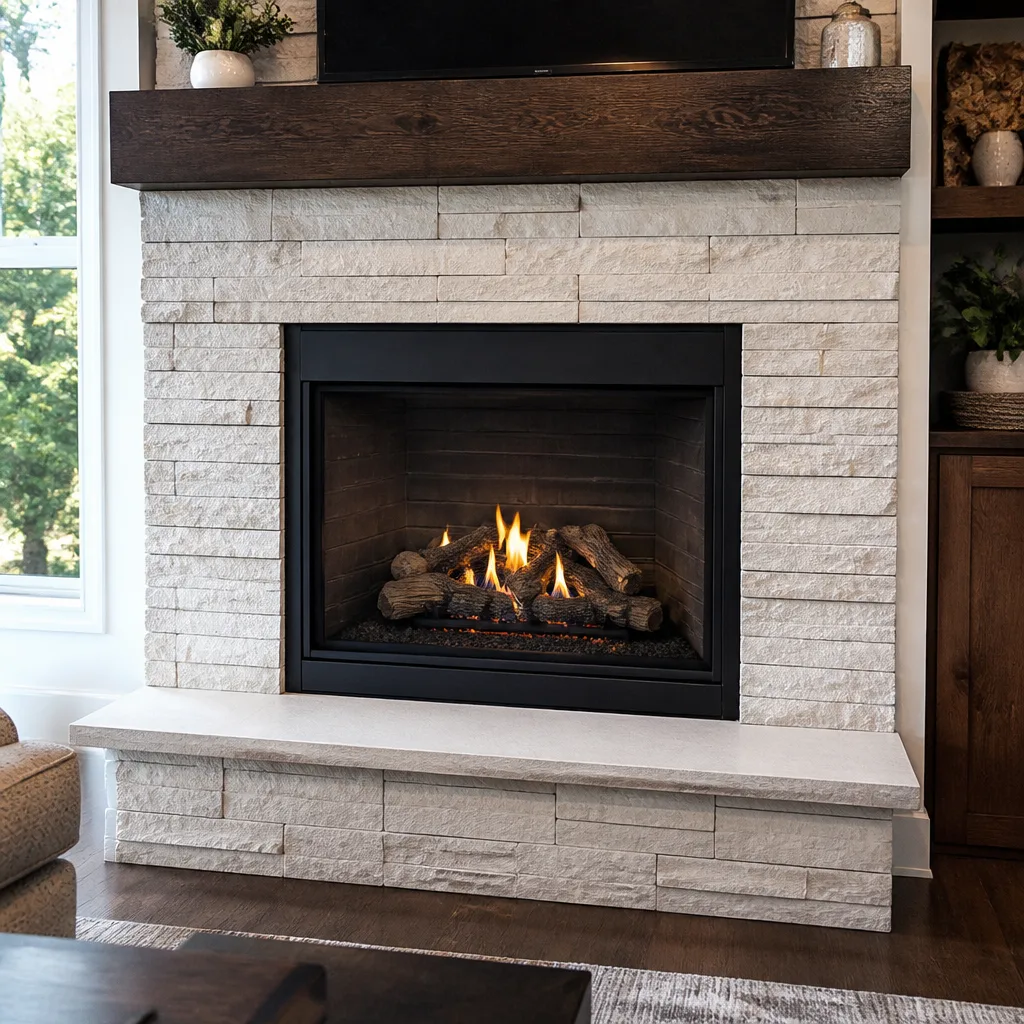 Gas fireplace service
Level 1 sweep and inspection to the NFPA 211 annual standard - flue, crown, cap, and flashing checked and photographed
Chimney sweep logs do not sweep chimneys. They loosen some creosote - which then falls where a brush and vacuum still have to collect it.
Choosing the Right Chimney Cleaning Brand: A Buyer’s Guide for Garden Grove
The chimney cleaning log you burned last winter didn’t clean your chimney. It changed the composition of the Stage 1 creosote deposits in your flue just enough to make them slightly more brittle, which is a real but limited benefit, and only as a between-sweep supplement. Every professional-grade product label says exactly that, in the fine print most people never read. The gap between what a hardware store sells and what a certified sweep actually uses is the subject of this guide. It covers chemical formulations, dwell times, liner materials, sealant categories, and the exact questions to ask a contractor about the products they carry in Garden Grove.
Quick Answer
The right chimney cleaning brand in Garden Grove is the one whose products match your liner material and your creosote type, not the one with the loudest label. Consumer logs and sprays are supplements, not cleaners; professional chemical systems, rotary tools, and crown sealants do the actual work. Ask any contractor to name the specific products they use and why, and treat a vague answer as a red flag.
Styles & brands we work with
- Sweep & inspection
- Caps & crowns
- Flue relining
- Masonry repair
- Gas fireplace service
Table of Contents
- Consumer Chimney Cleaning Products vs. Professional Systems
- What Creosote Actually Is, and Why the Stage Matters
- How to Read a Contractor’s Material Spec Sheet
- Liner Material Determines Which Products Are Safe
- Water Repellent vs. Waterproof Sealant for Crowns
- What the Professional Brand Names Actually Mean
- Questions to Ask Before You Book
- Common Mistakes to Avoid
Consumer Chimney Cleaning Products vs. Professional Systems
Consumer products and professional systems occupy different jobs entirely. A creosote sweeping log, a spray-on powder, or a liquid additive is designed to condition deposits between professional cleanings. It is not a cleaner. A professional sweep uses mechanical rotary systems, chemical creosote removers with controlled dwell times, and inspection tools that let them verify the result. If a product promises to “clean your chimney while you sleep,” the label is doing work the chemistry isn’t.
Here is what each category can and cannot accomplish:
- Creosote logs: Can dry and brittle Stage 1 deposits slightly, making them easier to brush. Cannot remove Stage 2 or Stage 3 creosote, cannot touch the flue walls above the firebox, and cannot substitute for a sweep.
- Spray-on powders and soot removers: Can loosen light surface soot on firebox walls and smoke chamber surfaces. Cannot penetrate glazed deposits, and used too heavily can leave residue that affects draft.
- Liquid additives burned with the fire: Can marginally reduce new deposit formation. Cannot remove anything already bonded to the flue.
- Professional chemical creosote removers: Formulated to soften specific creosote stages over a controlled dwell time, then removed mechanically. Requires the right product for the right stage, the right liner, and a sweep trained to apply it.
- Rotary cleaning systems: Professional whip and brush heads on flexible rods driven by a drill or dedicated motor. Reaches the full flue, including offset sections and the smoke chamber, without damaging liners when matched correctly.
The reason this matters in Garden Grove is the same reason it matters everywhere: the products are not interchangeable. Using a consumer additive on Stage 3 glazed creosote does essentially nothing. Using a professional chemical remover on a clay tile liner with hairline cracks can push softened material into the masonry behind the tile. The label matters, the diagnosis matters more, and they have to match.
What Creosote Actually Is, and Why the Stage Matters
Creosote is the byproduct of incomplete combustion, and it forms in three distinct stages that behave nothing alike. Stage 1 is the fluffy, soot-heavy deposit that a brush removes easily. Stage 2 is the flaky, hardened material that builds in layers and needs a rotary brush. Stage 3 is the glazed, tar-like deposit bonded to the flue wall, and it is the one that fuels chimney fires. Each stage calls for different tools and, often, different chemistry.
In Southern California, we see a particular pattern. Homeowners burn intermittently, usually on cool evenings from November through February, often with wood that hasn’t fully seasoned. The flue stays relatively cool compared to the firebox, and that temperature differential is exactly what produces Stage 2 and Stage 3 deposits faster than a steady burn would. A homeowner in Garden Grove burning dense, wet wood a few nights a week can build significant Stage 2 in a single season. Mild winters here don’t reduce creosote formation. They change its character.
What that means for product selection:
- Identify the stage first. A camera inspection or a visual sweep from the top confirms what you’re dealing with before any chemical is chosen.
- Match the product to the stage. Stage 1 responds to mechanical brushing. Stage 2 responds to rotary tools and stage-specific chemical softeners. Stage 3 often needs professional chemical treatment followed by mechanical removal, sometimes over multiple visits.
- Confirm liner compatibility. Every professional chemical remover has liner restrictions on its label. Clay tile, stainless flex, and cast-in-place liners each have different tolerances.
- Verify the result. A camera report after cleaning proves the product worked. If a contractor can’t show you the flue after the job, you have no way to know what actually happened.
Most homeowners cannot identify creosote stage from the firebox, and that’s fine. That’s what the inspection is for. The point is that no product, consumer or professional, can be selected correctly without knowing what it’s being asked to do.
How to Read a Contractor’s Material Spec Sheet
A material spec sheet tells you what a contractor actually carries and applies, and most homeowners never ask for one. You don’t need a technical background to evaluate it. You need to recognize the difference between a product designed for certified professionals and a product designed for a shelf at a hardware store. The naming, the labeling, and the technical data all differ, and the differences are visible.
Here is what to look for, side by side:
- Rotary cleaning systems: Professional systems name the specific whip or brush head, the rod type (often nylon or flexible steel), and the driver. Retail equivalents are hand brushes with fixed handles that can’t reach past the smoke chamber in most chimneys.
- Crown sealants: Professional crown coatings are flexible, breathable masonry sealants rated for exterior exposure. Hardware-store equivalents are often rigid patch compounds or clear silicone caulks that fail at the masonry joint within a season or two.
- Flashing compounds: Professional flashing sealants are rated for metal-to-masonry adhesion and thermal movement. Consumer caulk at the flashing joint is one of the most common causes of slow water intrusion we see in Garden Grove.
- Creosote removers: Professional removers list the creosote stage they target, the dwell time, and the liner compatibility on the label. Consumer products usually list none of that because they aren’t formulated for stage-specific work.
- Liner systems: Professional liner brands publish UL listings and warranty terms. Retail liner kits exist but rarely carry the same documentation, and installation is not a homeowner project.
Two practical tests. First, ask the contractor to name the specific product they would use on your chimney and why. A generalist crew usually answers with a category (“we use a standard sealant”), while a chimney-exclusive shop answers with a product name and a reason. Second, ask what happens if a product turns out to be wrong for your liner. The answer should include a camera verification and a plan, not a shrug.
This is where the difference between a chimney specialty and a multi-trade company becomes visible. At Garden Grove Chimney Sweep Pros, we work on chimneys only, so the products on the job are the products we chose for chimney work, not what happened to be on a roofing truck that morning.
Liner Material Determines Which Products Are Safe
Your liner material is the single biggest factor in which cleaning and restoration products can be used. Clay tile, stainless steel inserts, and cast-in-place liners each respond differently to brushes, chemicals, and moisture. Using the wrong product on the wrong liner is one of the few ways a routine cleaning can leave a chimney in worse shape than it started. This is not a theoretical risk, and it is why a competent sweep identifies the liner before choosing a tool.
Here is the short version of what each liner can and cannot take:
- Clay tile liners: The most common liner in older Garden Grove homes. Tolerates standard rotary brushes and most professional creosote removers. Cannot tolerate harsh acid-based cleaners on compromised tile, and softened creosote pushed against a cracked joint can migrate into the masonry behind. Hairline cracks are common in older tile and need to be caught before cleaning, not after.
- Stainless steel flexible liners (DuraFlex and similar): Tolerates most professional cleaning systems and chemical removers when the product label allows it. Requires soft-bristle or nylon tools in some cases to avoid scoring. Damage usually comes from the wrong brush, not the wrong chemical.
- Cast-in-place liners (HeatShield-restored or original): The most product-sensitive of the three. HeatShield restoration creates a resurfaced flue that behaves like a new liner, and it tolerates standard cleaning once cured. Before restoration, an eroded cast-in-place liner is fragile and needs careful tool selection. Aggressive rotary tools can do real damage here.
We’ve seen the consequences of mismatches. A rotary brush selected for a clay flue applied to a thin stainless liner can score the metal. A strong chemical remover applied to a cast-in-place liner before it’s fully cured can compromise the surface. A consumer additive poured onto Stage 3 glazed creosote does nothing at all, which is a milder failure but still a failure.
When we inspect a Garden Grove chimney, the liner check comes before the tool selection, every time. If the liner needs restoration, HeatShield can resurface it rather than replace it, and that changes which products are appropriate for everything downstream. A sweep-only company will often recommend a full reline where restoration would have worked. Getting the liner diagnosis right is the difference between a reasonable bill and an unnecessary one.
Water Repellent vs. Waterproof Sealant for Crowns
Water repellent and waterproof sealant are not the same product, and the difference matters more in Garden Grove than most homeowners realize. A water repellent penetrates masonry and lets it breathe while blocking liquid water. A waterproof sealant forms a film on the surface and blocks water in both directions. On a chimney crown, the wrong choice traps moisture inside the masonry, and that moisture finds its way out through the flue.
Garden Grove gets most of its rain in concentrated events, not a slow drizzle. A crown that sheds a light rain perfectly can fail under an hour of heavy runoff if the sealant has cracked, peeled, or trapped water behind it. That pattern is exactly what we see when a homeowner has had a crown “sealed” with the wrong product: the surface looks fine, but the masonry underneath is saturated, and the damage shows up at the flashing or the smoke chamber ceiling months later.
Here is what actually protects a crown long term:
- A properly sloped crown. The crown should shed water away from the flue, not pool it. Slope is the first defense, and no sealant fixes a flat or negatively sloped crown.
- A flexible crown coating rated for exterior masonry. Professional crown coatings move with the masonry as it expands and contracts. Rigid patch compounds crack at the first thermal cycle.
- A breathable water repellent on the masonry itself. Penetrating repellents let vapor escape while blocking liquid water. This is the correct category for brick and mortar, not a film-forming sealer.
- Correctly sealed flashing. The joint where the chimney meets the roof is the second most common water entry point after the crown, and it needs a flashing compound rated for metal-to-masonry movement.
The distinction between repelling and waterproofing is the difference between protecting masonry and suffocating it. A chimney cap and a properly coated crown together close the two most common water entry points, and that combination is what we install and repair as a specialty. It’s prevention, not just repair, and it’s the cheapest work you’ll ever do on a chimney.
What the Professional Brand Names Actually Mean
The brand names on a chimney contractor’s material list are not marketing decoration. Each one represents a specific product category with a specific capability, and knowing what each category does helps you evaluate whether a quote makes sense. We work with DuraFlex, HeatShield, Gelco, Olympia Chimney, Famco, and Copperfield products, and each fills a distinct role in a chimney system.
Here is what each category covers, without overstating any of them:
- DuraFlex liner systems: Stainless steel flexible liners used for relining and for new liner installations. The brand name signals a professional-grade liner with published listings, not a retail kit.
- HeatShield: A cast-in-place liner restoration system. HeatShield resurfaced flues extend the life of an existing chimney without a full reline in many cases. This is a capability most sweep-only companies do not offer, and it changes the recommendation from “replace” to “restore” when the liner qualifies.
- Gelco and Olympia Chimney: Professional-grade chimney components and accessories, including caps, flashing, and related fittings. The distinction from hardware-store parts is material spec and fit, not the label alone.
- Famco and Copperfield: Professional chimney and fireplace components used in cap, crown, and related work. These are the kinds of products you won’t find on a generalist crew’s truck.
What you should take from this list is not a brand preference. It’s that a chimney-exclusive shop carries products for the full lifecycle of a chimney: cleaning, inspection, cap and crown, fireplace repair, and liner restoration. When you need a chimney sweep and a repair in the same visit, you don’t want to hear “we’ll have to bring someone else in for that.” One company handling the sweep, the inspection, the repair, and the cap closes the gaps that cause problems to get missed.
A generalist crew, whether roofing or HVAC, stocks what their primary trade needs. Chimney work is an afterthought on their truck. That’s not a knock on their competence in their own trade. It’s a reason to book a chimney job with a chimney company.
Questions to Ask Before You Book
The right questions will separate a chimney specialist from a generalist with a brush. You don’t need to know the answers yourself. You need to hear how the contractor answers. Vague answers on product specifics, liner identification, or verification are a reason to keep looking, and specific answers are the reason to book.
Ask these, in this order:
- “What liner do I have?” A specialist will look or run a camera before answering. A generalist will guess.
- “What creosote stage do I have, and how do you know?” The answer should refer to a visual inspection or camera result, not a guess based on how often you burn.
- “Which products will you use on my chimney, and why those?” You’re listening for product names, not categories.
- “What do you carry on the job, and what has to be ordered?” A chimney-exclusive shop stocks professional-grade materials for the common jobs. If a cap, crown coating, or flashing compound has to be special-ordered, ask why.
- “Can I see the camera report?” Any professional inspection should include photos or video of the flue before and after. If you can’t see it, you can’t verify it, and you shouldn’t pay for it.
- “What can safely wait, and what can’t?” A good contractor will tell you plainly when nothing urgent is going on. A contractor who recommends everything at once without evidence is telling you something about themselves.
- “What’s the written estimate, and does it cover the whole job?” The written estimate sets the final price. Get it before work begins.
We also recommend asking whether the company does its own cap and crown work or subcontracts it. Full-system capability means the same company handles the chimney repair, the cap, and the crown, and no handoffs leave gaps. That matters in Garden Grove because the repair you need after a heavy rain event is usually the same cap or crown that should have been fixed before the rain.
One more question worth asking: “Do you do roofing or HVAC?” If the answer is yes, chimney work shares the schedule with other trades. That’s fine for the contractor. It usually isn’t fine for the chimney, because the products on the truck are selected for the other trade.
Common Mistakes to Avoid
- Treating a creosote log as a substitute for a sweep. It conditions deposits; it doesn’t remove them. A firebox full of brittle Stage 2 creosote is still a firebox full of creosote, and the log doesn’t know the difference.
- Choosing a contractor by price alone. The lowest bid is often the crew using consumer-grade products and skipping the camera inspection. You won’t see the difference until the next season, when the creosote is back and the wrong sealant has failed.
- Accepting a “sealed crown” without asking which product. A film-forming waterproof sealant on a Garden Grove chimney can trap moisture and cause more damage than an unsealed crown. Repellent, not waterproof, is the correct category for masonry.
- Letting a generalist crew select the cleaning tools. A rotary brush sized for the wrong liner can score stainless or crack clay tile. The tool has to match the liner, and that requires identifying the liner first.
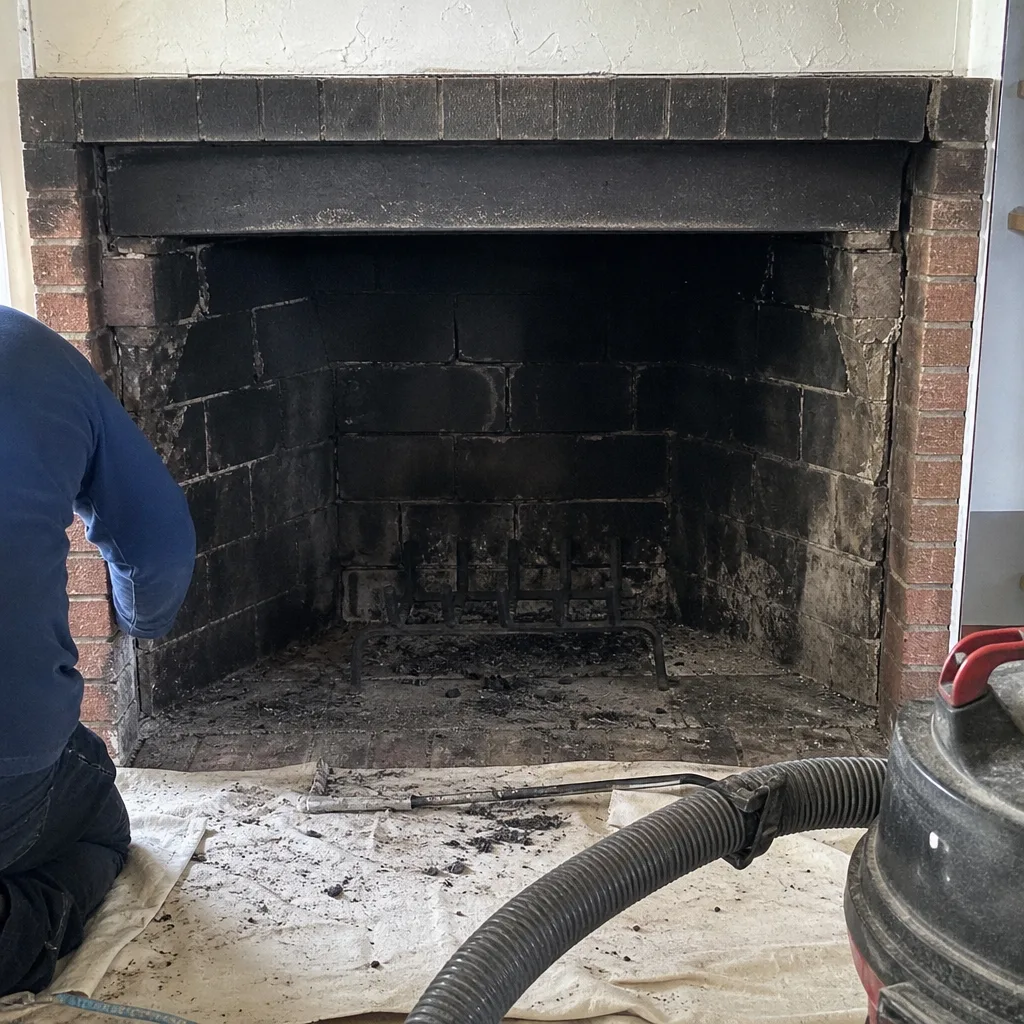
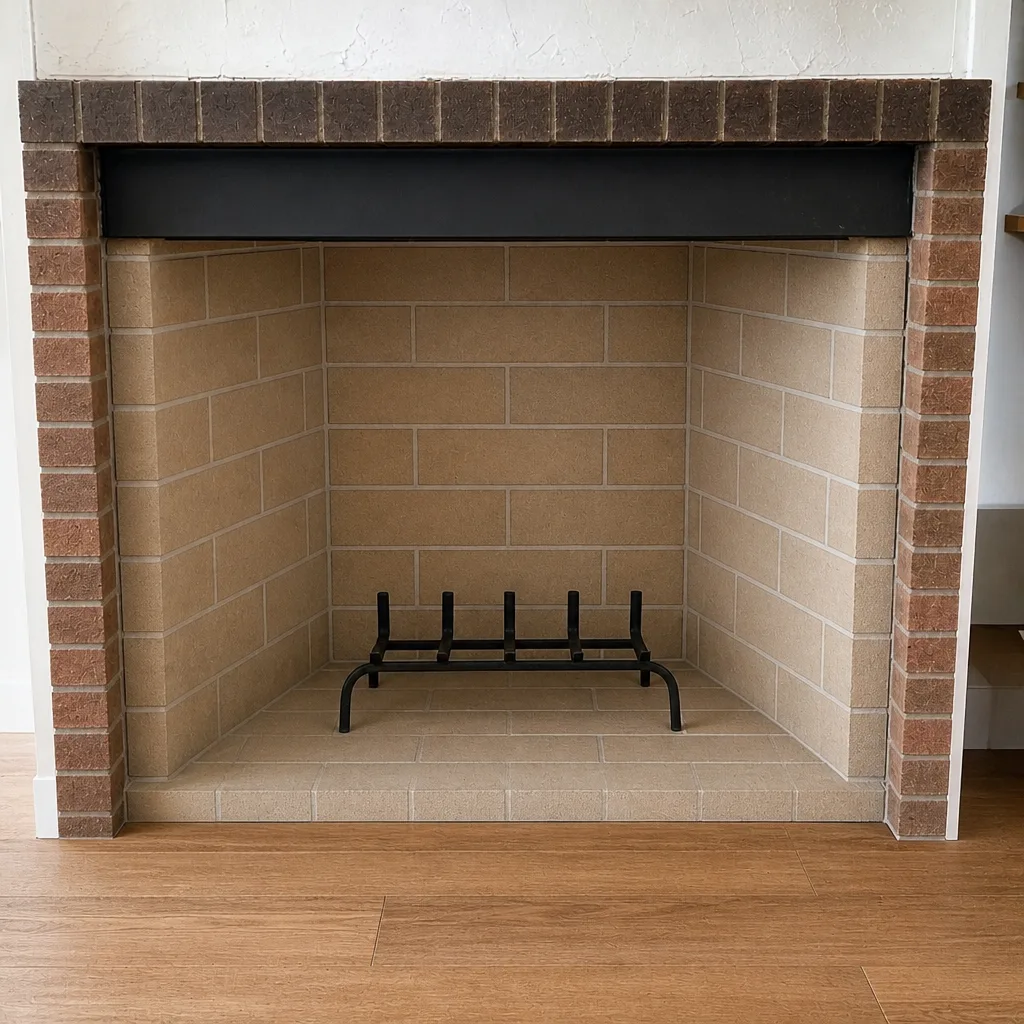
- Skipping the camera report. If you don’t see the flue before and after, you’re paying for a result you can’t verify. A professional inspection documents what it found.
- Relining when restoration would have worked. A sweep-only company often recommends a full reline because they can’t do liner restoration. HeatShield can extend the life of a chimney that would otherwise get a full replacement, and asking about restoration first is worth the conversation.
- Ignoring the cap and crown until water damage shows up inside. The crown and flashing are the two most common water entry points, and catching them in an inspection costs a fraction of what a water-damaged smoke chamber does.
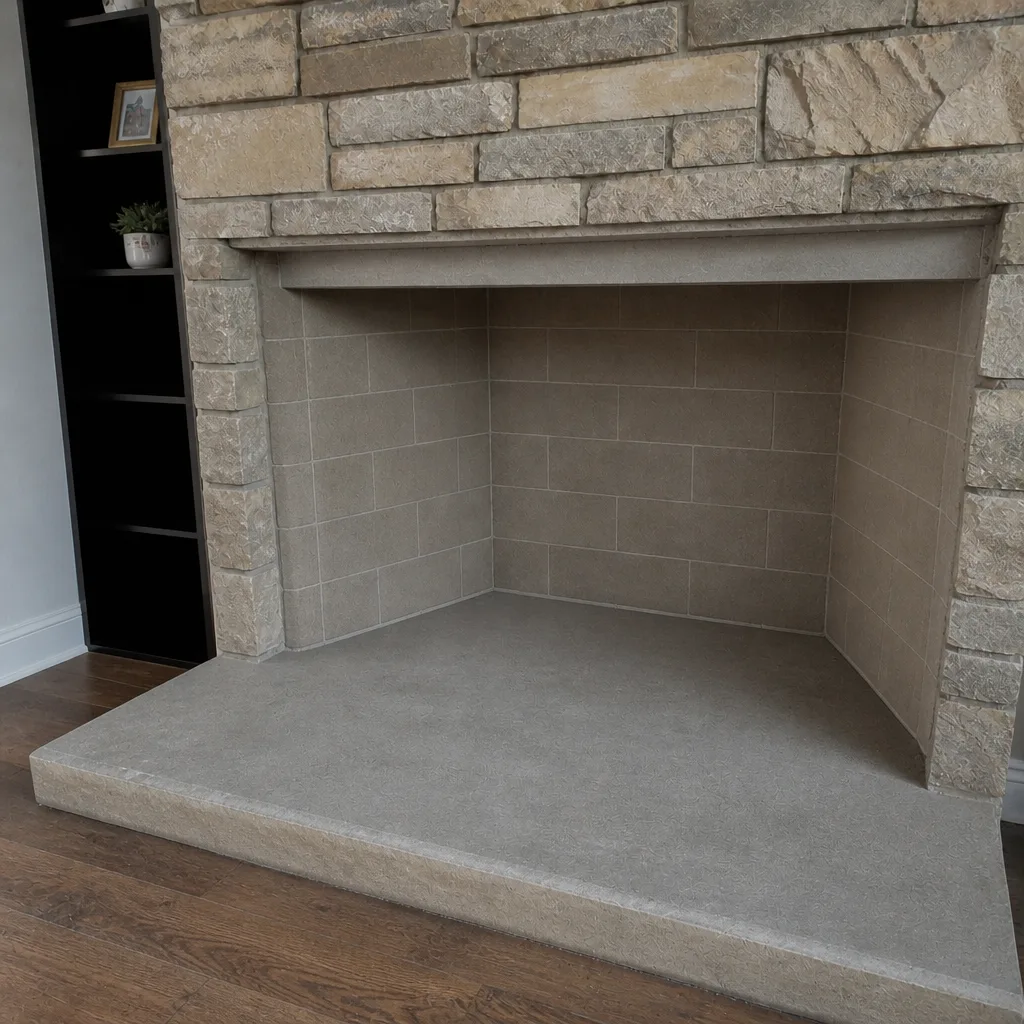
See the difference
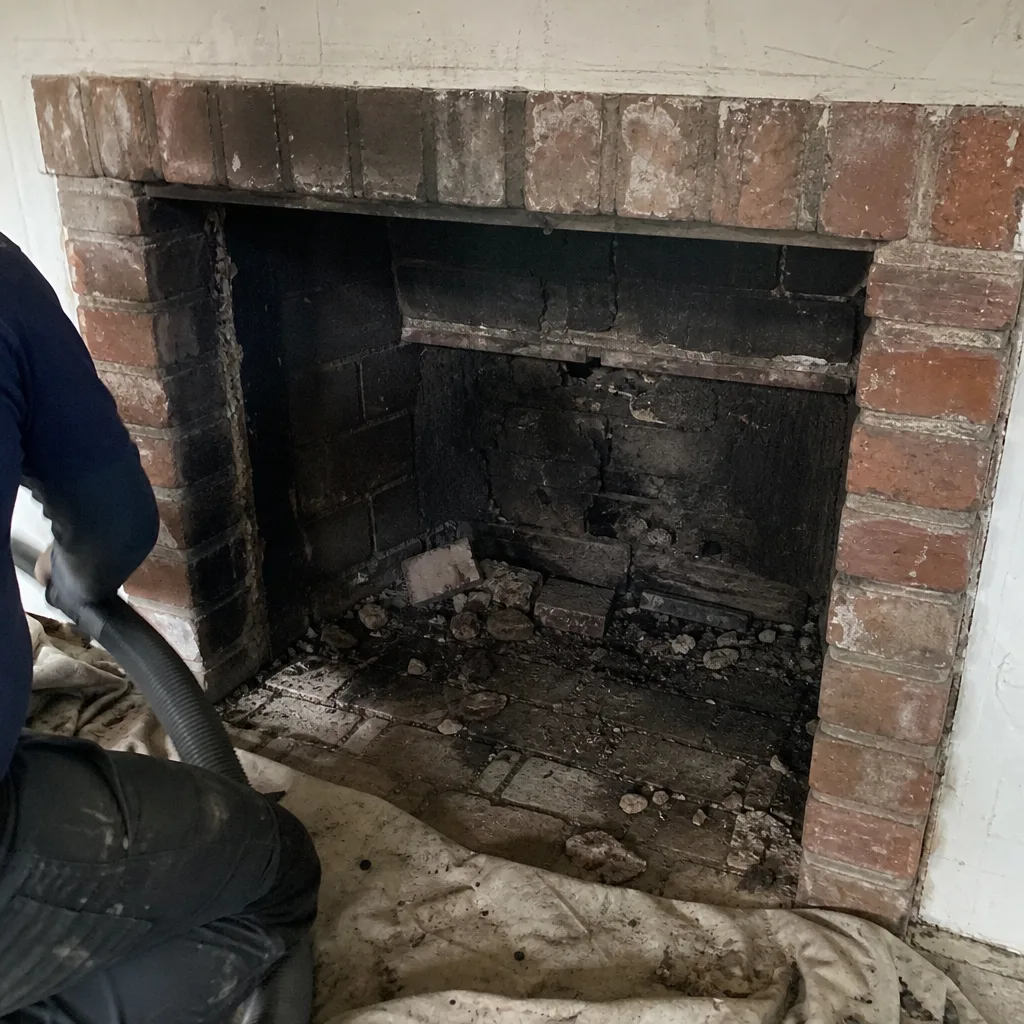 Before
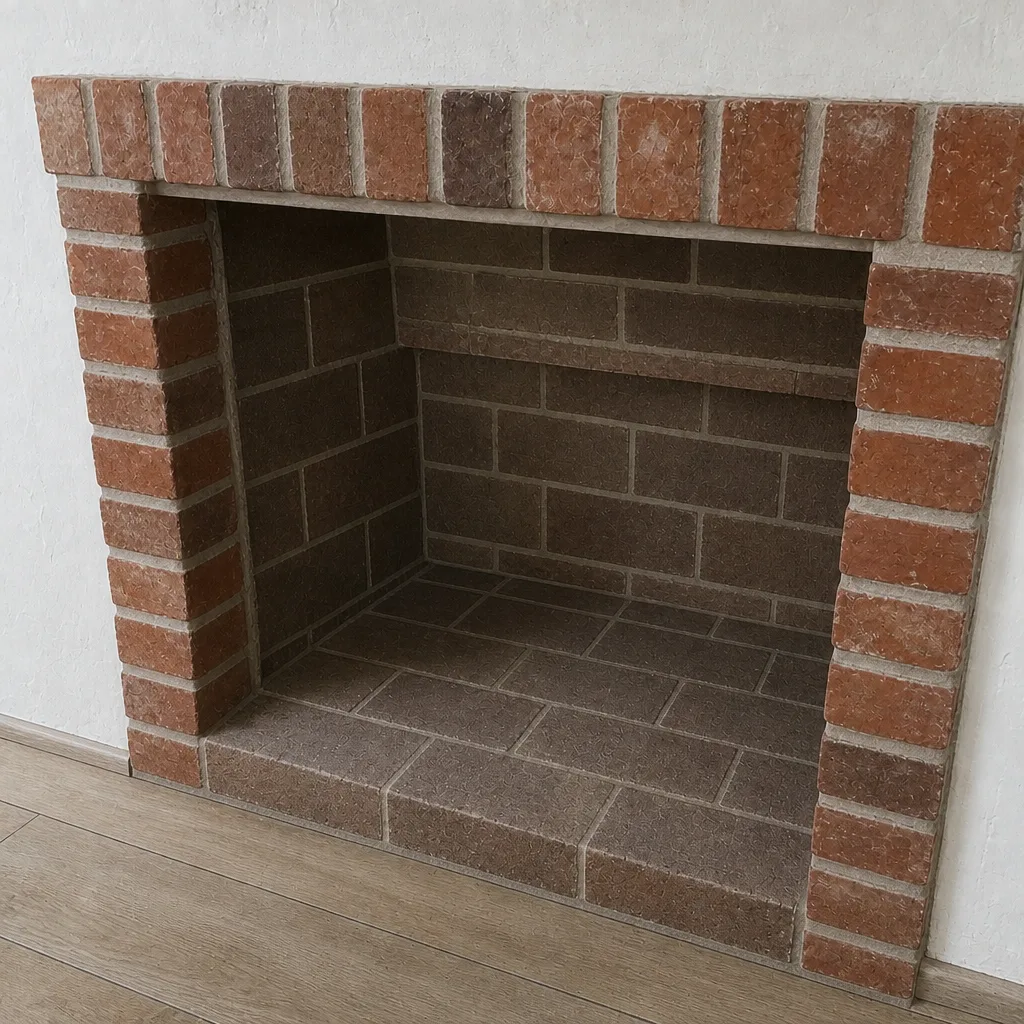 After
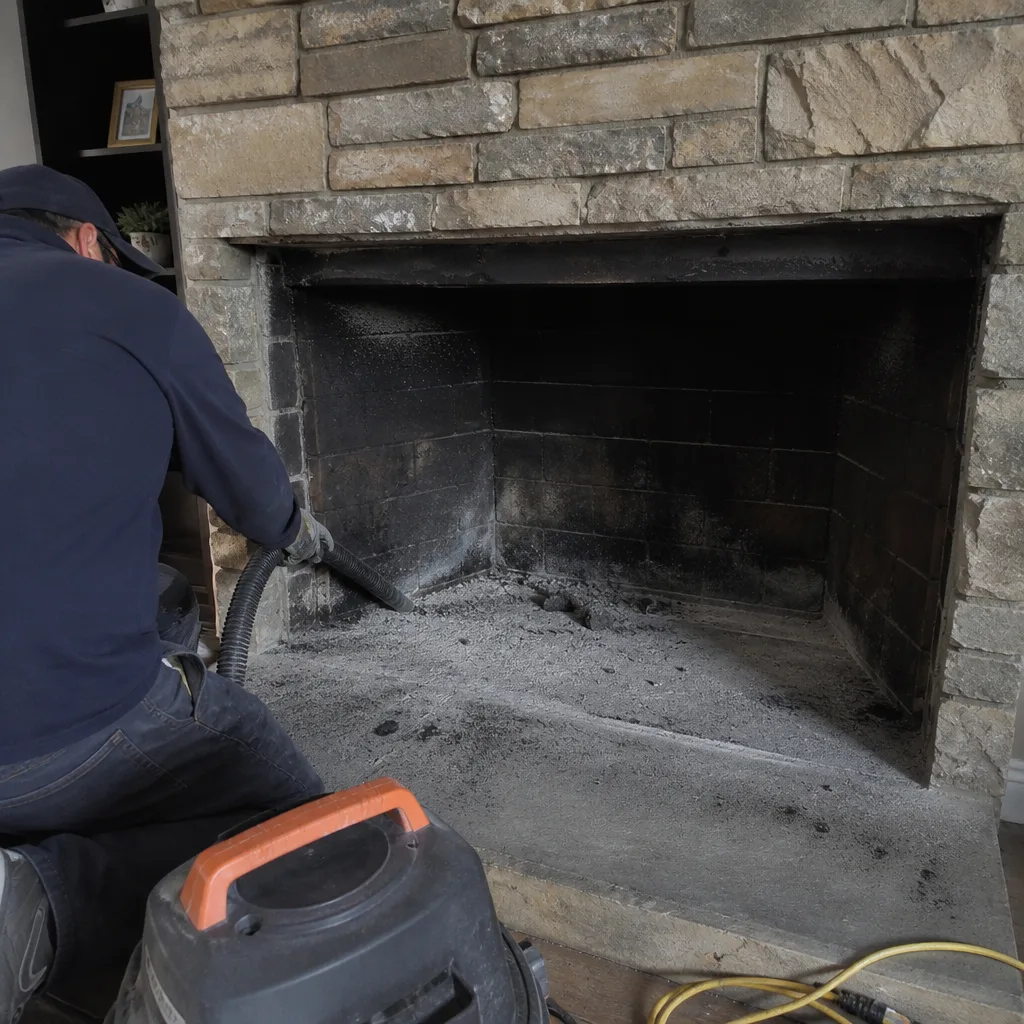 Before
 After
 Before
 After
When to Call a Professional
Call a professional when any of the following is true: you’ve burned wood through a season without a sweep, you notice a strong creosote smell when the fireplace is not in use, you see cracked or missing mortar at the crown, you find water stains on the firebox or smoke chamber, or you’ve never had the liner inspected. Any of these is a reason for a camera inspection before a cleaning is scheduled. We answer 24/7 on the phone at (833) 629-1431, with fast dispatch from 7am to 7pm, Sunday through Friday, and estimates are free.
Garden Grove Chimney Sweep Pros offers free estimates in Garden Grove. If the inspection shows a repair is needed, you’ll see the camera evidence before anything is recommended, and we’ll tell you plainly what can wait. You can read more about fireplace repair if the firebox itself is the reason for the call. A written estimate sets the final price, and the sweep is booked around your schedule, not a truck route.
Frequently Asked Questions
There is no single best product; the right product depends on your liner material and your creosote stage. Clay tile, stainless flex, and cast-in-place liners each tolerate different chemicals and tools, so a professional identifies the liner and the creosote stage before selecting a product. Ask a contractor to name the product they would use on your specific chimney and why. Call (833) 629-1431 for an exact quote; estimates are free.
No. Creosote logs condition Stage 1 deposits to make them slightly more brittle between sweeps, which is a real but limited benefit. They cannot remove Stage 2 or Stage 3 creosote, and they cannot substitute for a professional sweep. If a log is on your shelf, use it as a supplement, not a replacement. Call (833) 629-1431 to book a sweep.
Once a year for most homes, and more often if you burn frequently or burn unseasoned wood. The mild winters here still produce creosote, because intermittent burning with cool flue temperatures forms deposits faster than a steady burn would. A camera inspection tells you whether your specific chimney needs more frequent cleaning. Call (833) 629-1431 to schedule an inspection.
In many cases, restoration is enough. HeatShield resurfacing can extend the life of an existing liner rather than replacing it, and it’s a real alternative to a full reline when the liner qualifies. A sweep-only company often recommends relining because they can’t do restoration. Ask about restoration first. Call (833) 629-1431 for an inspection and a written estimate.
A film-forming waterproof sealant can trap moisture inside the masonry, and that moisture finds its way out through the flue or the flashing joint. The correct category for masonry is a breathable water repellent, not a surface waterproofing film. If a crown was sealed with the wrong product, an inspection will show the damage. Call (833) 629-1431 for a free estimate on the repair.
Yes, and an inspection is the right first step. We check the liner, the creosote stage, the crown, and the flashing before recommending a cleaning or any repair, and we show the camera findings so you can verify what we see. Nothing is recommended without evidence you can look at. Call (833) 629-1431 for an exact quote.
The Bottom Line
The chimney cleaning brand on a product label tells you what that product was formulated to do. Matching it to your liner and your creosote stage is what actually keeps a Garden Grove chimney safe and working. Consumer logs and sprays are supplements; professional chemical systems, rotary tools, crown coatings, and flashing compounds do the real work, and they need a chimney specialist to apply them correctly. Ask the questions in this guide. Look at the camera report. Take the written estimate. A specialist will answer every one of them, and a generalist won’t.
If you’d rather skip the research and get a straight answer about your own chimney, call Garden Grove Chimney Sweep Pros at (833) 629-1431 for a free estimate. Our technicians have up to 12 years of experience, we work on chimneys only, and nothing gets recommended without camera evidence you can see for yourself. One company handles the sweep, the inspection, the repair, and the cap.
Written by the team at Garden Grove Chimney Sweep Pros.