
Last updated November 23, 2026
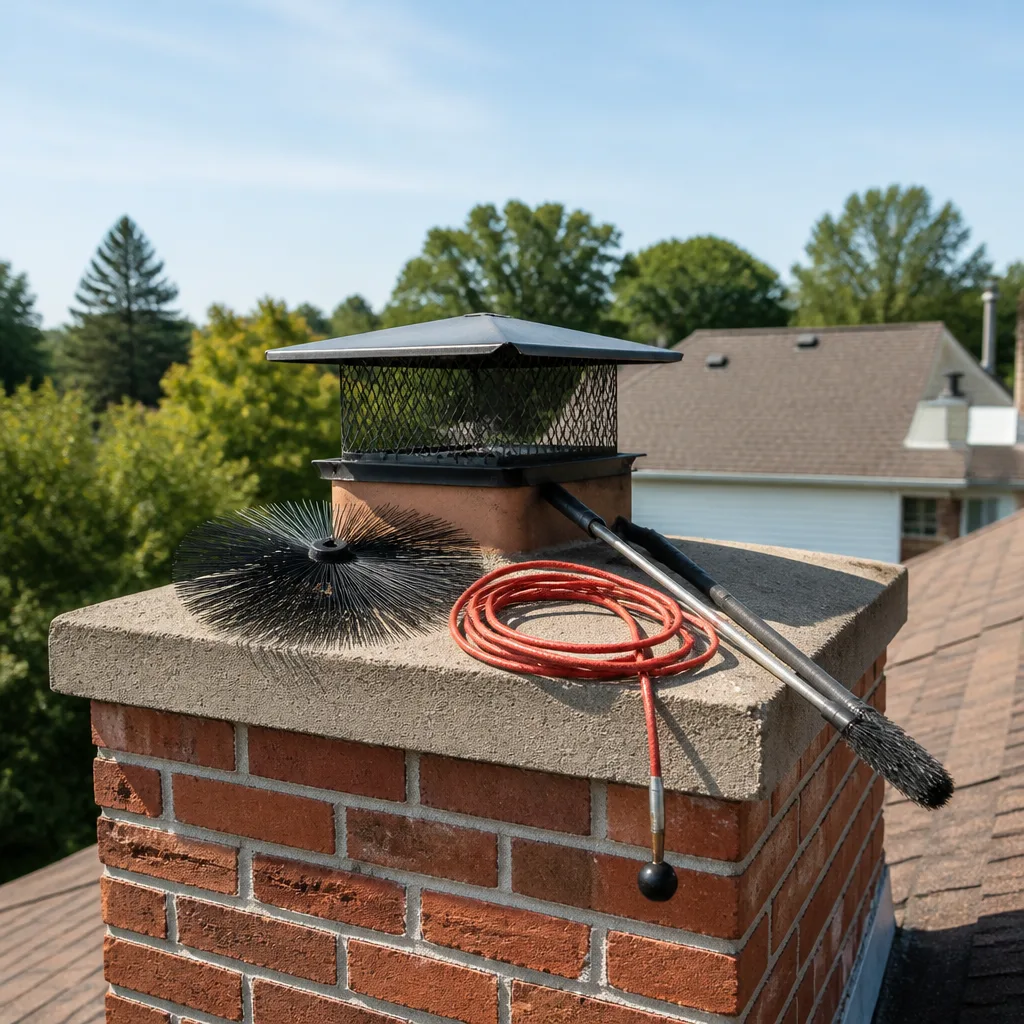 Sweep & inspection
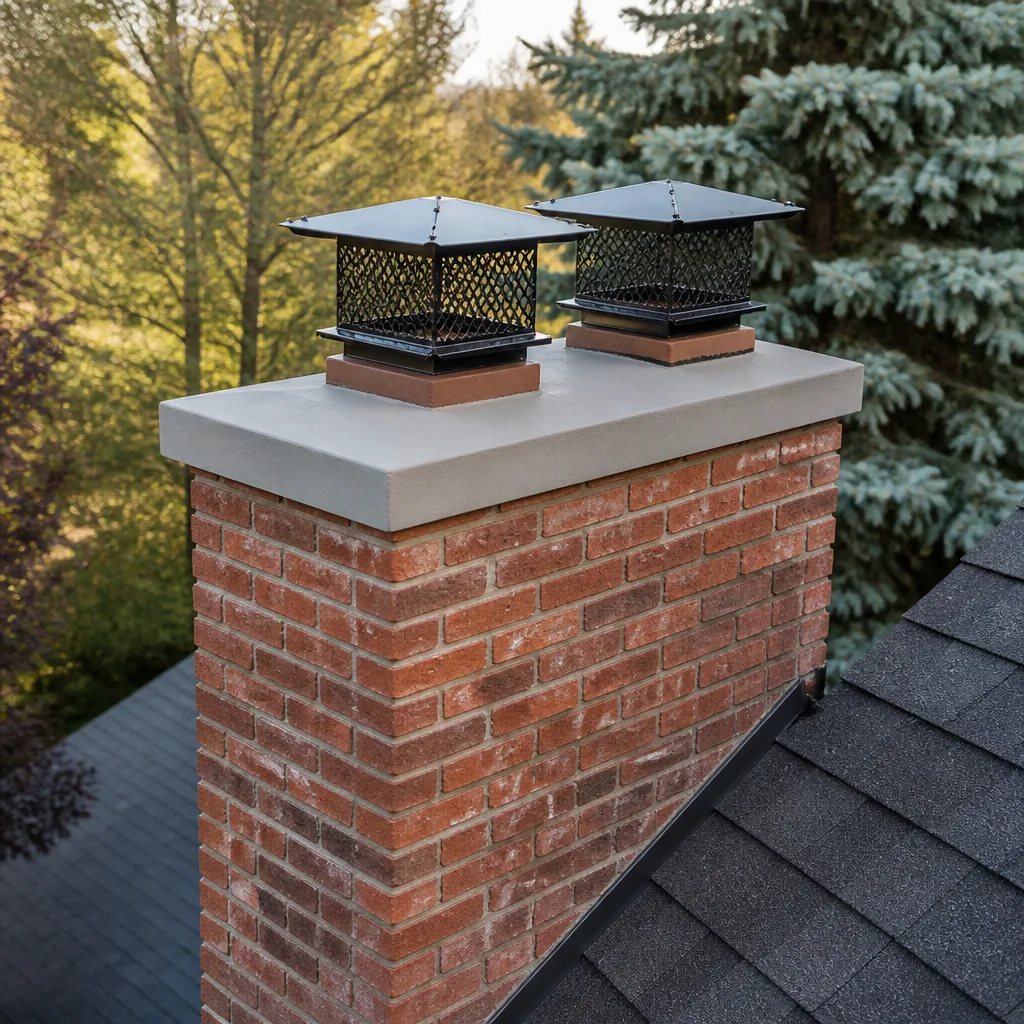 Caps & crowns
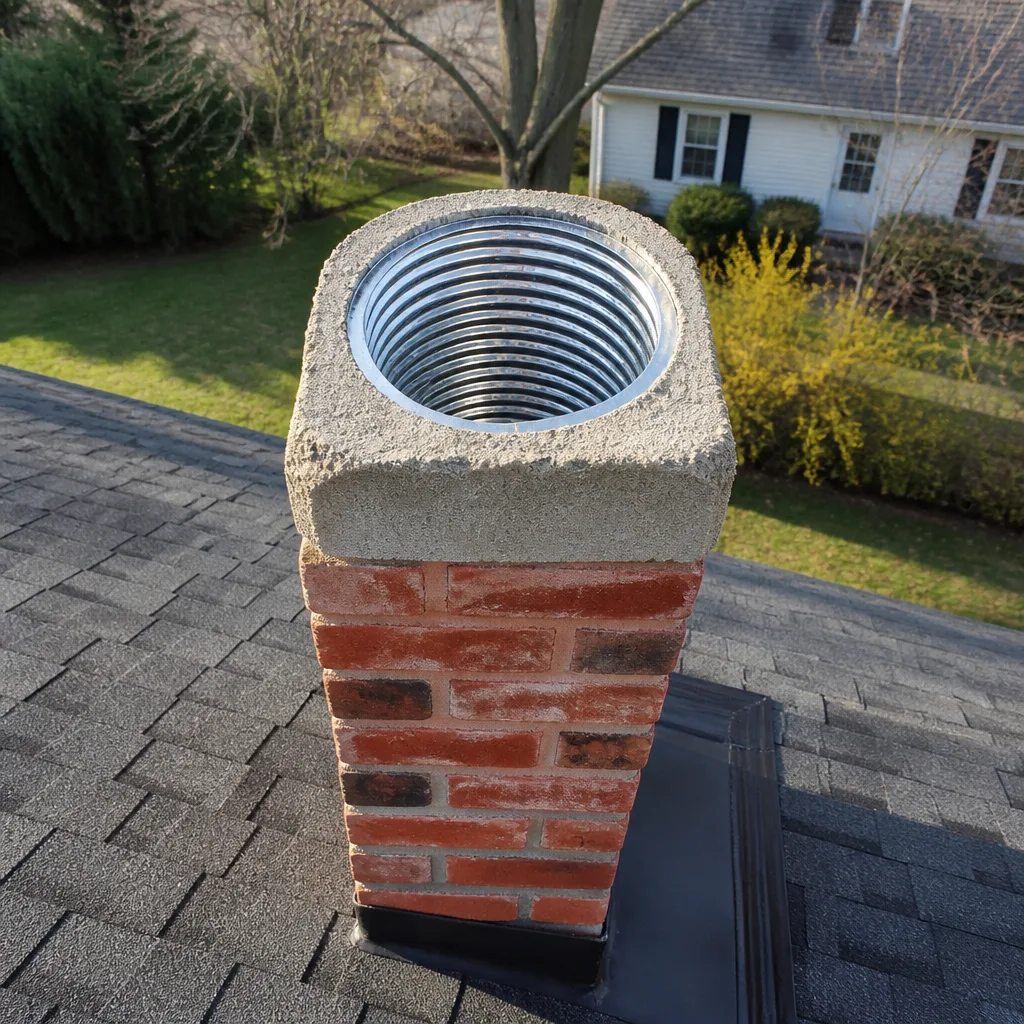 Flue relining
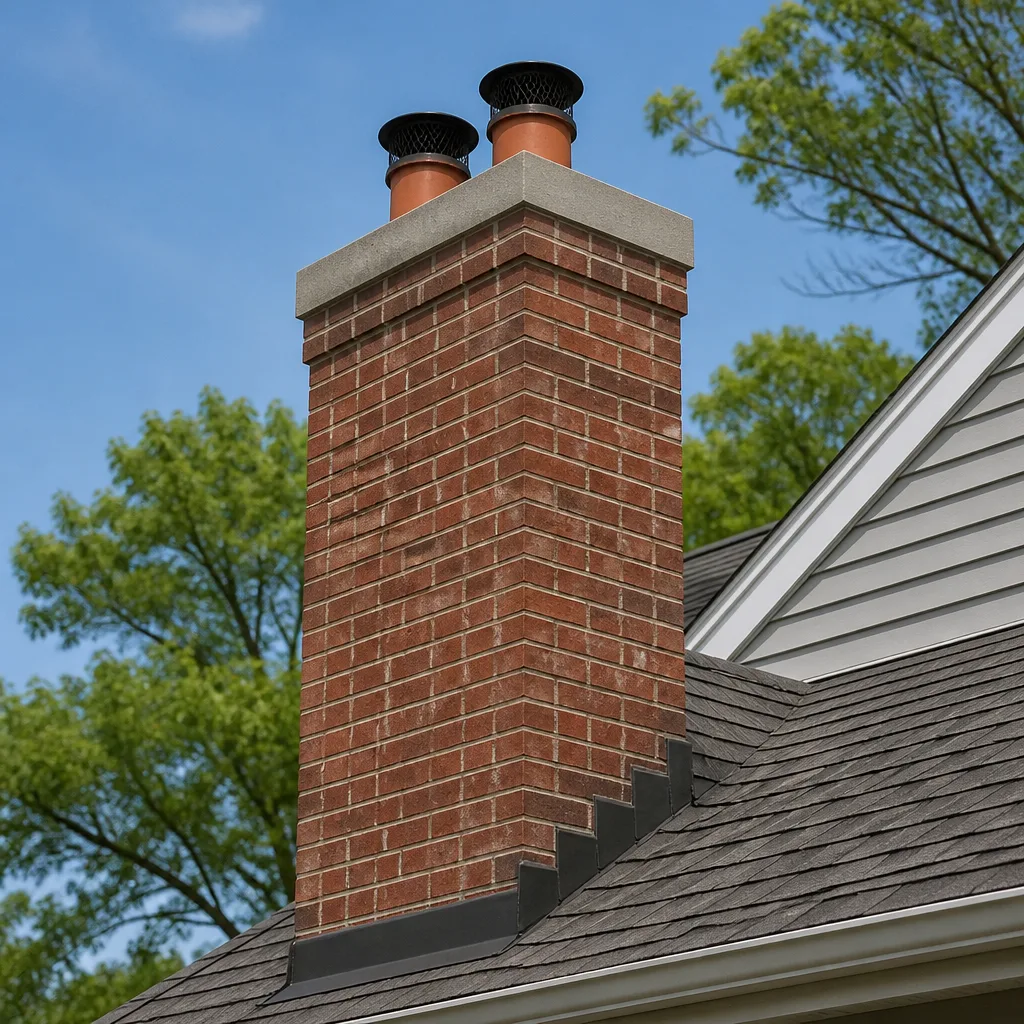 Masonry repair
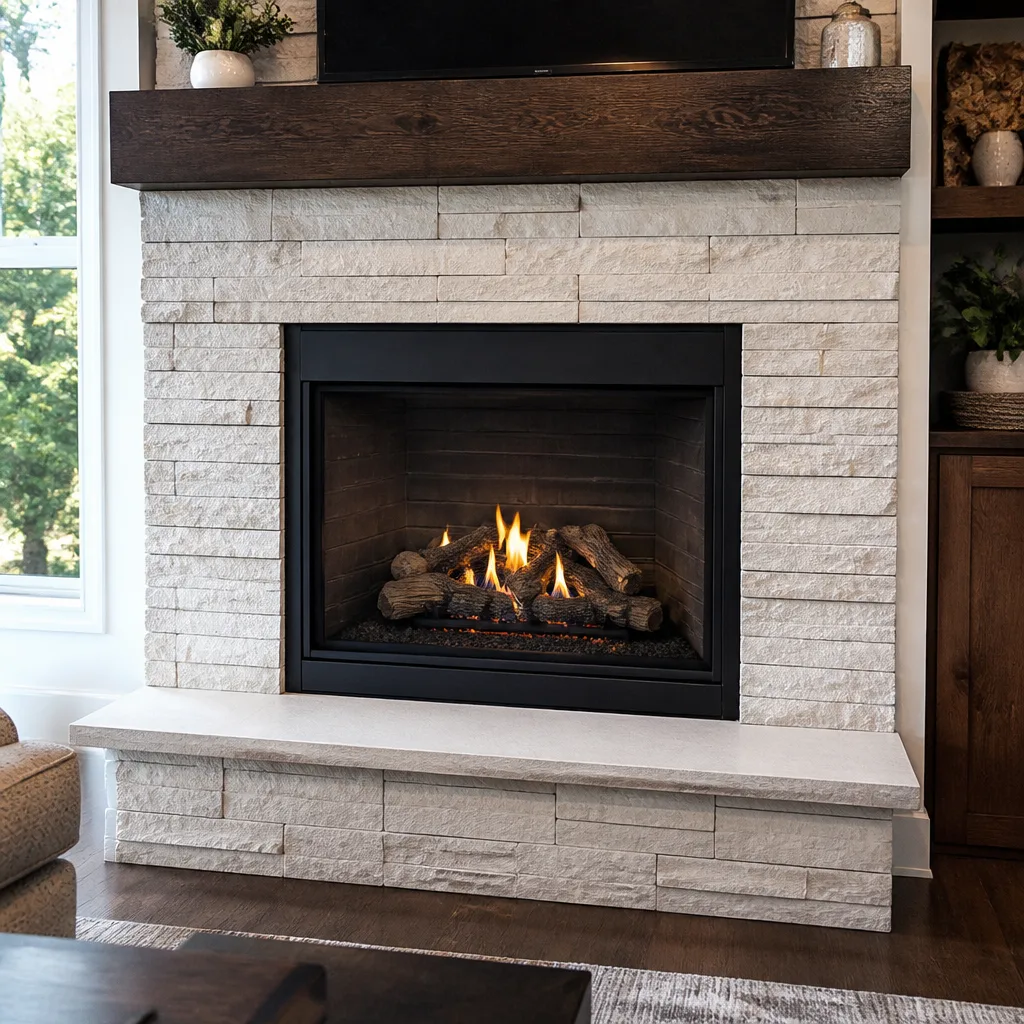 Gas fireplace service
Level 1 sweep and inspection to the NFPA 211 annual standard - flue, crown, cap, and flashing checked and photographed
Chimney sweep logs do not sweep chimneys. They loosen some creosote - which then falls where a brush and vacuum still have to collect it.
Chimney Sweep Troubleshooting in Garden Grove: Common Problems and How to Fix Them
Smoke rolling back into your living room isn’t always a dirty flue. Sometimes it’s a pressure problem created by your whole-house HVAC system, and no amount of sweeping will fix that. That single distinction explains why so many Garden Grove homeowners spend money on a sweep and still watch smoke spill across the hearth. A chimney is a system, and symptoms talk. A slow draw, a stain on the ceiling, a sour smell in July, a crack in the crown: each one points to a specific mechanical cause if you know how to read it. This guide walks through those symptoms the way we do on a job site in Garden Grove, from draft failures to creosote layering to the water intrusion that quietly eats crowns. You’ll learn what you can safely check yourself and what needs a trained eye.
Quick Answer
Most chimney problems in Garden Grove come down to a short list of root causes: a blocked or undersized flue, negative pressure inside the house, water getting in at the cap or crown, and creosote buildup that behaves differently in our mild climate than it does in cold-winter regions. Matching the symptom to the cause is the troubleshooting step that saves money. A smoke-pencil test, a visual check of the cap and crown, and knowing when a problem crosses into “don’t light another fire” territory will tell you whether you’re dealing with a maintenance issue or something that needs a certified inspection before the fireplace goes back into use.
Styles & brands we work with
- Sweep & inspection
- Caps & crowns
- Flue relining
- Masonry repair
- Gas fireplace service
Table of Contents
- The Symptom-to-Cause Matrix: What Each Sign Actually Means
- Smoke Rollback and Slow Draws: Pressure, Blockage, or Undersized Flue?
- How to Distinguish Negative House Pressure From a Blocked Flue
- Why Southern California’s Mild Climate Creates Its Own Creosote Patterns
- Odors and Staining: What They Reveal About Water and Creosote
- Safe DIY Diagnostics You Can Do Before Calling Anyone
- When California Fire Codes Require a Certified Inspection
- Repair Decisions: Restoration, Relining, or Replacement
The Symptom-to-Cause Matrix: What Each Sign Actually Means
Troubleshooting starts with translation. A homeowner reports a symptom; a sweep hears a cause. The matrix below is how we sort the call before anyone touches a brush. Read down the left column until you find your symptom, then look across to the likely mechanical origin. This isn’t a diagnosis you can complete from a list, but it narrows the field fast and tells you whether you’re facing a cleaning job, a pressure problem, or a structural repair.
- Smoke spills into the room when you first light a fire – cold flue that hasn’t warmed, or negative pressure overpowering the draft.
- Smoke rolls back continuously once the fire is burning – blocked flue, undersized flue for the firebox opening, or a competing exhaust fan pulling air down the chimney.
- Fire burns lazily, wood smolders, glass blackens – restricted air supply, a partially closed damper, or a flue that’s too short for the house.
- Sour, campfire smell in warm weather with no fire burning – creosote and soot re-emitting in heat and humidity, often pushed down by pressure changes.
- Dark staining on the chimney breast or ceiling near it – draft reversal pushing smoke out of the firebox seams, or water carrying dissolved creosote through masonry.
- White chalky stains on exterior brick – water migrating through the masonry and evaporating at the surface.
- Rust on the damper, firebox, or cap – water intrusion at the cap or crown.
- Crumbling mortar at the crown or flashing – the entry point itself has failed and needs repair, not just a sweep.
Notice how few of these resolve with a brush alone. In Garden Grove, a large share of the rollback calls we handle trace to pressure or to water, not to soot load. That’s the first thing the matrix does for you: it stops you from buying the wrong service.
Smoke Rollback and Slow Draws: Pressure, Blockage, or Undersized Flue?
Smoke rollback is a draft failure, and draft failures have three families of cause. Either the flue is blocked, the flue is too small or too short for the firebox, or the house is fighting the chimney with pressure. Telling them apart is the whole game.
Blocked flue
A nest, a fallen cap screen packed with debris, a collapsed liner section, or heavy soot glaze can all choke the flue. The tell is consistency: a blocked flue fails every time, in every wind condition, from the moment you light the fire. If the fireplace worked fine last winter and suddenly won’t draw at all, blockage moves to the top of the list.
Undersized or short flue
The flue has to be sized to the firebox opening and tall enough relative to the roofline to establish draft. A fireplace that has always been sluggish, not just this season, may simply be underdrafted by design or by a prior remodel. An addition that raised the roofline near the chimney can change the pressure picture without anyone touching the chimney itself.
Negative house pressure
This is the one most homeowners never consider. Modern Garden Grove houses are tight, and a kitchen exhaust hood, a bathroom fan, a whole-house fan, or a central HVAC return can pull more air out of the house than the chimney can replace. The chimney becomes the easiest place for air to come back in, so it reverses. The tell here is timing: the fireplace draws fine until the dryer starts, the range hood kicks on, or the HVAC system cycles. That pattern is pressure, and sweeping won’t touch it.
If your symptom is intermittent and tied to appliances running, skip straight to the next section. If it’s constant, think blockage or sizing. And if you’re not sure, a chimney inspection is the fastest way to a real answer instead of a guess. Our technicians have up to 12 years of experience reading exactly this kind of pattern.
How to Distinguish Negative House Pressure From a Blocked Flue
You can separate a pressure problem from a blockage without any tools beyond your own house. The sequence below is safe, takes a few minutes, and doesn’t involve climbing on the roof or reaching into the firebox.
- Light a small, clean test fire with dry wood and the damper fully open. Note whether smoke spills in the first two minutes (cold flue) or later once the fire is established (likely pressure or blockage).
- Watch the fire with everything off. If it draws well with no appliances running, the flue itself is probably clear enough to move air.
- Turn on the kitchen exhaust hood and the bathroom fans. If the fire stalls or smoke starts to spill, you’ve found a negative pressure contribution. Repeat with the dryer and the HVAC system.
- Crack a nearby window an inch. If the fire recovers immediately with a window cracked open, you’ve confirmed a pressure problem, not a blockage.
- Listen and smell. A blocked flue often produces a smothered, hollow sound and a flat, sooty smell at the firebox. Pressure problems tend to be about smoke behavior, not odor.
If cracking a window fixes it, the fix isn’t a sweep. It’s providing makeup air, adjusting how the house ventilates, or in some cases correcting the flue termination. That last part is a professional call. A Garden Grove home with a tight envelope and a large open fireplace is a common version of this problem, and it’s one of the reasons we ask about the house before we ask about the fire.
If the window test changes nothing and the fire stays stalled, assume a blockage and stop using the fireplace until it’s inspected.
Why Southern California’s Mild Climate Creates Its Own Creosote Patterns
Creosote doesn’t form the same way here as it does in a cold-winter region, and that changes how you troubleshoot. In cold climates, chimneys run hot for long stretches through a real heating season, and creosote tends to build in recognizable layers based on fire intensity. In Garden Grove, we get mild winters and occasional cool evenings, so many fireplaces run short, cool fires for enjoyment rather than for daily heat. That pattern is the creosote maker.
Cool, short fires and the glaze problem
A fire that burns low and slow, with a smoldering log at the end of the evening, sends cooler smoke up a cooler flue. Cool smoke deposits sticky, unburned creosote that coats the flue rather than burning away. Do that repeatedly over a season and the deposit thickens. When it hardens, you get the glaze that a standard sweep can struggle to remove, and glaze is the fuel behind a chimney fire.
What the season looks like here
Garden Grove fireplaces often sit idle for months, then get used in bursts on cooler nights, then sit again. That use cycle matters for two reasons. First, creosote that forms in a season may not be checked until the next round of fires, so buildup compounds. Second, the long idle period is when stored creosote gets a chance to absorb moisture and release that sour smell. An annual sweep before the burning season keeps that cycle from stacking up.
What this means for troubleshooting
If your flue has heavy, shiny glaze, a standard sweep may not clear it, and you need to know that before you assume you’re clean. That’s a case where liner restoration approaches come in, and where a sweep-only company may hand you a full relining quote instead. Our approach is to inspect first, then recommend the least invasive fix that actually solves the problem.
The practical takeaway: don’t assume a clean-looking fire means a clean flue, and don’t assume a Garden Grove chimney needs the same schedule as a cabin in the mountains. It doesn’t. It needs its own annual check.
Odors and Staining: What They Reveal About Water and Creosote
A fireplace that smells sour in warm weather and a ceiling that stains near the chimney are often the same story told two ways: water is getting into the chimney system and carrying creosote or minerals through the masonry. Odor alone is usually creosote reacting to heat and humidity. Staining suggests moisture is moving through material it shouldn’t.
- Sour or campfire odor, no fire burning – stored creosote and soot releasing in warm, humid air, often pushed into the room by pressure changes. Cleaning helps; solving the source helps more.
- Musty, damp odor – water intrusion. Check the cap and crown.
- White, chalky efflorescence on exterior brick – moisture passing through masonry and evaporating at the surface, leaving mineral deposits.
- Dark stains on interior walls near the chimney – draft reversal pushing sooty air out, or water moving creosote through the wall material.
- Rust on metal components – water sitting where it shouldn’t, usually from a failed cap or crown.
The cap and the crown are the two most common entry points for water, which is why we treat Chimney Cap & Crown work as a preventive specialty, not just a repair we get to after the damage. A cap keeps rain and animals out of the flue. A sound crown sheds water off the top of the chimney instead of letting it soak into the masonry below. When either one fails, water finds the path of least resistance, and that path is usually the inside of the chimney. If you’re seeing any of the signs above, a chimney cap and crown inspection will usually tell you where the water is coming in. That’s a far cheaper conversation than the one you have after years of unnoticed intrusion.
Safe DIY Diagnostics You Can Do Before Calling Anyone
You can gather a surprising amount of useful information without getting on the roof, reaching into the firebox, or touching any component of the chimney system. The steps below are safe. Anything that involves a ladder, the roof, or the inside of the flue is not, and we don’t recommend it to homeowners.
- Do a visual interior check. Look at the firebox, damper, and the first few feet of the flue you can see with a flashlight. Note heavy soot, cracked firebrick, or a damper that won’t open fully.
- Do a smoke-pencil test. Hold a lit incense stick near the open damper with a small fire established. Watch which way the smoke travels. If it’s pulled up, you have draft. If it drifts into the room or hovers, you have a draft problem.
- Run the appliance test from the pressure section above to see whether the flue fails under load from the house’s fans.
- Check the firebox for cracks in the brick or mortar joints. Cracks that let heat through the firebox wall are a structural concern, not a cleaning one.
- Look at the cap and crown from the ground with binoculars. A missing or damaged cap screen, a cracked crown, or obvious rust are all visible from below in most cases.
- Note the smell and the season. Odors in summer are usually creosote. Odors in the wet months are more often water.
What you should never do: climb the roof to peer down the flue, reach up into the flue with a brush, or light a fire to “burn off” creosote. A chimney fire is a genuine hazard, and glazed creosote can ignite from a spark. If your diagnostics point toward heavy buildup, a blockage, or a cracked firebox, stop. Don’t light another fire until a trained professional has looked at it.
When California Fire Codes Require a Certified Inspection
There are situations where the question isn’t whether to inspect, but which kind of inspection satisfies the code. For a homeowner, the practical line is this: any chimney that has had a chimney fire, any chimney that has visible damage to the flue or firebox, and any chimney that’s changing hands as part of a real estate transaction should be inspected before the fireplace is used again. Those situations call for an inspection by a qualified professional, not a homeowner assessment.
When you call, ask what level of inspection the situation needs. A basic visual inspection covers the readily accessible parts of the system and is the right starting point for routine upkeep. A camera inspection goes deeper, into the flue itself, and is what you want when the concern is a hidden crack, a gap in the liner, or heavy glaze you can’t see from the firebox. We include a camera inspection and a photo report on our inspections so you can see what we see instead of taking a recommendation on faith.
Permit rules for chimney and fireplace work vary by jurisdiction and by the scope of the job. Most significant structural work, including relining and major crown replacement, requires a permit in most cities, so ask your city’s building department before work begins and make sure the contractor is handling that. The local pro doing the work should be licensed and insured as their state requires; ask for that before the first appointment.
If you’re in Garden Grove and unsure which level of inspection your situation calls for, a phone conversation is usually enough to sort it out. Call (833) 629-1431. We answer 24/7.
Repair Decisions: Restoration, Relining, or Replacement
Once the diagnosis is clear, the repair choice is usually a matter of how far the damage goes. The instinct to replace the whole liner is correct less often than you’d think, and the instinct to keep sweeping a flue that’s already compromised is wrong more often than homeowners realize. Here’s how we think about it.
When restoration fits
If the liner is intact but glazed, or the flue surface has moderate deterioration that hasn’t compromised the structure, liner restoration can extend the life of the chimney without a full relining. HeatShield is one of the professional-grade products we use for exactly this purpose, and it’s a capability that sweep-only companies generally don’t offer. Restoration is often the right answer for a chimney that a less specialized company would have recommended replacing wholesale.
When relining fits
If the liner has cracks, gaps, or sections that have failed, the flue needs a new liner. DuraFlex is one of the liner systems we install, and it’s a professional-grade product, not a hardware-store substitute. A proper relining job is sized to the appliance and installed to spec, and it’s the fix that actually restores the safe path for exhaust.
When replacement fits
When the masonry structure itself has failed, or when the firebox or crown damage has gone beyond what restoration can safely address, replacement of the affected components is the honest recommendation. Getting there without overselling is the whole point of the camera inspection and photo report.
The brands we work with are the ones certified professionals trust nationwide, including DuraFlex, HeatShield, Gelco, and Olympia Chimney. We don’t carry whatever’s on the shelf at the big-box store. We also don’t recommend work that isn’t supported by the evidence we can show you, and we’ll tell you plainly when a problem can safely wait.
Common Mistakes to Avoid
- Assuming every smoke problem is a dirty flue. Many Garden Grove rollback calls are pressure problems, and a sweep won’t fix those. Run the window and appliance tests before you book a cleaning.
- Burning “seasoned” wood that isn’t actually dry. Wet wood produces more creosote, and in our mild, short-fire climate that creosote glazes rather than burns away. Dry wood is the cheapest creosote fix there is.
- Skipping the annual sweep because the fireplace “barely gets used.” Light, occasional use is exactly the use pattern that builds sticky creosote here. A single annual check keeps it from stacking.
- Ignoring the cap and crown until water shows up inside. These are the two most common water entry points, and catching them early is far cheaper than repairing the damage after the fact.
- Lighting a fire to “burn off” creosote. That’s how chimney fires start. Glazed creosote can ignite from a spark, and this is not a DIY fix.
- Cracking a window to “solve” rollback permanently. Cracking the window is a diagnostic, not a fix. If it works, the pressure problem still needs addressing.
- Accepting a relining quote without seeing the inside of the flue. You should be shown camera evidence of the problem before you agree to any structural repair. If you can’t see it, ask why.
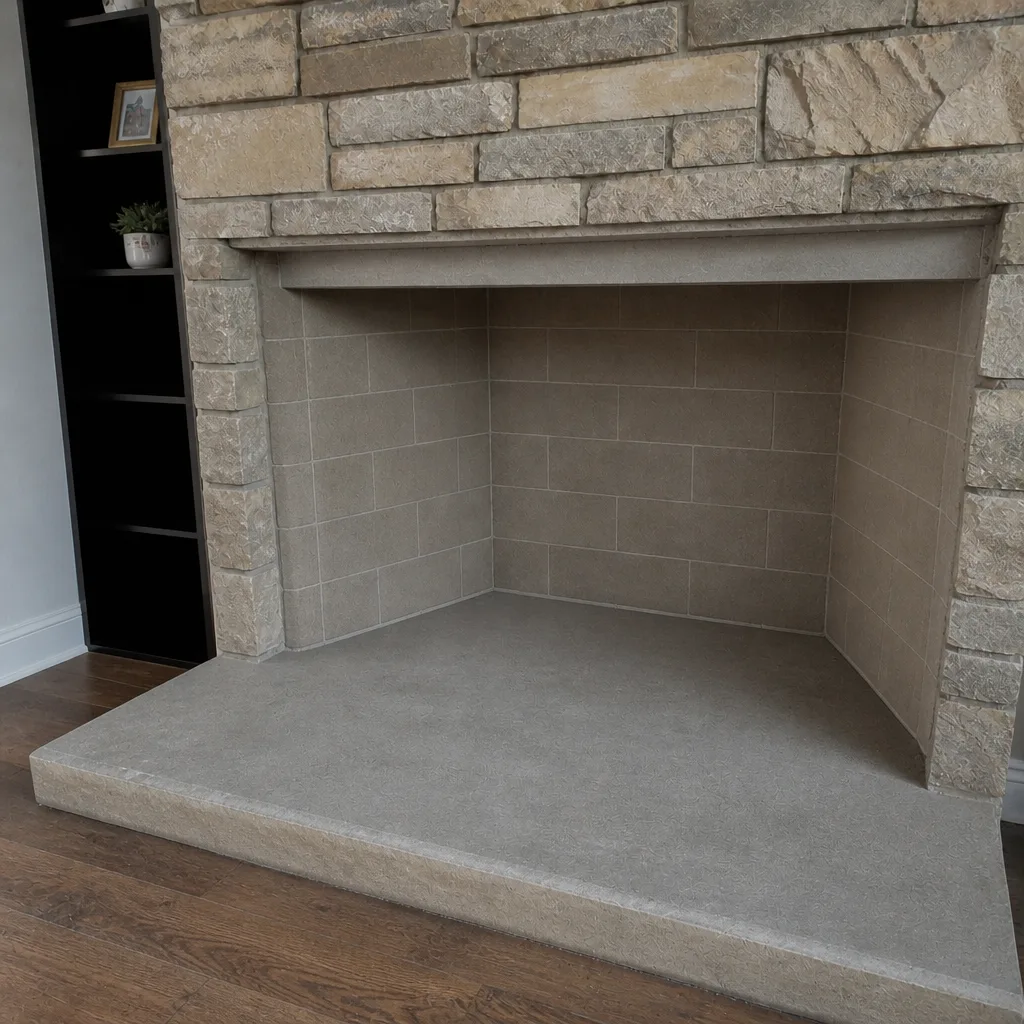
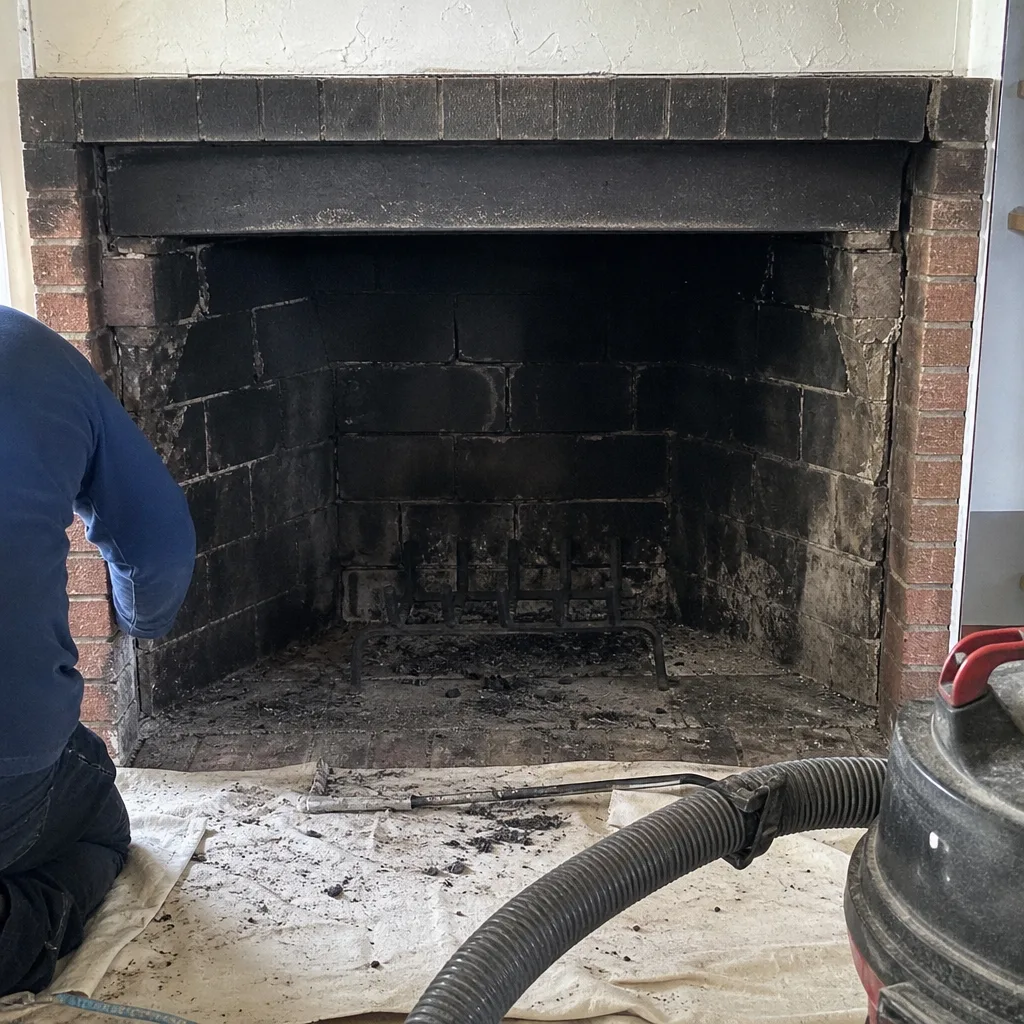
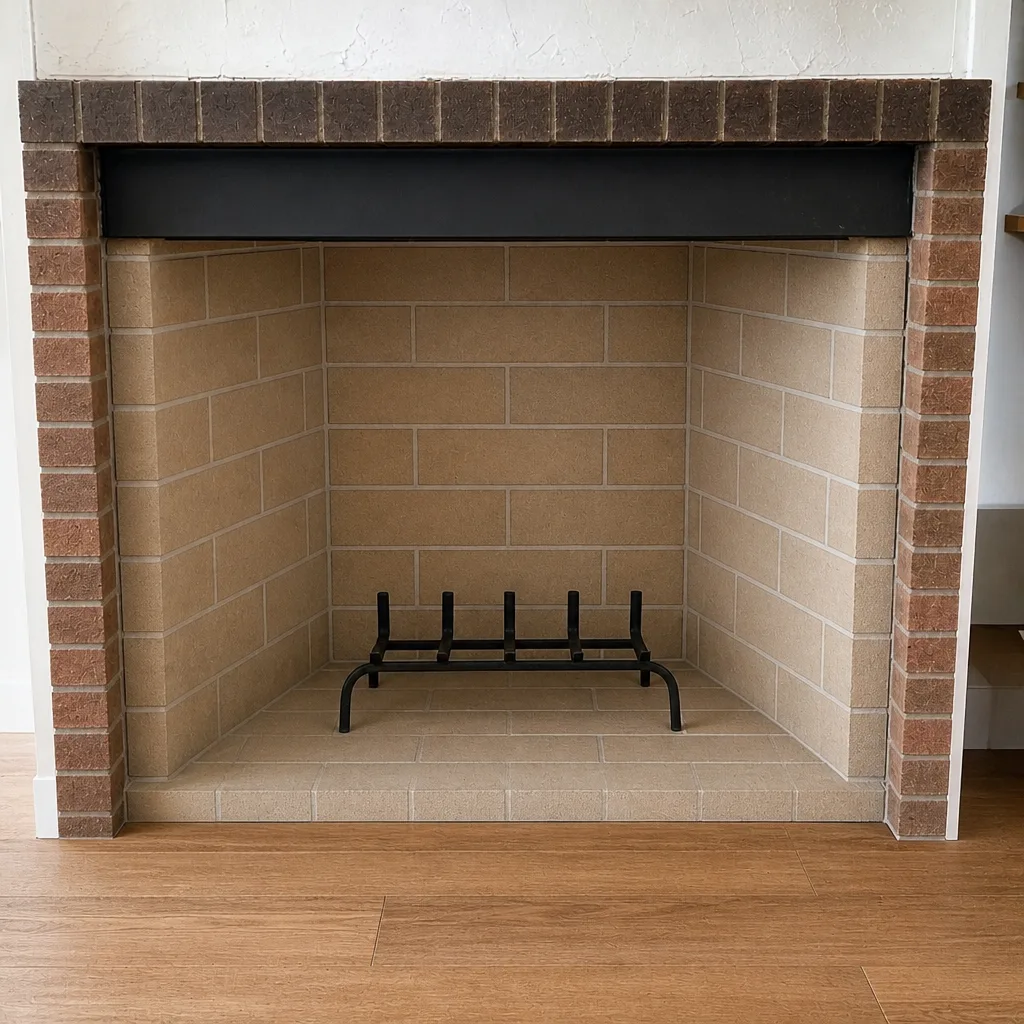
See the difference
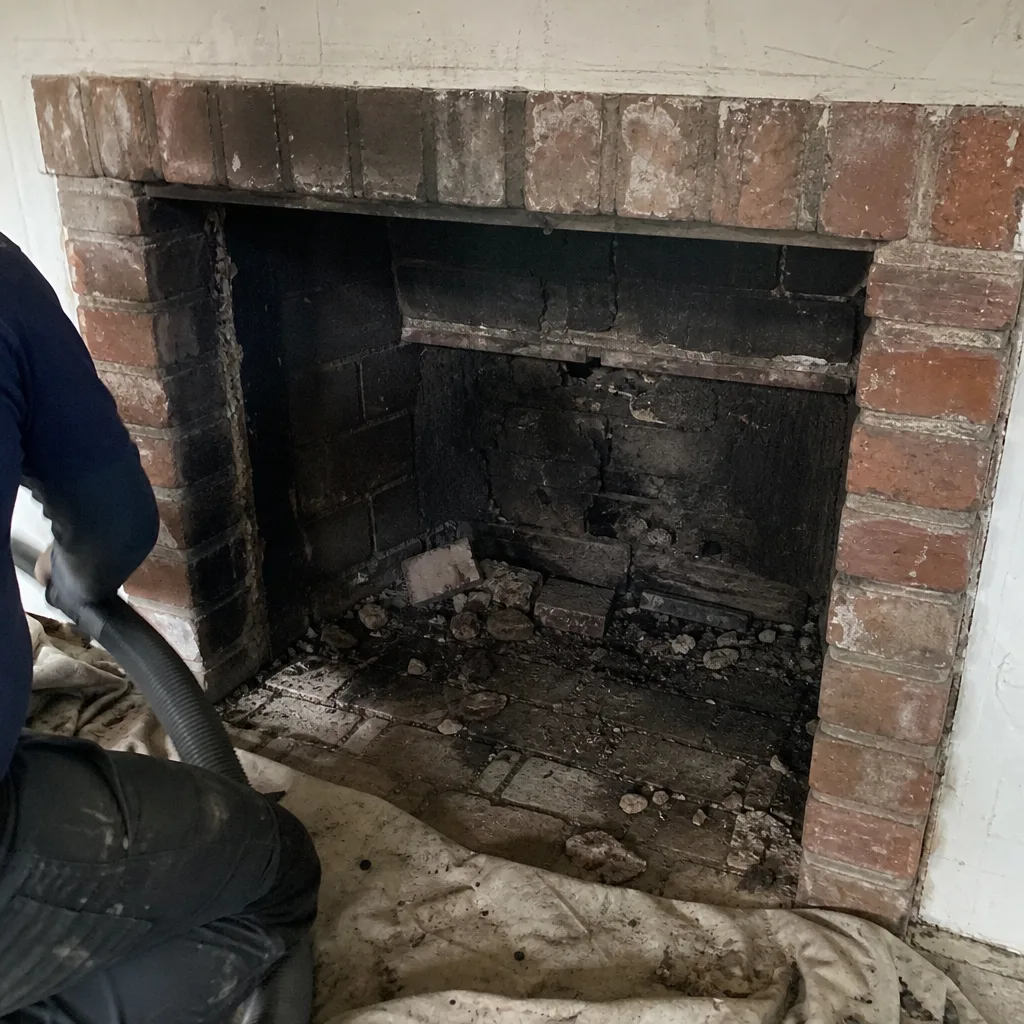 Before
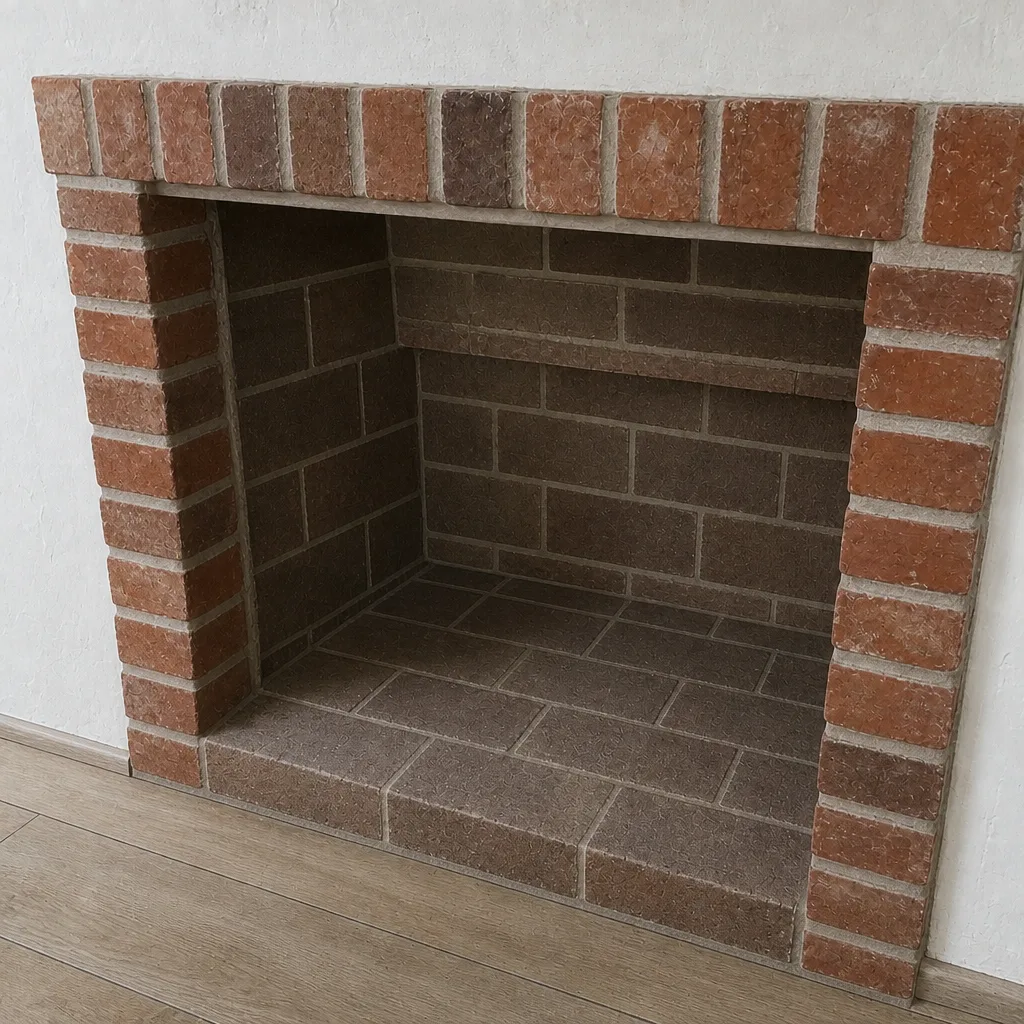 After
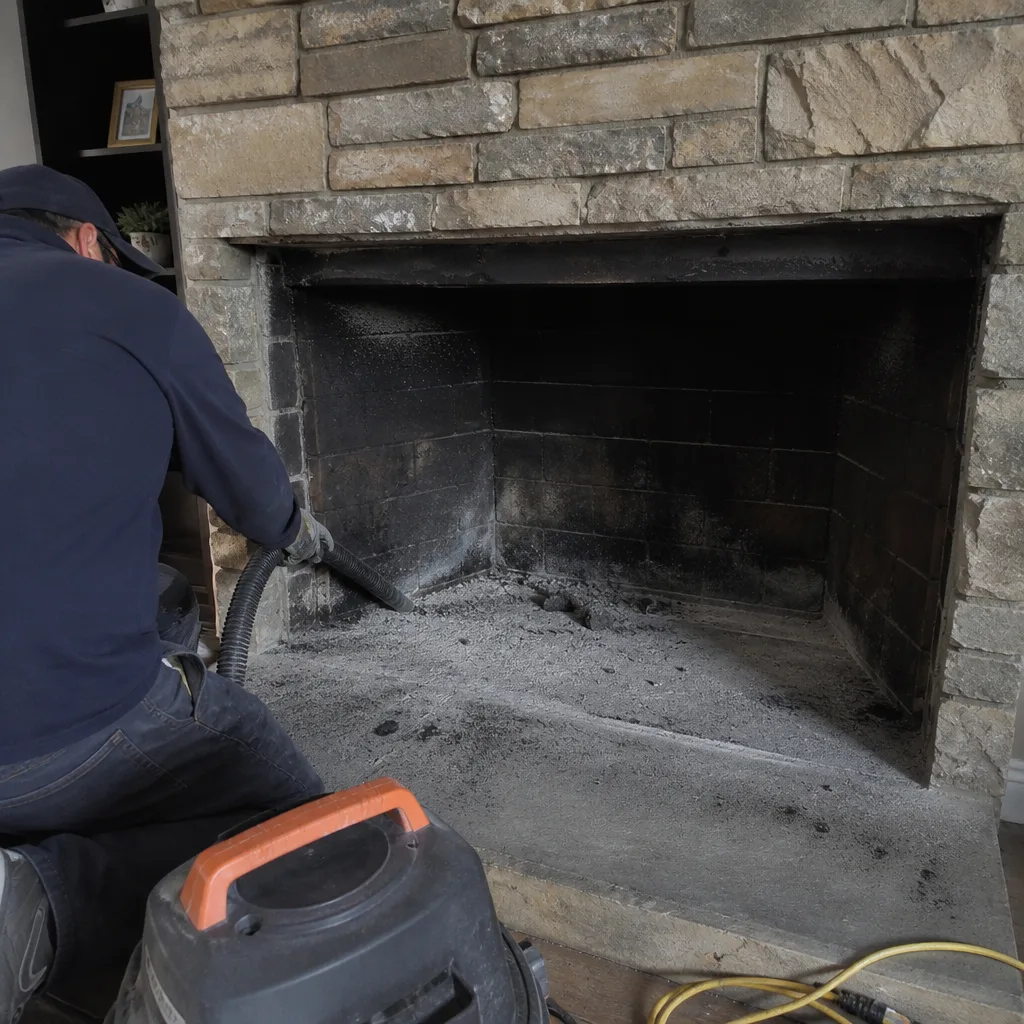 Before
 After
 Before
 After
When to Call a Professional
Call a professional when the symptom you can’t safely diagnose involves the flue itself, the firebox structure, or the top of the chimney. Specifically: any smoke rollback that doesn’t resolve when you crack a window, any visible crack in the firebox or flue, any chimney that has had a chimney fire, heavy glaze you can see or suspect, water staining inside the house, a damaged cap or crown, or an annual sweep that’s overdue. Those are situations where a trained eye, a camera inspection, and a clear written report save you from guessing. If you’re in Garden Grove and any of those applies, Garden Grove Chimney Sweep Pros offers free estimates, bundles inspection, sweep, and repair under one company, and works with professional-grade products including DuraFlex, HeatShield, and Olympia Chimney. Call (833) 629-1431. We answer 24/7. Fast dispatch from 7am to 7pm, Sunday through Friday.
Frequently Asked Questions
Smoke coming into the house is a draft failure, and the three usual causes are a blocked flue, an undersized or short flue, or negative house pressure pulling air down the chimney. Test the pressure cause first by cracking a window and running the kitchen hood; if the smoke clears, it’s pressure, not blockage. Call (833) 629-1431 for an inspection if the test doesn’t resolve it.
Once a year is the standard recommendation for a wood-burning fireplace, and in Garden Grove the mild climate makes it more important, not less. Short, cool fires deposit sticky creosote that doesn’t burn off the way it does in a cold-winter heating season. Book the sweep before the burning season starts so buildup doesn’t stack across years.
You need a new liner when the flue has cracks, gap failure, or sections that have lost structural integrity, not just when it’s dirty. Ask to see the camera footage and ask whether liner restoration with a product like HeatShield is an option before full relining. A specialist should be able to show you the evidence and explain why restoration won’t work if it won’t.
Creosote accumulates whether or not you notice it, and glazed creosote is the fuel behind chimney fires. Skipping maintenance also gives water intrusion time to move through the masonry, which turns a cheap cap or crown repair into a structural repair. Both problems are cheap to catch in an inspection and expensive to catch late.
You can safely run interior visual checks, a smoke-pencil test, the appliance load test, and a binocular look at the cap and crown from the ground. Anything that involves the roof, the inside of the flue, or the firebox structure is a professional job, and lighting a fire to burn off creosote is dangerous. Call (833) 629-1431 when your DIY check points to the flue.
A sour or campfire smell in warm weather with no fire burning is usually creosote and soot re-emitting in heat and humidity, often pushed into the room by pressure changes. A musty smell is more likely water intrusion, which points at the cap or crown. Both are worth an inspection. Call (833) 629-1431 for an estimate.
The Bottom Line
Chimney troubleshooting in Garden Grove works best when you start with the symptom and work back to the cause. Smoke rollback that clears when you crack a window is a pressure problem, not a dirty flue. Creosote in our mild climate glazes and stacks rather than burning off, so the annual sweep earns its keep. Odors and staining almost always trace to the cap and crown, the two entry points water uses first. And when the flue itself is compromised, restoration with HeatShield or a proper relining with DuraFlex is a real decision, not a foregone conclusion. See the evidence before you agree to work, get a written estimate before anything starts, and don’t light another fire until a real problem has been checked. One company handling the sweep, the inspection, the repair, and the cap means no handoffs and no gaps.
Ready to stop guessing? Call (833) 629-1431 for a free estimate from Garden Grove Chimney Sweep Pros. We answer 24/7. Fast dispatch from 7am to 7pm, Sunday through Friday. Our technicians have up to 12 years of experience, we perform a camera inspection and photo report so you can see what we see, and we’ll tell you plainly when a problem can safely wait. Whether you need a routine chimney sweep, a diagnosis for smoke rollback, fireplace repair for a damaged firebox, or chimney repair for water damage at the crown, one call books it. Estimates are free.
Written by the team at Garden Grove Chimney Sweep Pros.