
Last updated November 23, 2026
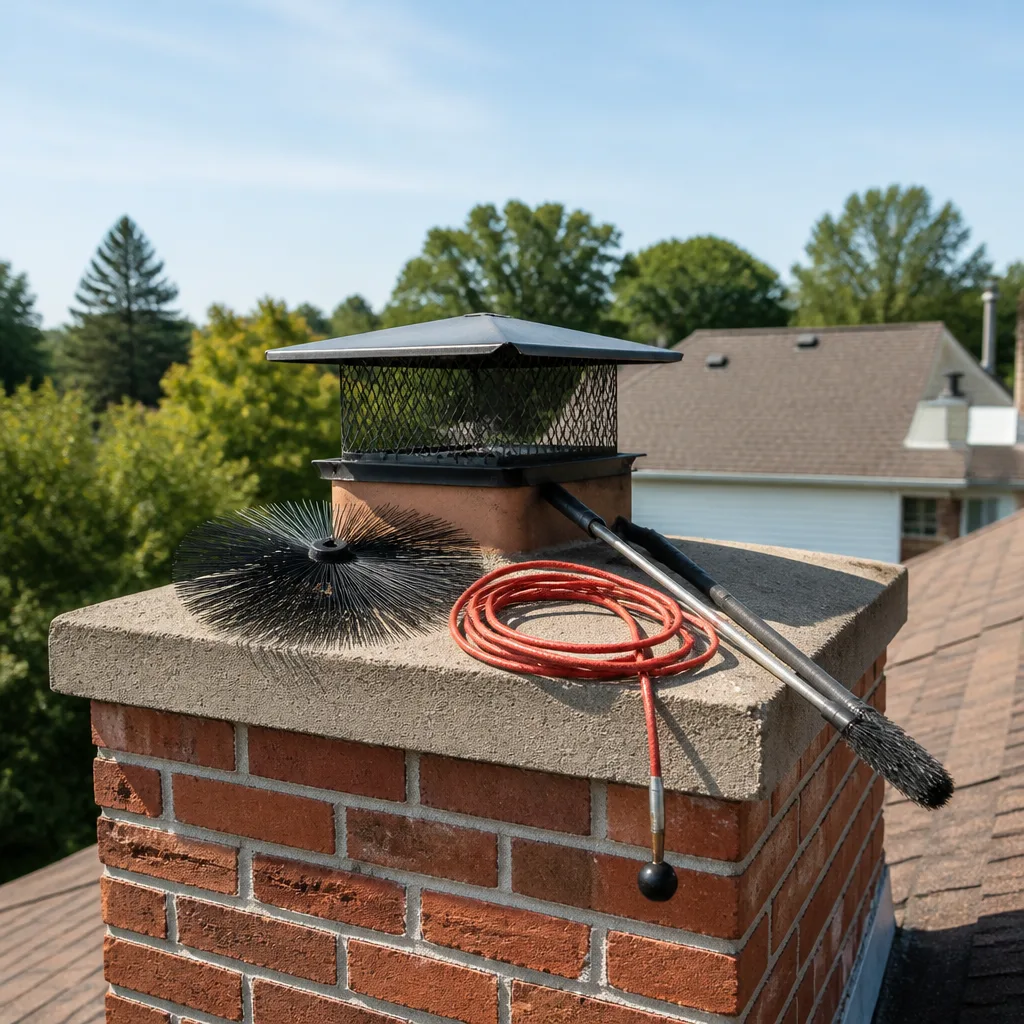 Sweep & inspection
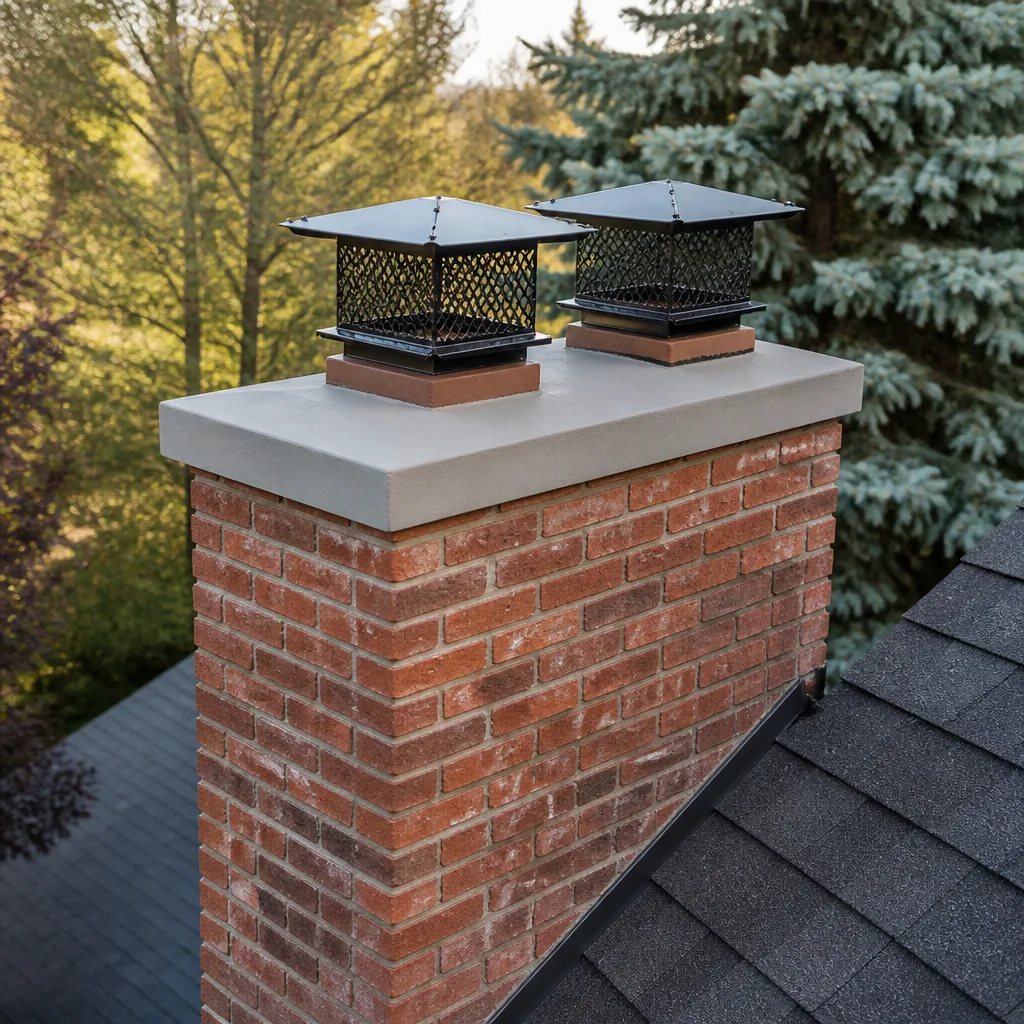 Caps & crowns
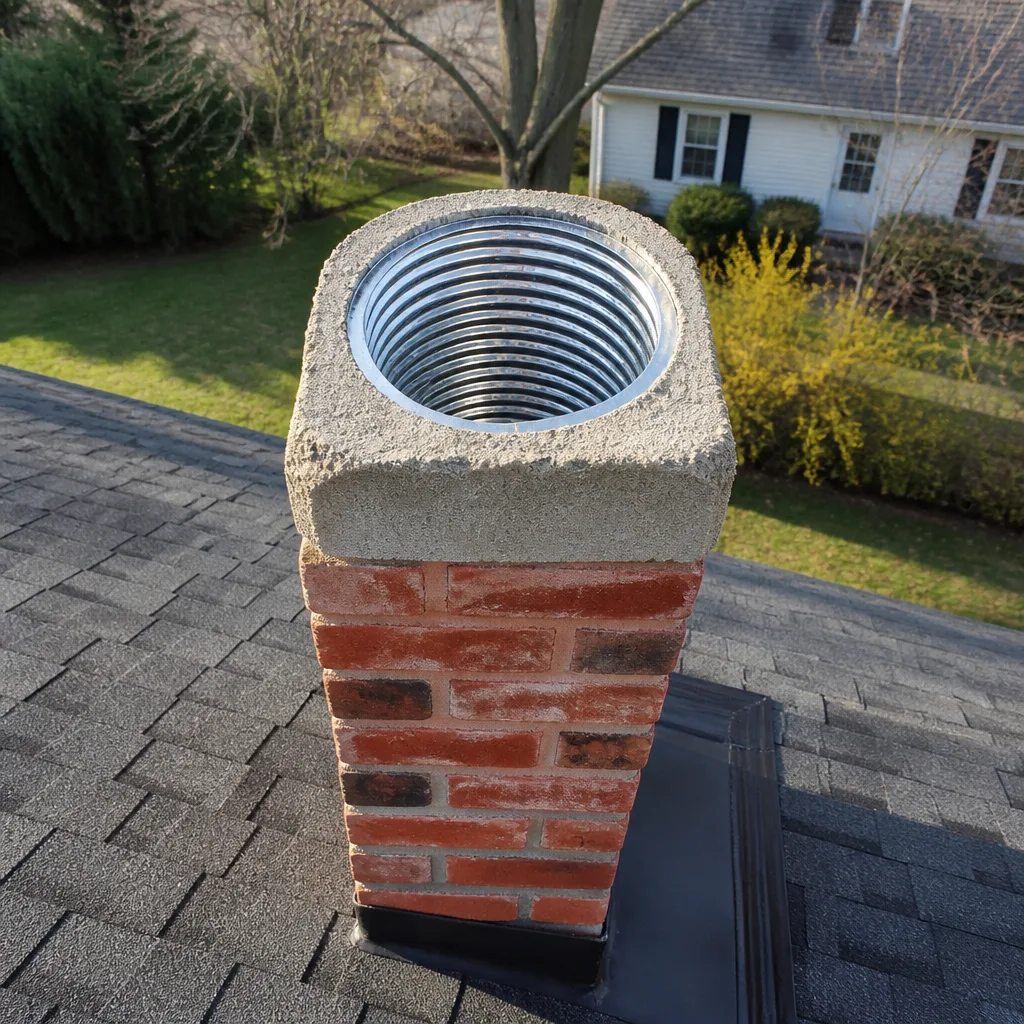 Flue relining
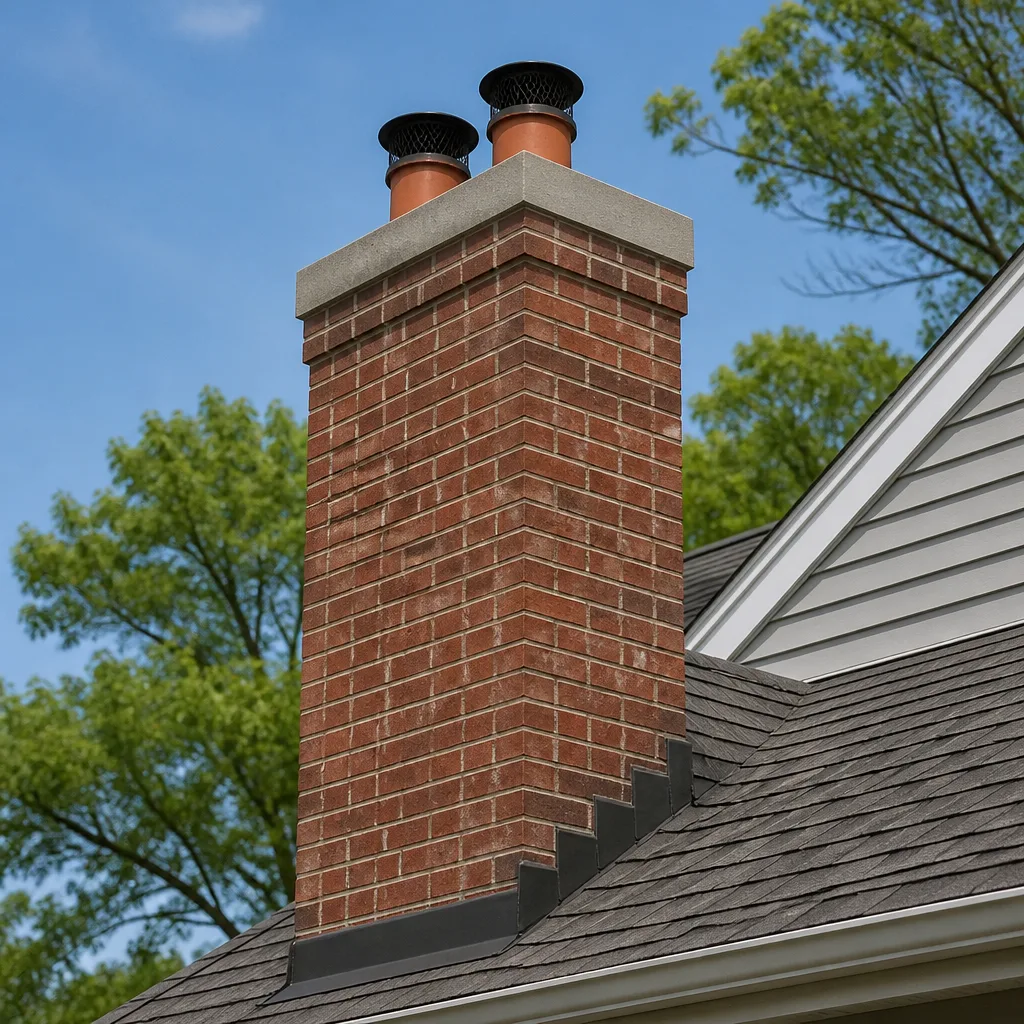 Masonry repair
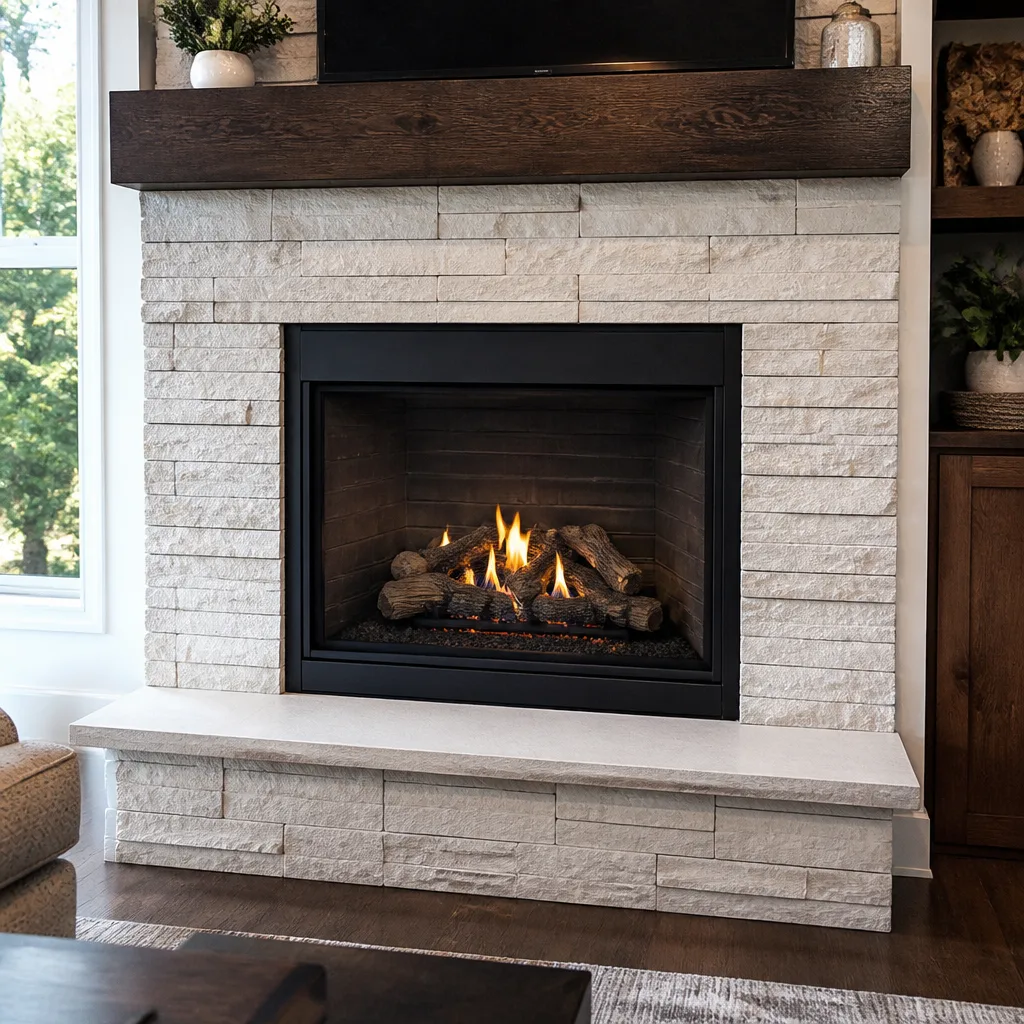 Gas fireplace service
Level 1 sweep and inspection to the NFPA 211 annual standard - flue, crown, cap, and flashing checked and photographed
Chimney sweep logs do not sweep chimneys. They loosen some creosote - which then falls where a brush and vacuum still have to collect it.
Chimney Cleaning Permits, Codes & Inspections in Garden Grove, CA: What You Need to Know
Here’s the part most homeowners never hear at the point of sale: a chimney liner installed without a permit can put your fire-damage coverage at risk. Insurance carriers look closely at how a system was built when a claim involves the flue, and paperwork is the first thing they ask for. Most people assume chimney work is all “maintenance” and none of it touches the building department. That’s wrong in specific, predictable ways. In this guide we walk through exactly when the City of Garden Grove requires a permit for chimney and fireplace work, when it doesn’t, what NFPA 211 expects, and how an inspection report protects you at resale. Garden Grove homeowners who read this will know what to ask before anyone starts work.
Quick Answer
In Garden Grove, routine chimney cleaning does not require a permit, but structural work does: new liner installations, firebox rebuilds, chimney reconstruction, and any change to clearances or flue configuration typically require a permit from the City of Garden Grove Building & Safety Division. A Level 2 inspection is the documentation most insurance carriers and real estate transactions expect, and it does not require a permit itself. When in doubt, ask your city’s building department before work starts, and ask your chimney contractor for a written scope that says whether a permit is included.
Styles & brands we work with
- Sweep & inspection
- Caps & crowns
- Flue relining
- Masonry repair
- Gas fireplace service
Table of Contents
- What Requires a Permit in Garden Grove (and What Doesn’t)
- Repair vs. Alteration vs. New Installation Under Local Code
- How California’s Title 24 Energy Code Affects Chimney Work
- NFPA 211: The Standard Garden Grove Inspectors Reference
- The Insurance Documentation Angle Nobody Mentions
- What a Level 2 Inspection Report Provides (and Why It Matters)
- Before a Garden Grove Home Sale: What to Have Ready
- Common Mistakes to Avoid
What Requires a Permit in Garden Grove (and What Doesn’t)
The clearest way to think about it: cleaning is maintenance, repair that changes the system is construction. A standard chimney sweep removes creosote and soot and doesn’t touch the structure, so no permit is involved. The moment work alters how the chimney is built, the building department gets a say.
Based on how the City of Garden Grove Building & Safety Division typically handles residential chimney work, these tasks generally require a permit:
- New liner installation – a stainless liner dropped into an existing flue changes the flue’s effective size and requires listed components and proper clearances.
- Firebox rebuilds – reconstructing masonry or replacing a prefabricated firebox assembly.
- Chimney reconstruction – rebuilding above the roofline, replacing a damaged crown with structural work, or repointing that involves removing and resetting masonry.
- Any change to flue configuration – adding a flue, capping one off, or connecting a new appliance.
- Clearance corrections – moving a chimney or appliance to meet required separation from combustibles.
These typically do not require a permit:
- Standard chimney sweeping and creosote removal.
- Level 1, Level 2, and Level 3 inspections.
- Capping the flue with a listed chimney cap, when no structural change is involved.
- Replacing a crown with like-for-like materials where the underlying masonry stays intact.
- Minor fireplace repairs like damper hardware, screen replacement, or firebox mortar touch-ups.
We work on chimneys only, so we’ve had this conversation hundreds of times. The safest habit is to ask the question before the work is scheduled, not after. Rules also shift by project, so confirm with the City of Garden Grove Building & Safety Division directly. If a contractor tells you “we never pull permits for liners,” that’s worth a second conversation.
Repair vs. Alteration vs. New Installation Under Local Code
Building departments draw lines between repair, alteration, and new installation because each category triggers different levels of oversight. Knowing the difference keeps a Garden Grove homeowner from either skipping a required permit or paying for one they don’t need.
Repair restores something to its original condition. Replacing a few spalled bricks with matching units, repointing joints, patching firebox mortar, or reseating a chimney cap falls into this bucket in most cases. No permit in most scenarios.
Alteration changes the system without replacing it. Relining a flue with a new stainless liner is an alteration because the flue diameter and material change. So is adding a liner for a new appliance or modifying the smoke chamber geometry. These typically require a permit and an inspection after the work is complete.
New installation means a chimney or fireplace that didn’t exist before, or a full replacement of one. That’s a permit and inspection cycle from start to finish, and the inspection happens at defined points so the inspector can see components before they’re covered.
A note on restoration products: HeatShield is a resurfacing system that rebuilds a damaged flue interior without removing the existing liner. Depending on the scope, a HeatShield application may sit on either side of the permit line. That’s exactly the kind of job where you want a written scope that names the method and confirms with the building department whether a permit applies. We’d rather ask the question up front than discover the answer during a sale.
For homeowners in Garden Grove neighborhoods like West Garden Grove, Buena Park-adjacent blocks, and the older streets near the historic downtown, pre-war and mid-century housing stock often has chimneys that have been modified more than once. Layers of past work make the repair vs. alteration call harder, and that’s when a Level 2 inspection pays for itself.
How California’s Title 24 Energy Code Affects Chimney Work
Title 24 is California’s building energy efficiency code, and it applies to chimney and fireplace work in ways most homeowners don’t expect. Two points matter most in Garden Grove.
First, when a fireplace is altered or replaced as part of a larger remodel, Title 24 requires that the new assembly meet specific air-sealing and combustion-air requirements. The gasketing, damper design, and outside combustion-air supply all have to be specified correctly. A liner chosen for the wrong appliance, or a firebox sealed without the correct combustion-air path, creates a real safety issue, not just a code violation.
Second, Title 24 shapes the products contractors reach for. Many modern fireplace and liner systems – DuraFlex liner assemblies among them – are engineered with listed clearances and dimensions that satisfy both the mechanical code and Title 24. Hardware-store generic liners typically are not. This is precisely why we work with professional-grade materials rather than whatever a home center stocks: the paperwork trail matters as much as the steel when an inspector or an insurer asks.
Practically, this means:
- Ask your contractor which standard the appliance is listed to and which Title 24 requirements they’ll address.
- Request the product data sheet for any liner or firebox component.
- Keep a copy in your home file, alongside the permit and inspection card.
- If a liner was installed before you owned the home, have an inspection done and get the report written down.
California homeowners who sell are usually asked to disclose whether work was permitted. If the work was never permitted, the buyer’s inspector will find it eventually. Getting ahead of that with documentation is worth far more than finding out at closing.
NFPA 211: The Standard Garden Grove Inspectors Reference
NFPA 211 is the National Fire Protection Association’s standard for chimneys, fireplaces, vents, and solid fuel-burning appliances. When a Garden Grove building inspector evaluates chimney work, NFPA 211 is the baseline they reference. Three requirements come up most often.
- Clearances to combustibles. The standard defines how far wood framing and other combustibles must sit from a chimney or flue. Older homes often have chimneys installed with reduced clearances from a time before the requirement was tightened. That’s a fix, but a fix that should be made correctly with the correct materials.
- Liner integrity. The flue liner must be continuous and free of cracks, gaps, or missing sections. A compromised liner allows heat and gases to contact the chimney’s exterior structure – the condition behind a large share of chimney fires.
- Proper venting and flue sizing. The chimney must be correctly sized for the appliance it serves. Oversized flues cool too much and draft poorly; undersized flues back up smoke. NFPA 211 gives inspectors and contractors a shared language for that conversation.
What that means for a Garden Grove homeowner: if a contractor proposes a repair that changes the flue, ask how the finished work will comply with NFPA 211. A qualified chimney specialist can answer without hesitating. Someone splitting their time between roofing, HVAC, and general contracting often can’t.
We use these standards on every job, whether it’s a routine sweep or a full chimney repair. The standard isn’t optional; it’s what keeps you, your house, and your insurance claim intact.
The Insurance Documentation Angle Nobody Mentions
Here’s the part that surprises homeowners most. Your homeowner’s policy doesn’t necessarily cover fire damage tied to a chimney that was installed improperly or without required permits. The clause varies by carrier, but the pattern is consistent: insurer asks how the system was built, who built it, and what documents exist.
What a carrier typically wants to see after chimney work:
- The permit application and final inspection record from the City of Garden Grove Building & Safety Division.
- An invoice or contract that names the work performed and the materials used.
- A chimney inspection report from a qualified specialist, particularly a Level 2 report if the work involved a liner or structural change.
- Product documentation for any liner, cap, or firebox component installed.
We’ve seen claims go sideways when a homeowner can produce an invoice but no permit and no report. That’s an ugly surprise in the middle of a fire claim. If you’re scheduling a liner installation or a chimney repair in Garden Grove, plan on keeping the paperwork together in one place. If the work is ever inspected or claimed against, the file is what protects you.
If you’ve bought a home in Garden Grove where the chimney work history is unclear, the safe move is an inspection now, not when a claim is on the table. The report you have is worth far more than the report you don’t.
What a Level 2 Inspection Report Provides (and Why It Matters)
A Level 2 inspection is a comprehensive examination of the chimney’s accessible components, typically via camera, and it produces a written report of the findings. It’s the appropriate level when you’re buying or selling a home, changing the fuel type or appliance, or after a chimney fire or structural event.
What the report usually includes:
- Written observations of the flue interior, firebox, smoke chamber, damper, cap, crown, and visible exterior masonry.
- Photographic documentation of defects like cracks, spalling, gaps, or improper connections.
- Clearance observations relative to NFPA 211.
- A recommendation set – what’s urgent, what can wait, and what’s routine maintenance.
For Garden Grove homeowners preparing to sell – particularly in older neighborhoods where the chimney may have seen decades of use and modification – the Level 2 report is often the document that resolves buyer questions before they become buyer concerns. It’s not a legal requirement under California’s transfer disclosure practice, but it answers the questions the disclosure form raises.
What it isn’t: a Level 2 inspection isn’t a warranty, and it doesn’t replace the building permit process. It’s the diagnostic and documentation layer, and it’s what makes good decisions possible before and after the work.
If your chimney hasn’t been inspected in several years and you’re unsure what past work involved, that’s the case for a report. It gives you, your insurer, and any future buyer the same page of facts.
Before a Garden Grove Home Sale: What to Have Ready
Chimney paperwork is one of the quieter friction points in a Garden Grove home sale. Most of the time, it’s resolved by having the right documents in hand before the buyer’s inspector shows up.
What to assemble:
- Any permits pulled for past chimney or fireplace work, plus the final inspection card from the city.
- Invoices and contracts showing materials and scope.
- A recent Level 2 inspection report if a fireplace or wood-burning appliance is part of the sale.
- Product data sheets for any liner or firebox components installed.
If some of that file is missing, a current inspection closes the gap. What buyers and their inspectors want to know is simple: is this chimney safe to use, and has the work on it been done to standard? An inspection is the fastest way to answer both.
Common Mistakes to Avoid
- Assuming all chimney work is permit-free. If a contractor says “no permit needed” for a liner or firebox rebuild in Garden Grove, ask them to put that in writing and confirm with the city before signing.
- Confusing a sweep with an inspection. A sweep cleans; an inspection reports. The two are different tasks and should be billed separately with a written scope for each.
- Not keeping the paperwork from past work. Decades of clean invoices and permits are the best insurance you own if a future claim involves the chimney. Start a fire file today.
- Skipping a Level 2 inspection before listing a house. The buyer’s inspector will ask about the chimney. Answering with a report is far better than answering with “we think it’s fine.”
- Using hardware-store generic liners for a permitted install. Listed components like DuraFlex and Gelco assemblies are what inspectors expect to see specified on a permitted job.
- Ignoring clearance issues because the chimney still drafts. Poor clearances to combustibles are a fire-safety problem regardless of how well the chimney pulls. Fix them once, correctly.
- Hiring a contractor who treats chimney work as a side job. Code compliance and NFPA 211 conformance are the entire daily focus of a chimney-specialty company. Splitting that focus across roofing and HVAC shows in the paperwork.
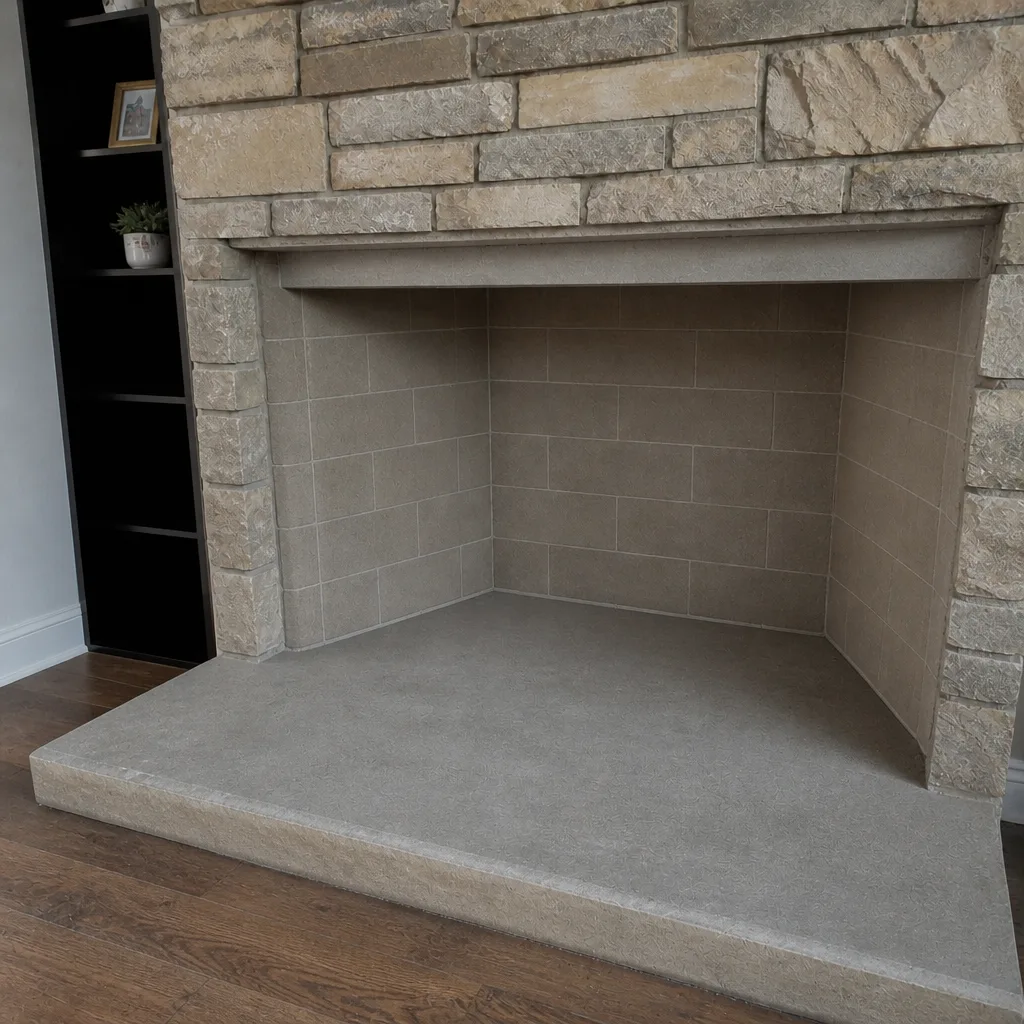
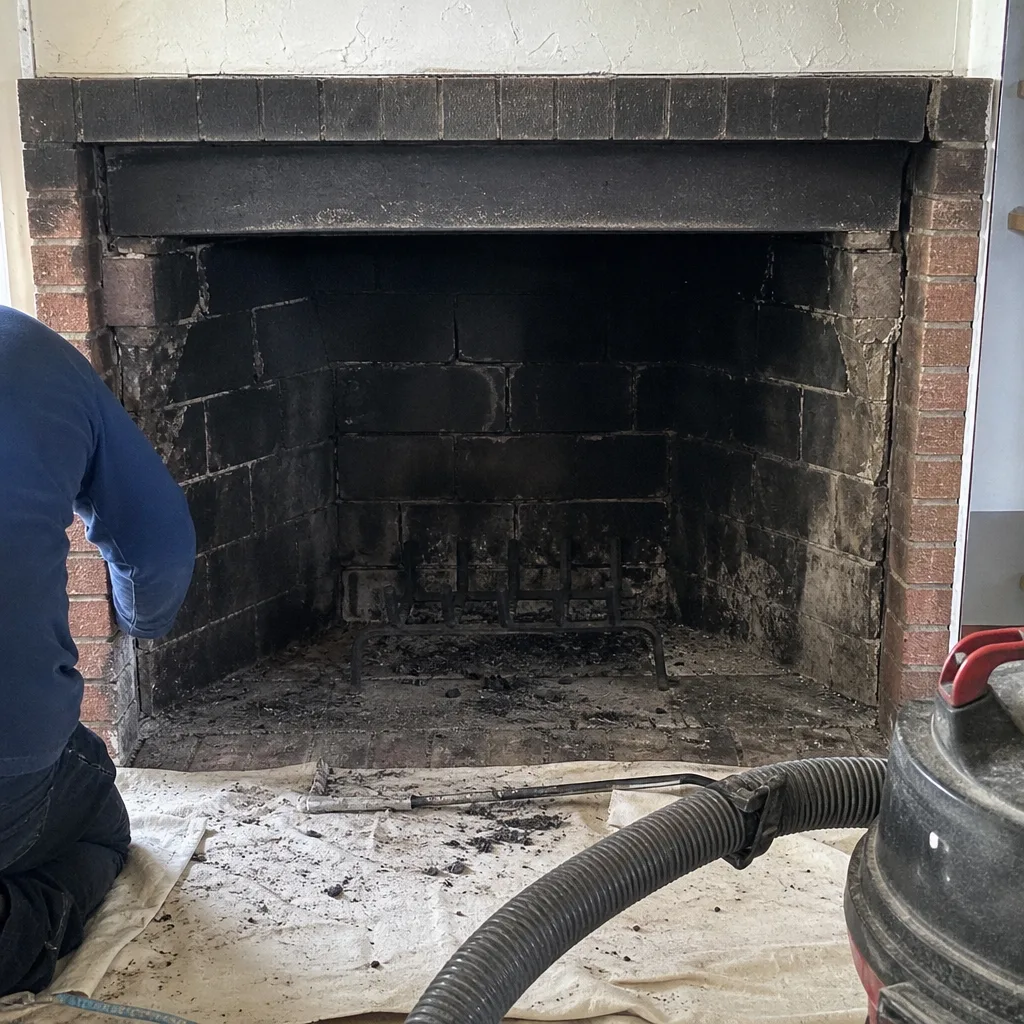
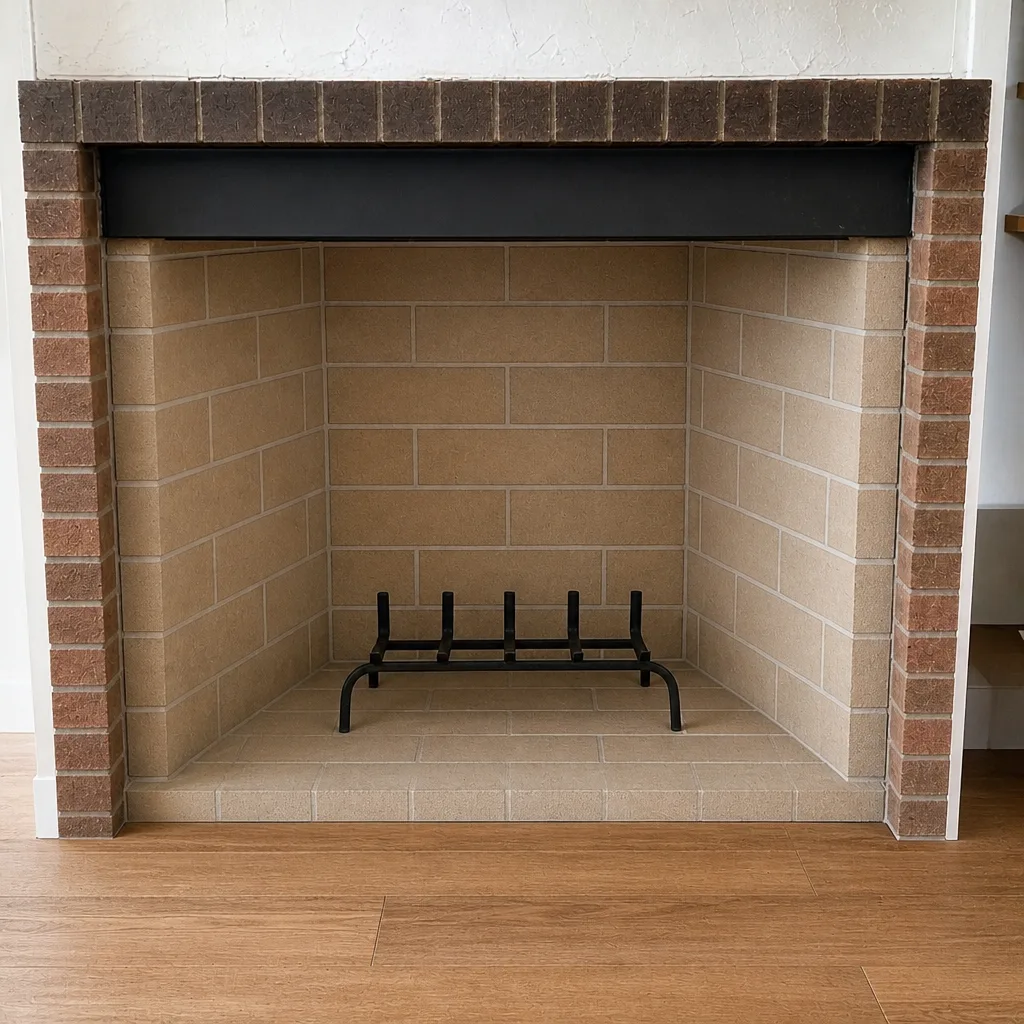
See the difference
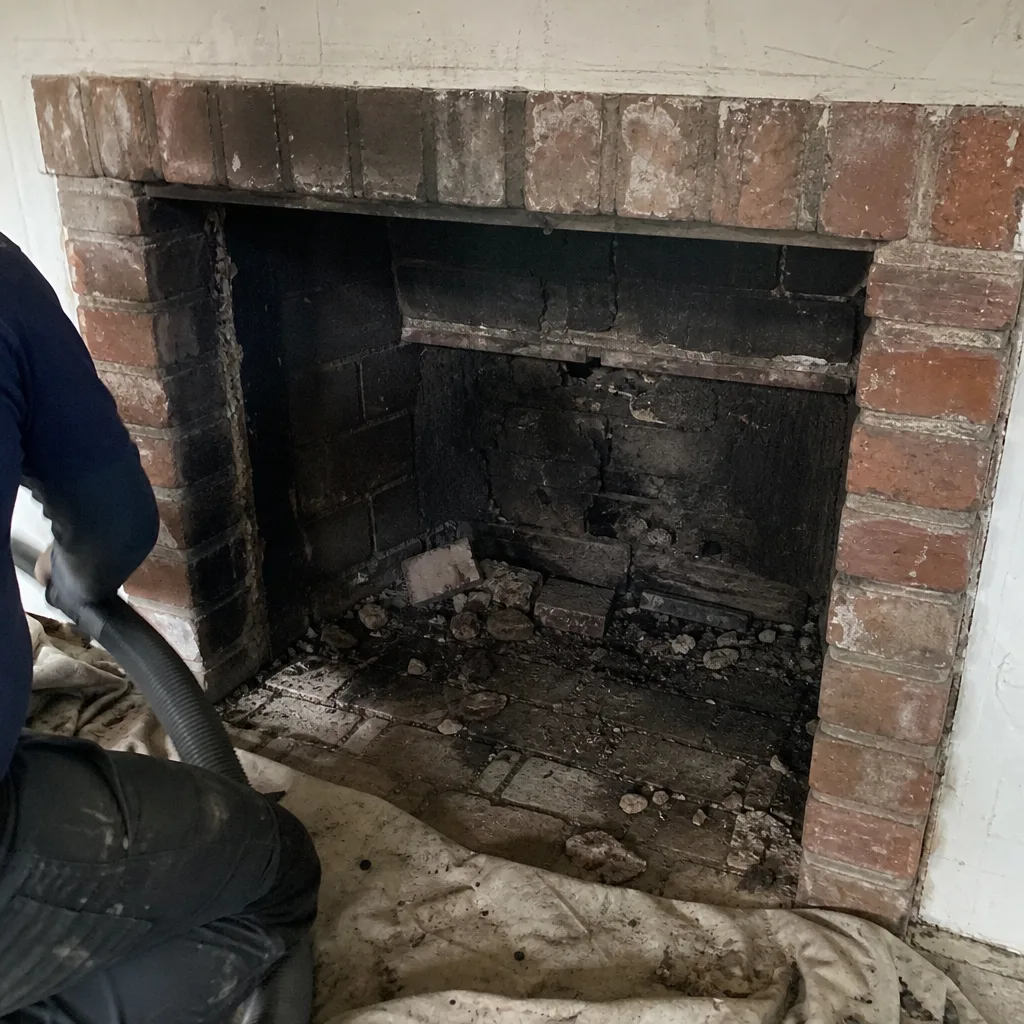 Before
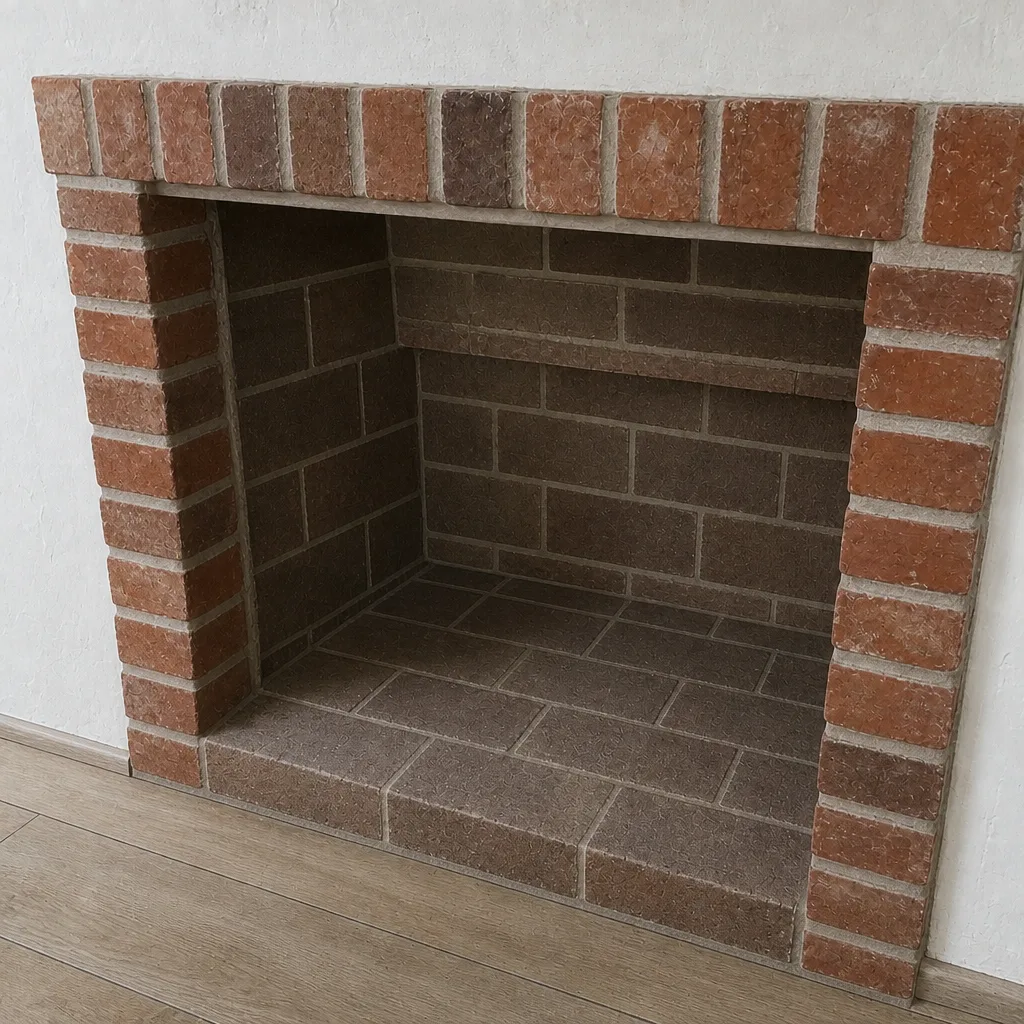 After
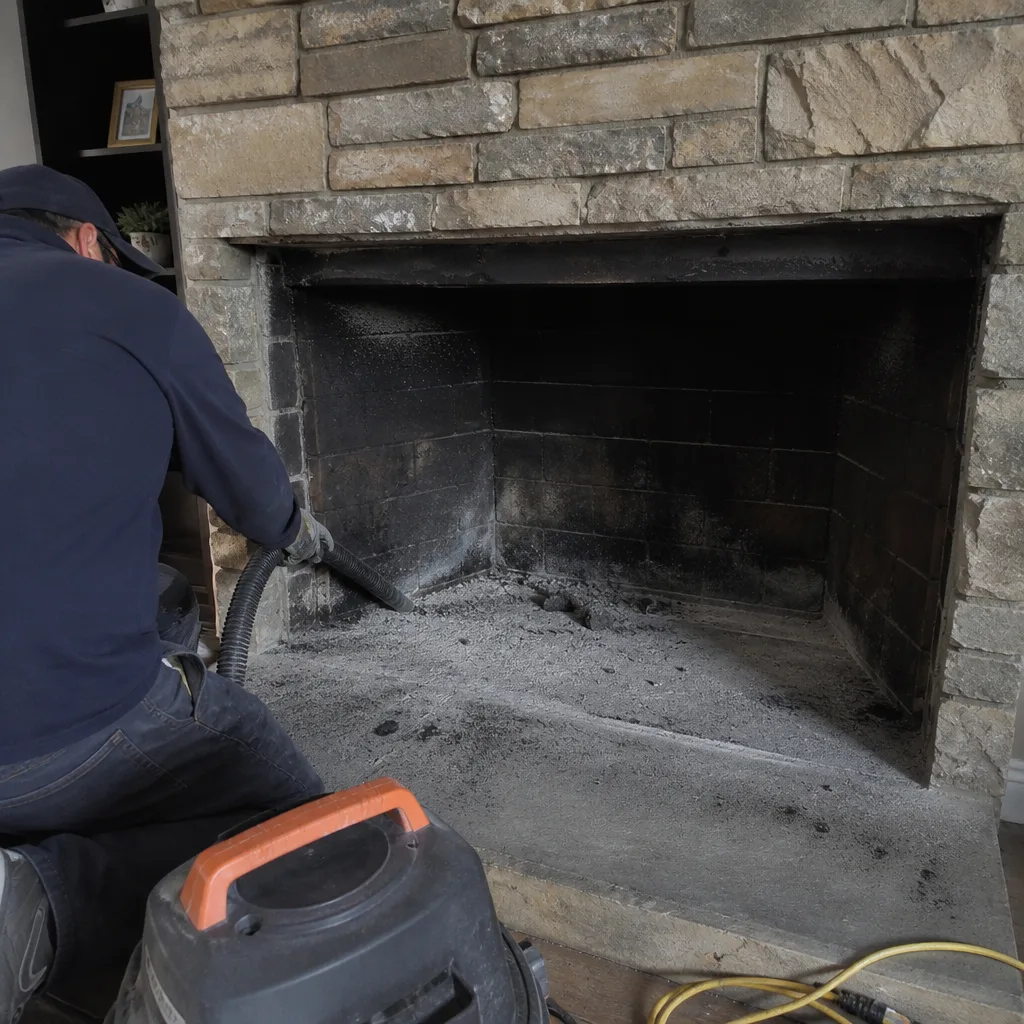 Before
 After
 Before
 After
When to Call a Professional
Some situations need a trained set of eyes on them now. Call a professional if any of these applies to your Garden Grove home:
- You’ve never had the chimney inspected and don’t know what the prior work history looks like.
- Your liner is cracked, missing sections, or unlined – all of which are fire-safety concerns, not cosmetic ones.
- You’re about to sell, or about to buy, a home with a fireplace or wood-burning appliance.
- You’re planning a liner installation or firebox rebuild and want the permit question answered by someone who does this daily.
- You’ve had a chimney fire, a structure shift, or signs of water intrusion around the crown or cap.
- You’re getting ready for the burn season and want the chimney swept and inspected together.
Fixing liner, clearance, or firebox problems is not a do-it-yourself job. High temperatures, real fire risk, and code requirements mean the work belongs with a trained chimney specialist. Get a Level 2 inspection done if there’s any doubt about the system’s history.
Garden Grove Chimney Sweep Pros offers free estimates in Garden Grove – call (833) 629-1431. We answer 24/7. Fast dispatch from 7am to 7pm, Sunday through Friday. Our technicians have up to 12 years of experience, and every job is a chimney job.
Frequently Asked Questions
No. A routine chimney cleaning – sweeping creosote and soot from the flue – does not require a building permit in Garden Grove. Cleaning is maintenance, not construction. If the same visit reveals a need for a liner installation, firebox rebuild, or structural repair, that follow-on work is where the permit question starts.
In most cases, yes. Replacing or installing a liner changes the flue’s configuration, and the City of Garden Grove Building & Safety Division typically treats that as an alteration that requires a permit and a final inspection. Confirm with the building department before work begins, and make sure your contractor includes the permit and inspection in the written quote. Call (833) 629-1431 for a free estimate.
No, California doesn’t require a chimney inspection as a condition of sale. It’s strongly recommended, though, because a buyer’s inspector will look at the chimney and the disclosure form asks about the fireplace. A current Level 2 report answers those questions in writing and resolves the issue before it becomes a negotiating point.
NFPA 211 is the national standard for chimneys, fireplaces, vents, and solid fuel appliances. It’s what a Garden Grove building inspector uses as the baseline for evaluating chimney work, covering clearances to combustibles, liner integrity, and proper flue sizing. When a contractor can’t explain how their proposed work meets it, that’s a warning sign. Call (833) 629-1431 for a free estimate.
That depends on your specific policy, but many carriers look closely at whether chimney work was permitted when a claim involves fire damage tied to that system. If you can produce the permit, the inspection record, and a written scope of the work, the claim goes more smoothly. If you can’t, expect the carrier to ask why. Get the paperwork in order before you need it – not after.
Yes. Buyers and their inspectors ask about permits during the inspection period, and unpermitted work often becomes a negotiating item at exactly the wrong moment. Doing the paperwork now – or getting a current inspection report to document the existing condition – is far less costly than discovering the gap during closing.
The Bottom Line
Chimney cleaning doesn’t need a permit in Garden Grove. Structural chimney work usually does: liner installations, firebox rebuilds, chimney reconstruction, and anything that changes the flue configuration. The three documents that matter for a Garden Grove homeowner are the permit and inspection card from the city, the written scope and invoice from your contractor, and a Level 2 inspection report. Together they protect you at resale and during an insurance claim. Professional-grade materials like DuraFlex and HeatShield selected for the job, not whatever the hardware store carries, keep the paperwork defensible. If any of that file is missing at your address, a Level 2 inspection is the fastest way to close the gap. When you’re ready, a trained chimney specialist can walk you through what your system actually needs – and confirm whether the work requires paperwork before anything is scheduled.
If you’re planning a sweep, inspection, or fireplace repair in Garden Grove, we handle the full scope in-house. One company does the sweep, the inspection, the repair, and the cap – no handoffs, no gaps. Call Garden Grove Chimney Sweep Pros at (833) 629-1431 for a free estimate. We answer 24/7. Fast dispatch from 7am to 7pm, Sunday through Friday.
Written by the team at Garden Grove Chimney Sweep Pros.