
Last updated November 23, 2026
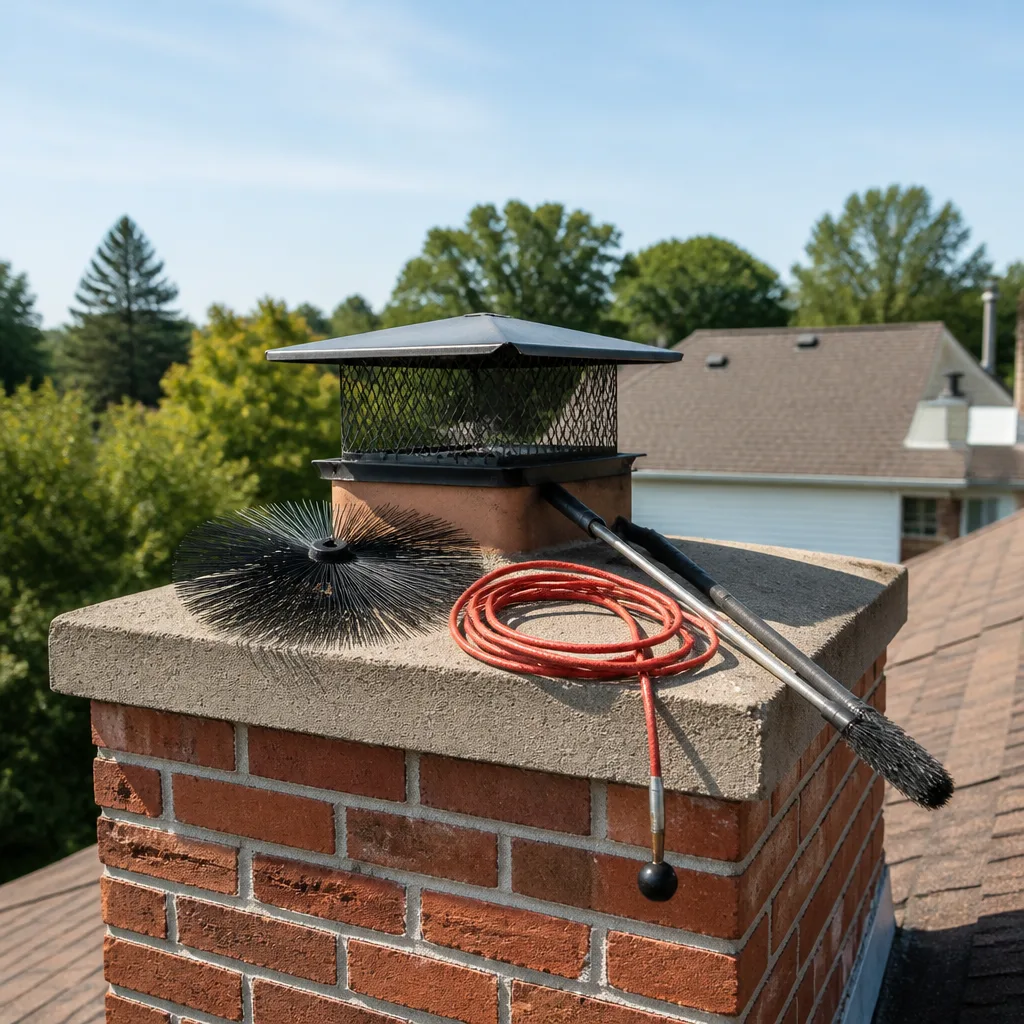 Sweep & inspection
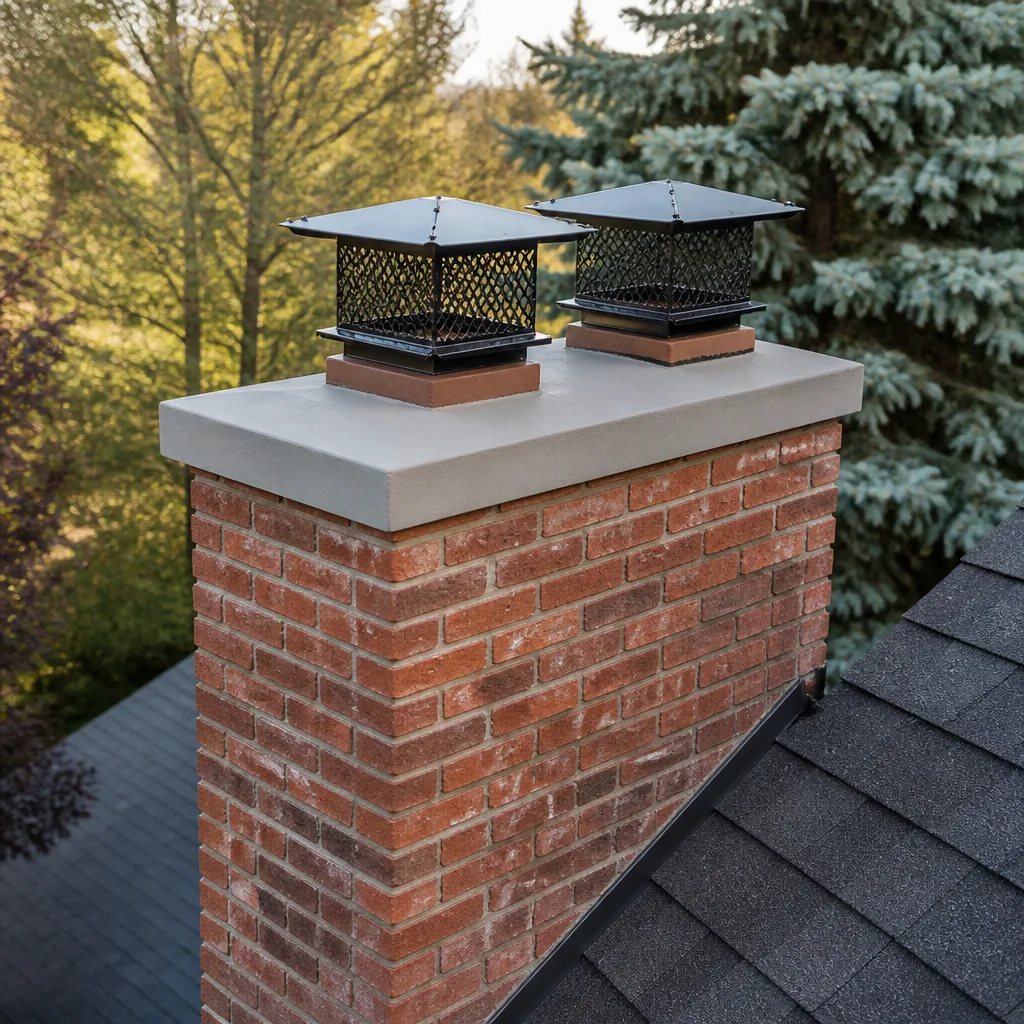 Caps & crowns
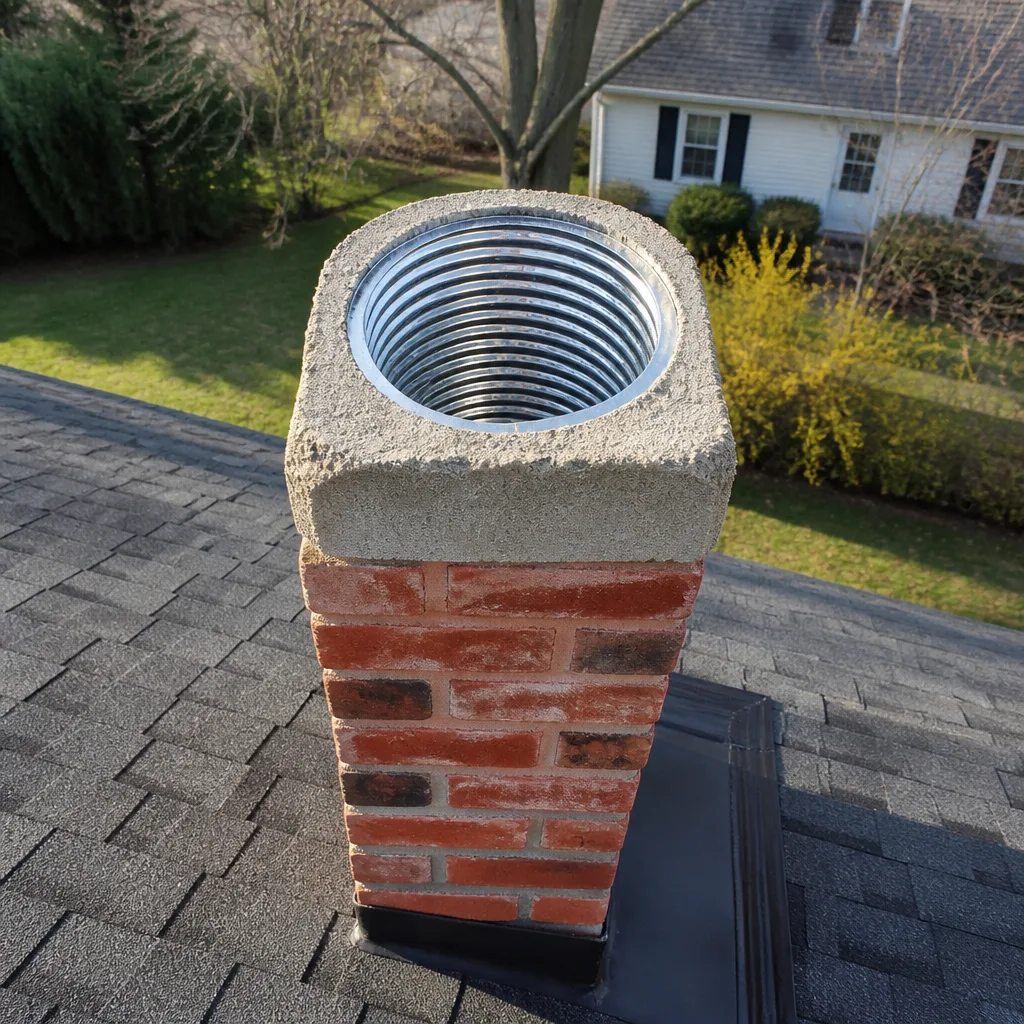 Flue relining
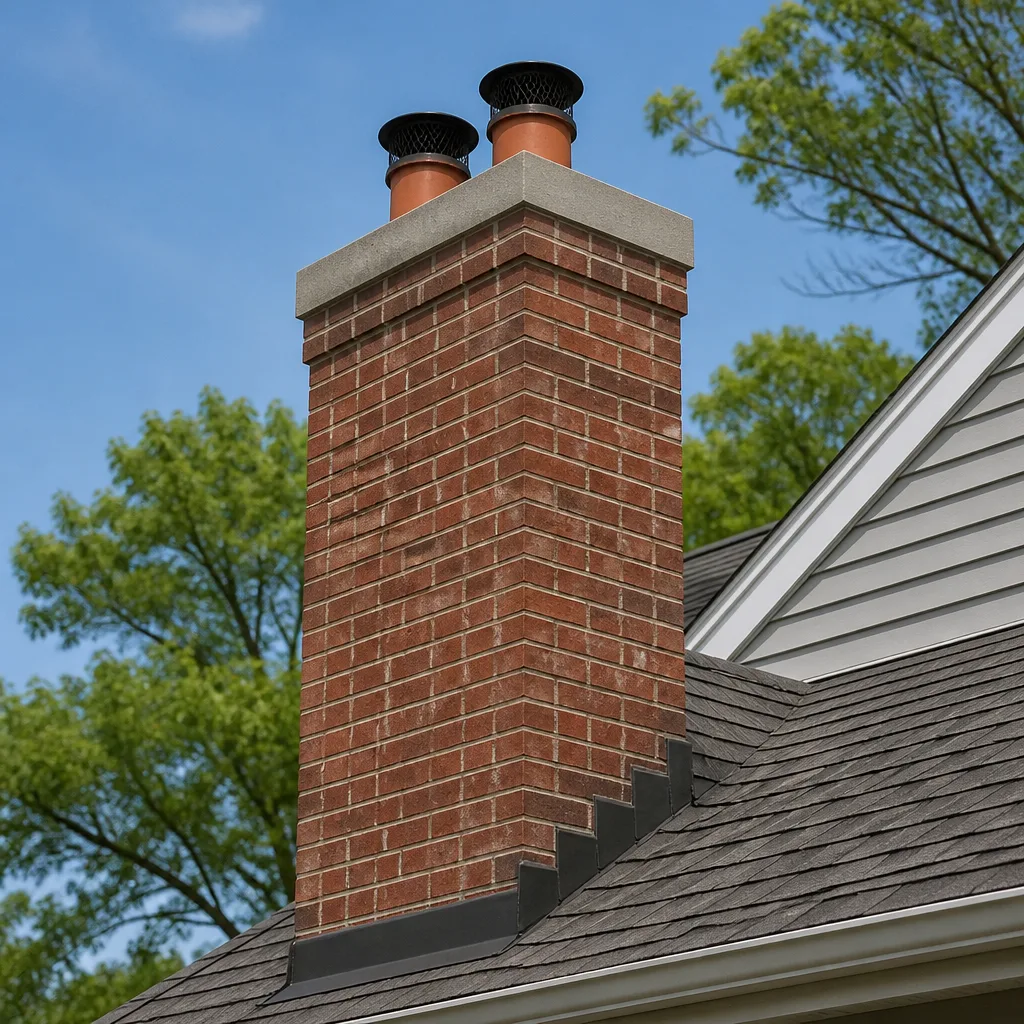 Masonry repair
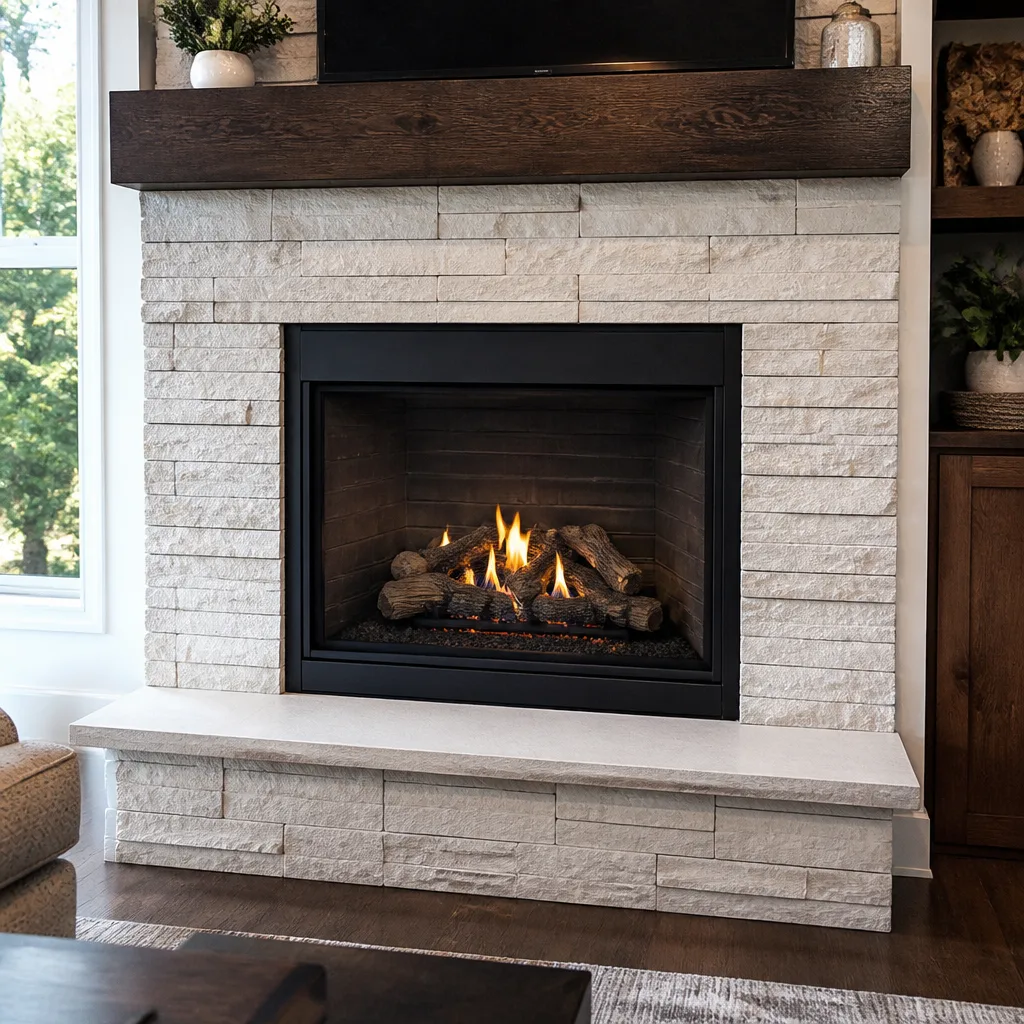 Gas fireplace service
Level 1 sweep and inspection to the NFPA 211 annual standard - flue, crown, cap, and flashing checked and photographed
Chimney sweep logs do not sweep chimneys. They loosen some creosote - which then falls where a brush and vacuum still have to collect it.
Chimney Sweep Maintenance Checklist for Garden Grove Homeowners
Most chimney maintenance checklists you’ll find online were written for a house in New England. They talk about freeze-thaw cycles, snow loads, and long winters. None of that applies here. A checklist that actually works for a Garden Grove home has to account for the things that break chimneys in Orange County: palm frond fragments wedged into caps, sparrows and swallows packing nests into uncapped flues, stucco exteriors that hide flashing failures, mild winters that let creosote build slowly and quietly, and the occasional earthquake that shifts a firebox just enough to crack it. This guide gives you a month-by-month, season-aware checklist built for Garden Grove homes, so you can inspect with confidence, know what’s normal, and know when to call a specialist.
Quick Answer
A working Garden Grove chimney checklist covers four routines: an inspection of the cap and screen every season for palm debris and bird nests, a visual exterior check of stucco and flashing twice a year, an interior firebox and smoke chamber check after any earthquake above 3.5 magnitude, and a professional sweep and inspection based on how much you burn, not the calendar alone. Most homeowners here burn far fewer fires than they think, but creosote still accumulates. The right cadence is inspection-led: sweep when the inspection says it’s time, not on a fixed date.
Styles & brands we work with
- Sweep & inspection
- Caps & crowns
- Flue relining
- Masonry repair
- Gas fireplace service
Table of Contents
- Month-by-Month Chimney Maintenance Calendar for Garden Grove
- Cap and Screen Inspection: Why Palm Debris and Local Birds Matter
- Exterior Inspection for Stucco-Clad Homes: Where Flashing Failures Hide
- Seismic Micro-Cracking: What to Check After an Earthquake
- Interior Signs That a Sweep Can’t Wait Any Longer
- Preparing for Santa Ana Wind Events
- What a Professional Sweep Actually Involves
- Keeping Records That Actually Help You
Month-by-Month Chimney Maintenance Calendar for Garden Grove
Garden Grove doesn’t have four real seasons, but it does have two: a dry stretch from late spring through fall, and a cooler, damp stretch from roughly November through March. That split, plus the timing of Santa Ana wind events and the local bird nesting cycle, is what your calendar should be built around. Here is how we’d lay it out for a typical Garden Grove home.
- January through March: This is your burning season, so use it. Check the firebox for buildup after each burn week. Look at the cap from the ground after any rain. This is the wet stretch when a cracked crown or bad flashing shows itself as a stain or a drip.
- April: Bird nesting season ramps up. Walk outside and look up at the cap and screen with binoculars. You’re checking for the first nests before they turn into packed material that blocks airflow.
- May through June: Palm frond season. Fan palm debris and seed stalks dry out and break loose. This is the highest-risk window for a screen becoming a trash rack. Check the cap weekly during this stretch if you have palms nearby.
- July through September: Dry, hot, and Santa Ana wind prone. Check the roof flashing and crown for cracks that open up in dry heat. Look for the first signs of stucco staining near the chimney.
- October: Book your pre-season sweep and inspection. This is when you want to know the state of the flue before you light the first fire, not after.
- November through December: Burn season again. Watch for smoke rolling back into the room, a sign of a partial blockage that should be addressed before the next burn.
If you don’t burn at all, the calendar still applies. Blockages and water intrusion don’t wait for a fire. The exterior and cap checks matter just as much on a gas fireplace that never gets used.
Cap and Screen Inspection: Why Palm Debris and Local Birds Matter
A chimney cap with a proper screen does two jobs at once: it keeps water out of the flue and it keeps animals out. In Garden Grove, the second job is more urgent than most checklists admit. The area’s fan palms drop a constant supply of dried frond fragments and seed material. Swallows and sparrows are common here and are hardwired to look for an open flue as a nest site. An uncapped flue is an invitation, and a screen that’s already half-blocked with palm debris is a nesting platform.
What to look for on your cap and screen inspection:
- Palm fragments on top: Dried material piled on the cap acts like a lid. Airflow drops and draft suffers. It’s also a fire-risk material sitting on top of your chimney.
- Nests packed into the screen: Birds will rebuild after a sweep, so a screen is the real fix. If you’re clearing nests every year, the screen is likely too coarse or partly missing.
- Rust, sagging, or a bent cap: Wind and time bend caps. A cap that’s no longer level sheds water toward one side instead of off it.
- Gaps at the cap-to-flue connection: These are the tiny openings that let water run down the outside of the flue tile.
A cap inspection takes five minutes with binoculars from the yard. You don’t need to climb anything. If you see debris, nests, or a gap you can’t resolve from the ground, that’s the point to call. Our Garden Grove Chimney Sweep Pros team handles cap and crown work as one of our core services, which means the same visit that clears the blockage can also fix the entry point. Catching palm intrusion in spring is far cheaper than finding it after a wet winter has pushed water down a blocked flue. For homeowners with a wood fireplace that gets regular use, this check pairs naturally with your annual chimney sweep.
Exterior Inspection for Stucco-Clad Homes: Where Flashing Failures Hide
Most Garden Grove homes have stucco cladding. That changes how flashing failures look. On a wood-sided house, a bad chimney flashing shows water stains on the siding or clear rot; the failure is visible. On stucco, the flashing is frequently buried or covered at the chimney-to-wall intersection, and water finds its way behind the stucco without ever showing on the surface. By the time a stain appears inside, water has usually been traveling for a while.
Here’s the exterior inspection we’d walk you through on a stucco home in Garden Grove:
- Look for cracks in the stucco near the chimney base, corners, and the joint line where chimney meets wall. Small hairline cracks are normal movement. Rotating cracks or ones that grow over a season need a closer look.
- Look at the stucco directly below the chimney flashing line for a darker band or a “drip trail.” Even a faint vertical stripe can indicate water is escaping behind the flashing.
- Check the crown (the sloped cap at the very top of the chimney) for cracks or separation from the flue. A crown that’s failing lets water into the brick and mortar below. Stucco chimneys have crowns too, and they fail the same way.
- Look for efflorescence, the white chalky deposit, on the chimney surface. It means moisture is migrating through the masonry.
- Examine the spark arrestor and cap from below. Rust on a cap edge or a lifting screen is a precursor to a full failure.
Flashing failures on stucco don’t get fixed with a tube of sealant. The correct fix involves lifting or replacing the flashing, repairing the waterproofing layer, and rebuilding the stucco around it so the water sheds out instead of in. Our chimney repair service covers exterior masonry, crowns, and flashing precisely because this kind of repair is a chimney job, not a roofing job. Getting it right the first time beats re-sealing it year after year.
Seismic Micro-Cracking: What to Check After an Earthquake
Garden Grove sits in a region where earthquakes are part of life. National chimney checklists almost never include a post-earthquake step, which is a real gap. The reason it matters: earthquake motion moves the chimney mass relative to the house, and that motion concentrates stress at the firebox, the smoke chamber, and the flue tile joints. A quake doesn’t have to knock a chimney down to crack it. A minor shift can open a hairline crack in a firebox wall that then lets combustion gas escape into the home over time.
After any earthquake above 3.5 magnitude that you can feel at home, do a quick visual check of the firebox and the chimney exterior. This is a look-and-report step, not a repair step.
- Look at the firebox brick joints for new cracks. Old, dusty joints don’t count. You’re looking for fresh, clean-edged cracks with no soot or ash inside them.
- Run a hand over the firebox wall (cold, no fire). Feel for mortar joints that have lost material or feel loose.
- Look at the chimney exterior from the ground. Any visible lean, a new gap at the roofline, or a shifted crown warrants a professional inspection before you burn again.
- Check inside the firebox for a shifted damper. If the damper no longer seals or opens smoothly after a quake, the firebox or throat may have moved.
Any fresh crack in the firebox is a stop-burning condition until a specialist has looked at it. Combustion gases and carbon monoxide escaping through a firebox wall are silent and dangerous. Call us. We answer 24/7 at (833) 629-1431 and will book an inspection so you know whether it’s safe to light a fire. This is one area where a general homeowner checklist can’t substitute for eyes on the masonry.
Interior Signs That a Sweep Can’t Wait Any Longer
Most sweep guides tell you to count your burns and schedule accordingly. In Garden Grove, many homeowners burn only a handful of fires a year, so a burn-based schedule can quietly stretch into a long time between sweeps. Here is the interior sign that overrides the calendar, no matter how few fires you’ve had.
The sign is a glossy, hardened creosote glaze in the smoke chamber, the sloped area above the damper and below the flue. Ordinary soot sweeps off. That glaze does not, and it’s the form of creosote that ignites. If the inside of your firebox throat starts to feel slick or look shiny instead of sooty and dry, that’s a “sweep now, no debate” signal. It doesn’t matter whether you’ve burned three times or three hundred times this year. Glaze is the objective marker that a brush alone may not fully address, and it’s the point at which a professional sweep has to look before you burn again.
Secondary interior signs that mean the sweep is due:
- Smoke rolling back into the room when you light a fire. Partial blockage, gusting drafts, or a cap problem are the usual causes.
- A strong creosote smell in the room, even with no fire lit. That’s often a sign of buildup elsewhere in the flue.
- Soot streaks on the face of the firebox or the surround, meaning the fire isn’t drawing correctly.
- A chimney that smokes more than it did a couple of seasons ago, with the same wood and same fire-building habit.
If any of these signs are present, stop burning until a sweep has cleared the flue and confirmed the draft. This is why a chimney inspection is part of every sweep we book, not a separate charge. For fireplace-specific issues, our fireplace repair team can address the firebox, damper, and screen at the same time.
Preparing for Santa Ana Wind Events
Santa Ana winds run hot, dry, and strong. For a chimney, they do two things: they drive palm debris against the cap and screen faster than in still weather, and they stress the cap-to-flue connection and any loose flashing. A garden-variety screen that’s fine in calm conditions becomes a debris rack in a sustained wind event. That’s the most common reason Garden Grove homeowners find a chimney that worked last winter suddenly smoking badly.
Before a forecast Santa Ana event, do three things:
- Look at the cap from the yard for loose material. If palm fronds or dry leaf litter are sitting on top, clear what you can safely reach with an extension tool from the ground. Never climb a roof under windy conditions.
- Check that the spark arrestor screen is intact. A screen with a tear becomes a wind scoop for debris.
- Look at the flashing line for any lifting or separation. If you can see daylight or a gap, that’s a call now, before the wind widens it.
After the event, repeat the cap and screen check, and listen for any new rattle or whistle from the cap when the next wind blows. Rattles indicate a fastening has loosened. A whistle indicates an obstruction or a shifted cap. Either one is worth a professional look. This is one of the seasonal rhythms of living in Garden Grove that a generic national checklist will never mention.
What a Professional Sweep Actually Involves
A proper chimney sweep is far more than a brush pushed down a flue. On a Garden Grove home, the sweep visit includes a walk around the exterior to spot what the interior can’t reveal, a camera inspection of the flue, a cleaning of the firebox, damper, smoke chamber, and flue, and a look at the cap and crown. We work on chimneys only, so every technician on your job is a chimney specialist rather than a general handyman who adds chimney work to the list.
What a professional sweep step-by-step looks like:
- Exterior inspection first – cap, screen, crown, flashing, and stucco at the chimney base.
- Firebox and damper inspection – brick joints, refractory panels, damper operation.
- Smoke chamber and flue inspection – a camera or flexible scope to see the full run of the flue, including the sections you can’t reach with a handlight.
- Cleaning – the flue, smoke chamber, and firebox cleared with the correct tools for the flue type and the creosote form present. Our technicians have up to 12 years of experience with the range of flue types you’ll find in Garden Grove homes.
- Written report – what we found, what’s normal, and what needs attention, with photos of anything you’d want to see yourself.
Homeowners usually want to know whether the recommended repairs are truly needed. Our answer: you’ll see the camera evidence. If the liner looks sound and the recommendation is preventive, we’ll tell you it can wait. If it’s urgent, we’ll show you why. When a liner needs work, we install and work with professional-grade systems including DuraFlex and HeatShield. HeatShield liner restoration can extend the life of a chimney that a sweep-only company would write off, and it’s an alternative to full relining. Professional-grade materials, not hardware-store substitutes.
Keeping Records That Actually Help You
A chimney maintenance log is only useful if it captures things a future technician can act on. We’ve seen homeowners hand over a shoebox of receipts and nothing else. That doesn’t tell the next technician what the last one found.
- Date of each sweep and the sweeper’s name. Simple but surprisingly rarely recorded.
- Photo of the firebox interior taken after each sweep, so you and your next technician can compare over time.
- Any repairs performed and with what material (for example, which liner system was installed, or where HeatShield restoration was applied).
- Dates you noticed palm debris buildup or nests. This is your local seasonal marker. It tells you when to pre-check next year.
- Notes on any earthquake you felt, and the date. Paired with a firebox photo taken soon after, this creates a clear record of pre- and post-quake condition.
For a Garden Grove home, that last item matters most. A firebox photo from before an earthquake is the only clean baseline you’ll ever get, and if a crack appears after a quake, the record saves you the question of whether it was already there. Five minutes of record-keeping per year does more for your chimney’s long-term health than any single repair.
Common Mistakes to Avoid
- Following a national burn-count checklist instead of a local inspection schedule. Most Orange County homeowners burn less than the generic guides assume, so simply “sweep once a year” quietly becomes two or three years between inspections. Inspection-led scheduling catches problems the calendar misses.
- Assuming a cap is fine because it looks fine from the front. Palm debris piles up on the back and sides. Walk around the chimney, not just to the front door of the house.
- Sealing a stucco flashing failure with caulk instead of repairing it. Caulk over a hidden flashing failure just traps water behind the stucco. It looks fine for a season and fails worse the next.
- Ignoring a fresh firebox crack because the fireplace still “seems to work.” A firebox crack allows combustion gases and carbon monoxide into the room even when the fire draws and burns normally. Stop burning until a professional has seen it.
- Climbing the roof after an earthquake to inspect in person. The most vulnerable part of a quake-damaged chimney is the part a homeowner should not be standing next to. Check from the ground and call for an inspection.
- Skipping the exterior check because the fireplace is gas. A gas fireplace still has a chimney, and water intrusion damages it the same way as a wood-burning flue. The cap and crown matter whether you burn wood, gas, or nothing at all.
- Clearing nests and stopping there. If birds are back in the same screen every year, the fix is the screen, not the removal. Sweeping without correcting the entry point just resets the clock.
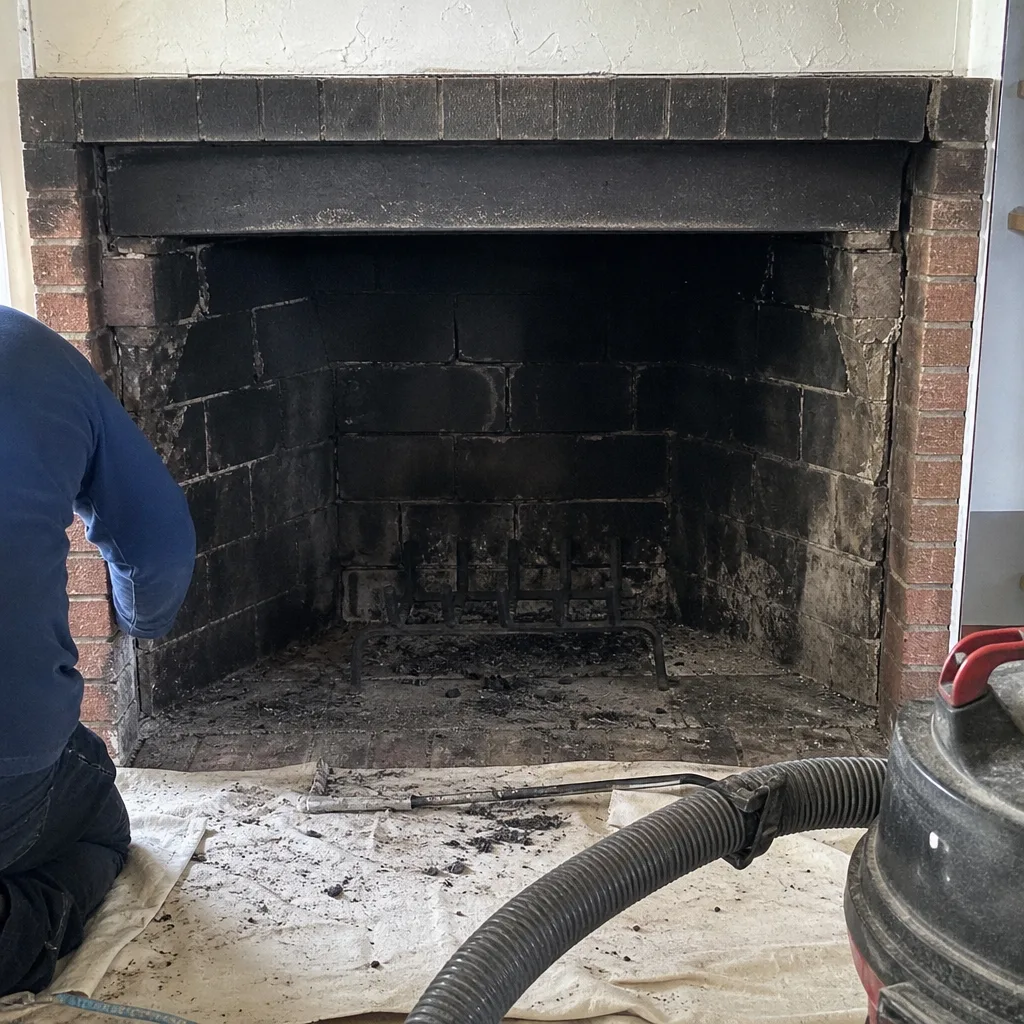
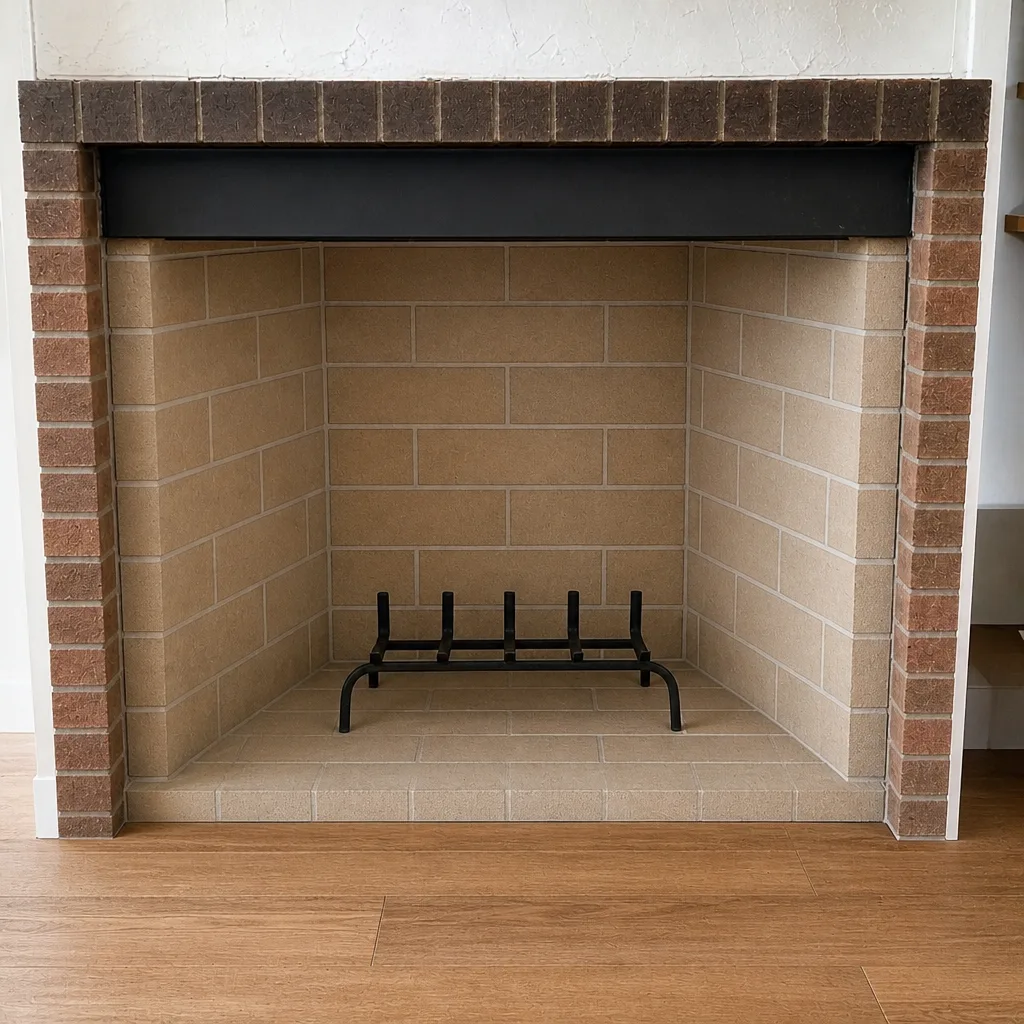
See the difference
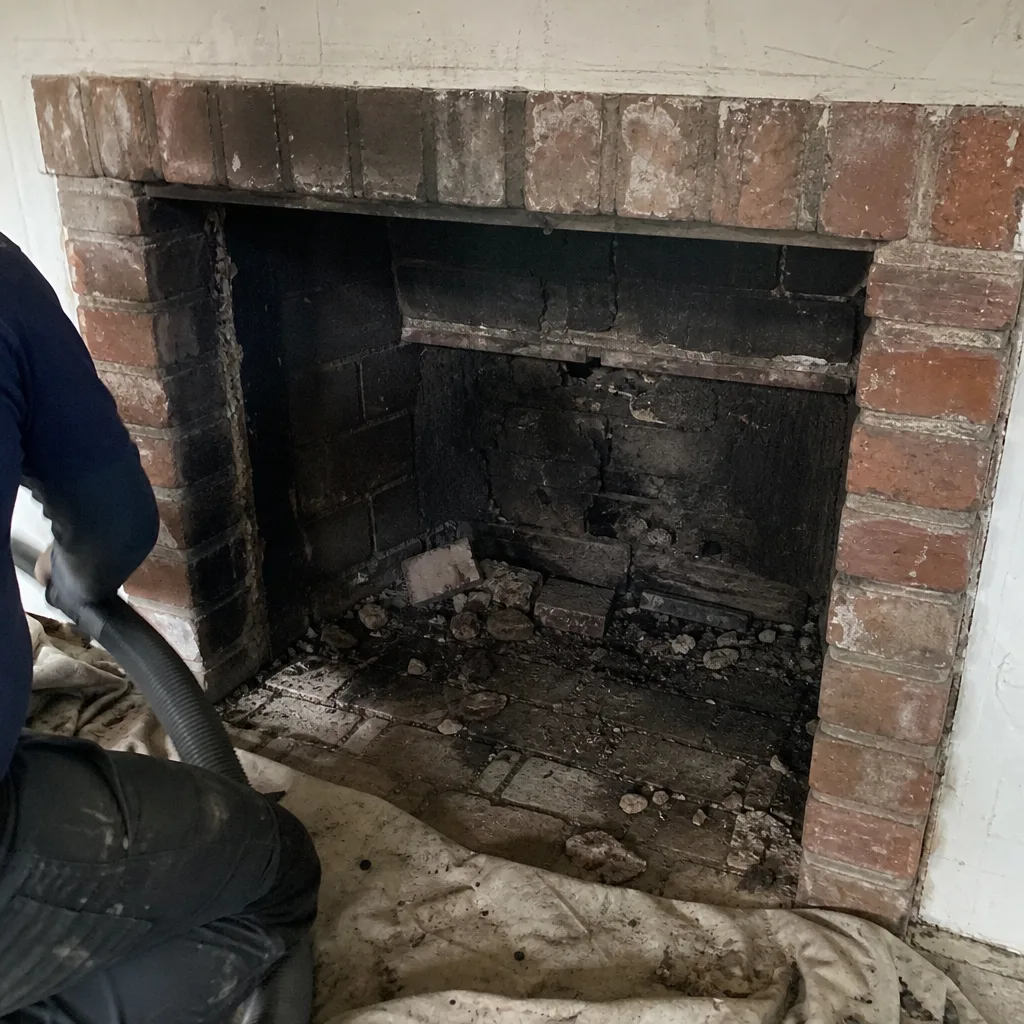 Before
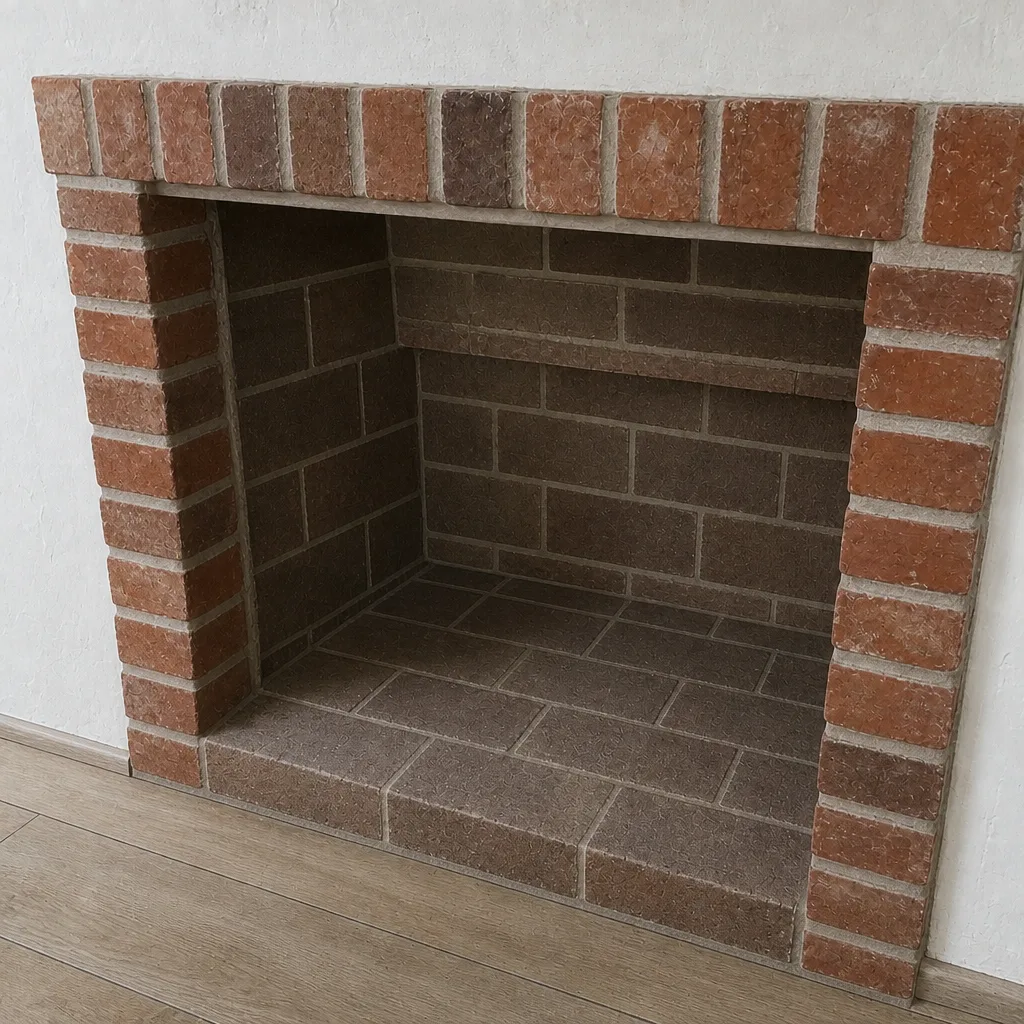 After
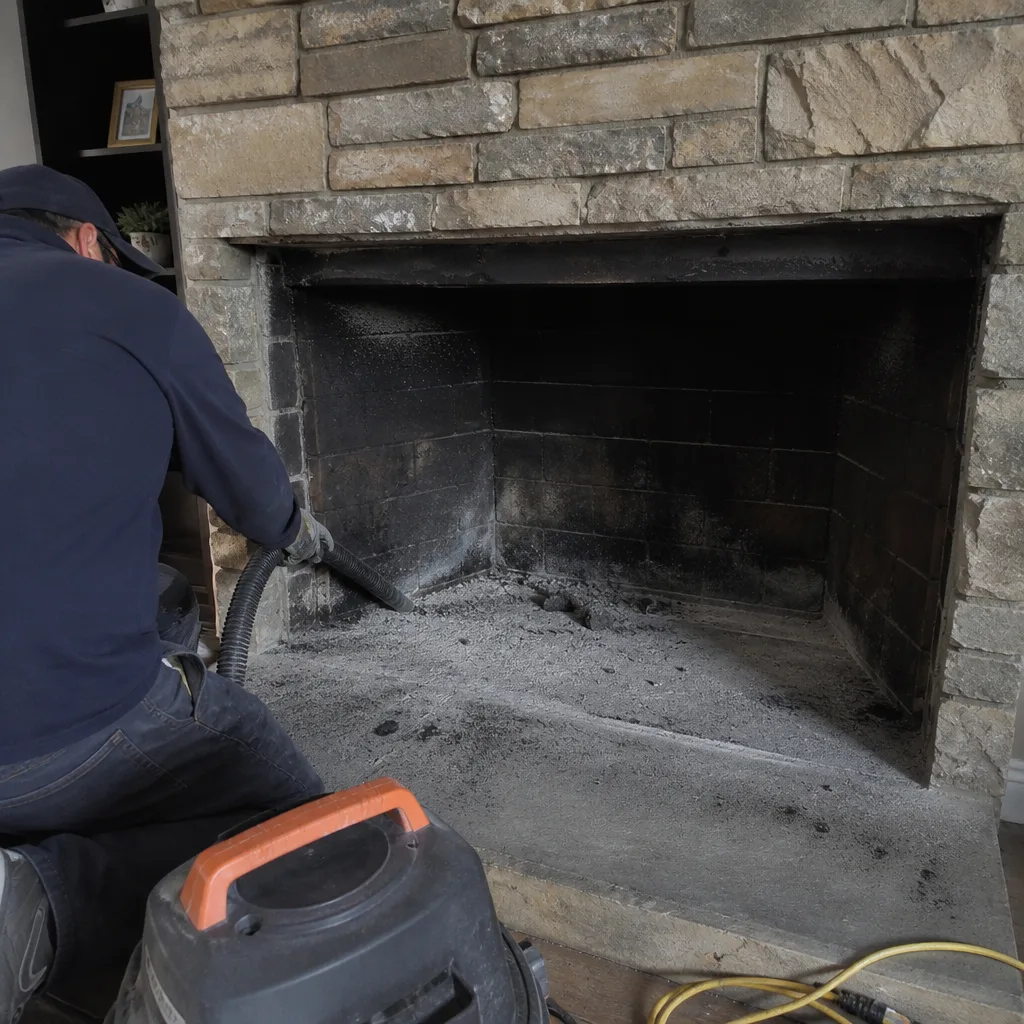 Before
 After
 Before
 After
When to Call a Professional
Call a specialist when any of these are true: you’ve felt an earthquake and want a firebox check, you see a fresh crack in the firebox or the chimney exterior, the smoke chamber looks glazed rather than sooty, palm debris is packed on the cap and doesn’t come off with a ground-level tool, birds have nested in the flue, you see stucco staining below the flashing line, or your chimney has started smoking differently than it used to. Also call when it’s simply been a while and you’re not sure of the last inspection. The visual checks here are yours to run. The minute a question becomes “is this safe,” that’s the point for a specialist to look, not guess. Garden Grove Chimney Sweep Pros offers free estimates in Garden Grove. Call (833) 629-1431. We answer 24/7. Fast dispatch from 7am to 7pm, Sunday through Friday.
Frequently Asked Questions
Inspection-led, not calendar-led. Get an inspection at least once a year, and sweep when the inspection calls for it. For a homeowner burning more than a cord of wood a season, that’s usually an annual sweep; for someone who burns a handful of fires a year, the sweep may be less frequent, but the inspection should still happen yearly. Glaze in the smoke chamber means sweep now regardless of the count. Call (833) 629-1431 to book an inspection and get an exact quote. Estimates are free.
Yes. Fan palms drop dried frond fragments and seed material, and that material collects on and inside chimney caps. Over a season, it can block airflow and turn the cap into a debris rack. Check the cap weekly during the May-June palm drop and after any Santa Ana wind event, and clear what you can safely reach from the ground. If material is packed in, that’s a call for a specialist.
Look at the firebox and the exterior chimney from the ground. Check firebox brick joints for fresh, clean-edged cracks, feel mortar joints for missing material (with no fire lit), and look for any new lean or gap at the roofline. Any fresh firebox crack means stop burning until a professional has inspected it. Combustion gas and carbon monoxide can escape through a firebox crack even when the fire seems to burn normally. Call (833) 629-1431. We answer 24/7 and will book an inspection at the next opening, Sunday through Friday, 7am to 7pm.
A glossy, hardened creosote glaze in the smoke chamber. Ordinary soot sweeps off; glaze does not, and it’s the form that ignites. If the throat of the firebox feels slick or looks shiny rather than sooty and dry, the sweep is due now, no matter how few fires you’ve had this year. Call (833) 629-1431 for an exact quote; estimates are free.
Look for a vertical darker band or drip trail on the stucco directly below the flashing line, white chalky efflorescence on the chimney surface, or cracks at the chimney-to-wall joint. On stucco, failures often hide behind the surface, so a stain inside the house near the chimney is a late sign. For any of these, get a professional inspection rather than sealant over the top. Call (833) 629-1431.
Not indefinitely. A gas fireplace still has a flue, and a cap and crown that need checking for water intrusion and blockage. The exterior checks in this guide apply whether you burn wood, gas, or nothing at all. Yearly inspection is the standard, and any unusual smell, soot, or smoke signals should be checked immediately. Call (833) 629-1431 for an exact quote; estimates are free.
The Bottom Line
Your Garden Grove chimney has more local enemies than a national checklist lets on: palm debris, local bird species, dry Santa Ana wind, stucco that hides flashing failures, and earthquakes that crack fireboxes quietly. The workaround is a routine, not a one-time repair. Check the cap and screen monthly and after wind events. Do the exterior stucco and flashing look-around twice a year. Inspect the firebox after any earthquake above 3.5 magnitude. Watch the smoke chamber for glaze as the hard signal that a sweep can’t wait. Then let a professional inspect at least once a year and handle any repair that the evidence calls for. The records you keep make everything easier down the road. And when you want eyes on the chimney, we answer 24/7. Fast dispatch from 7am to 7pm, Sunday through Friday.
If you’re ready to get a Garden Grove chimney checked properly, call Garden Grove Chimney Sweep Pros at (833) 629-1431 for a free estimate. We work on chimneys only, with professional-grade materials and one company to handle the sweep, inspection, repair, and cap. No handoffs, no gaps.
Written by the team at Garden Grove Chimney Sweep Pros.