
Last updated November 23, 2026
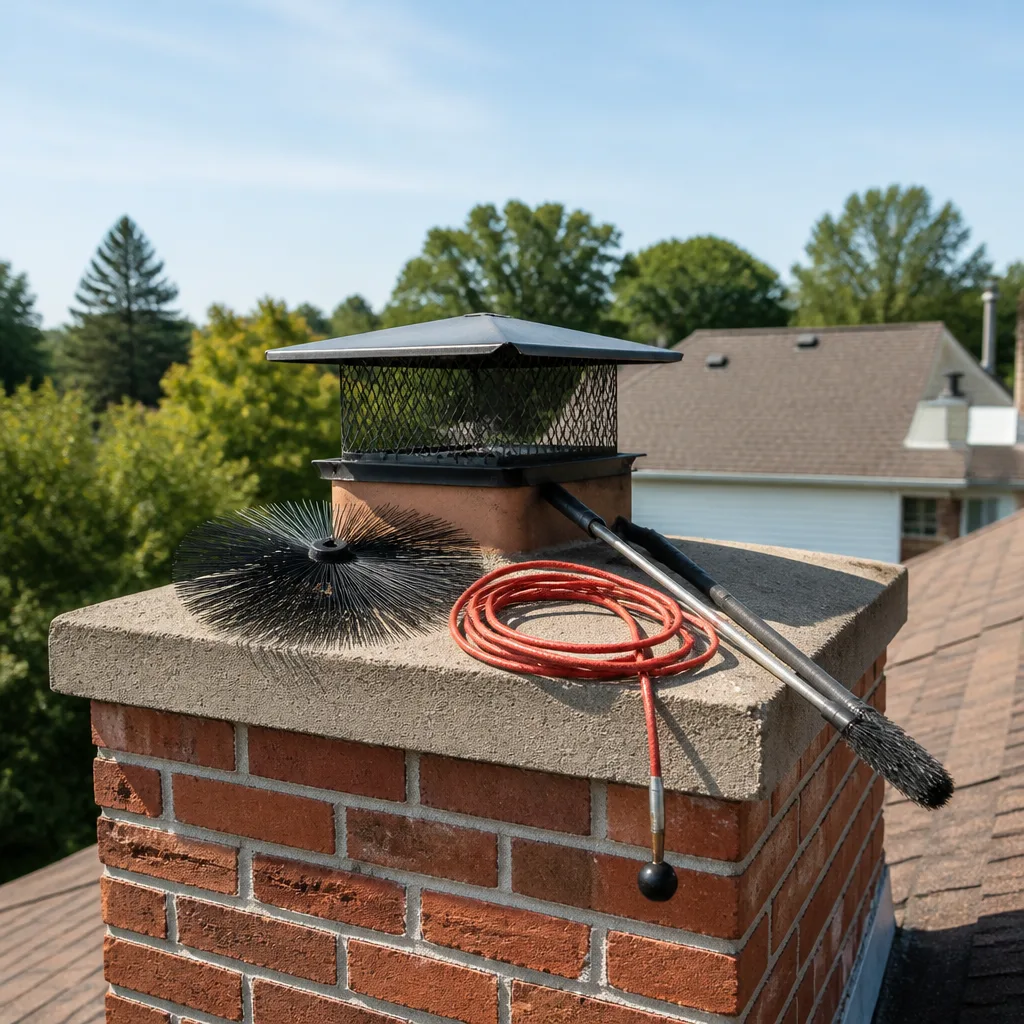 Sweep & inspection
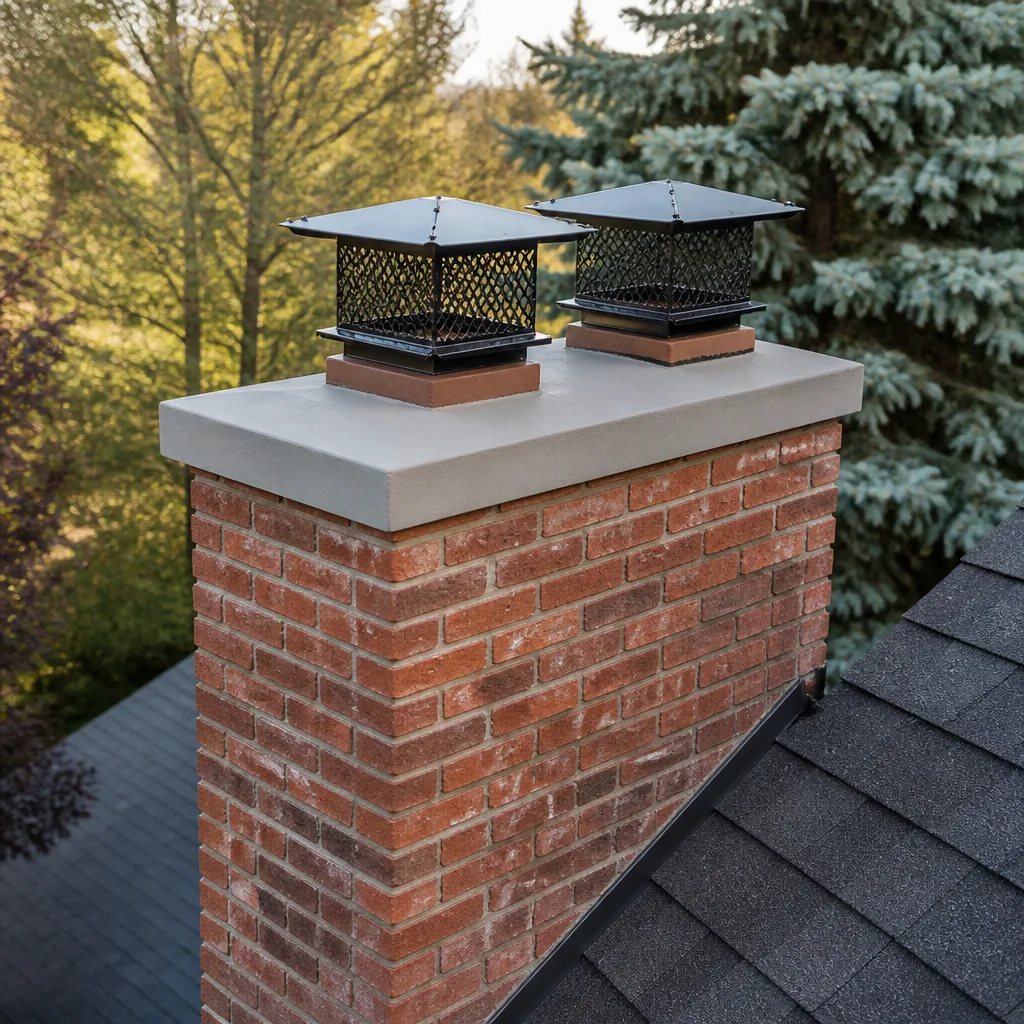 Caps & crowns
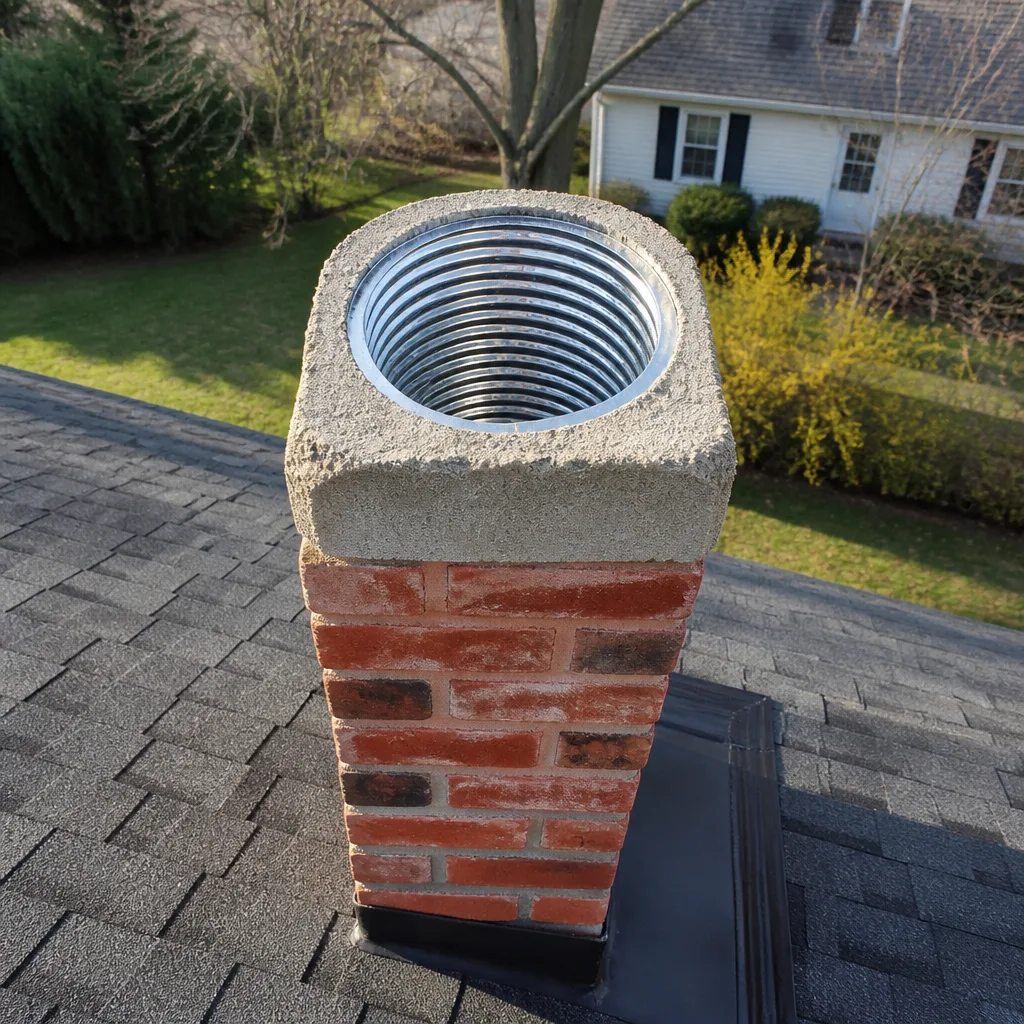 Flue relining
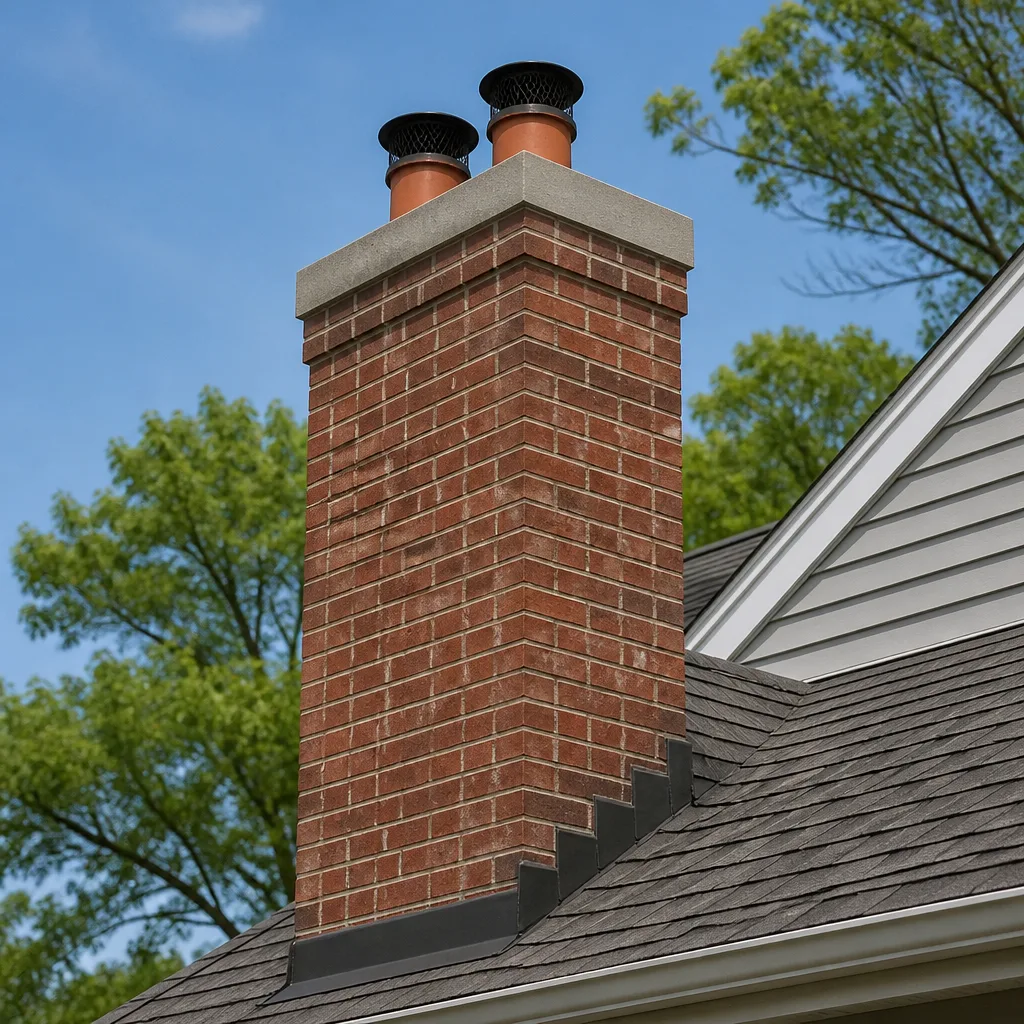 Masonry repair
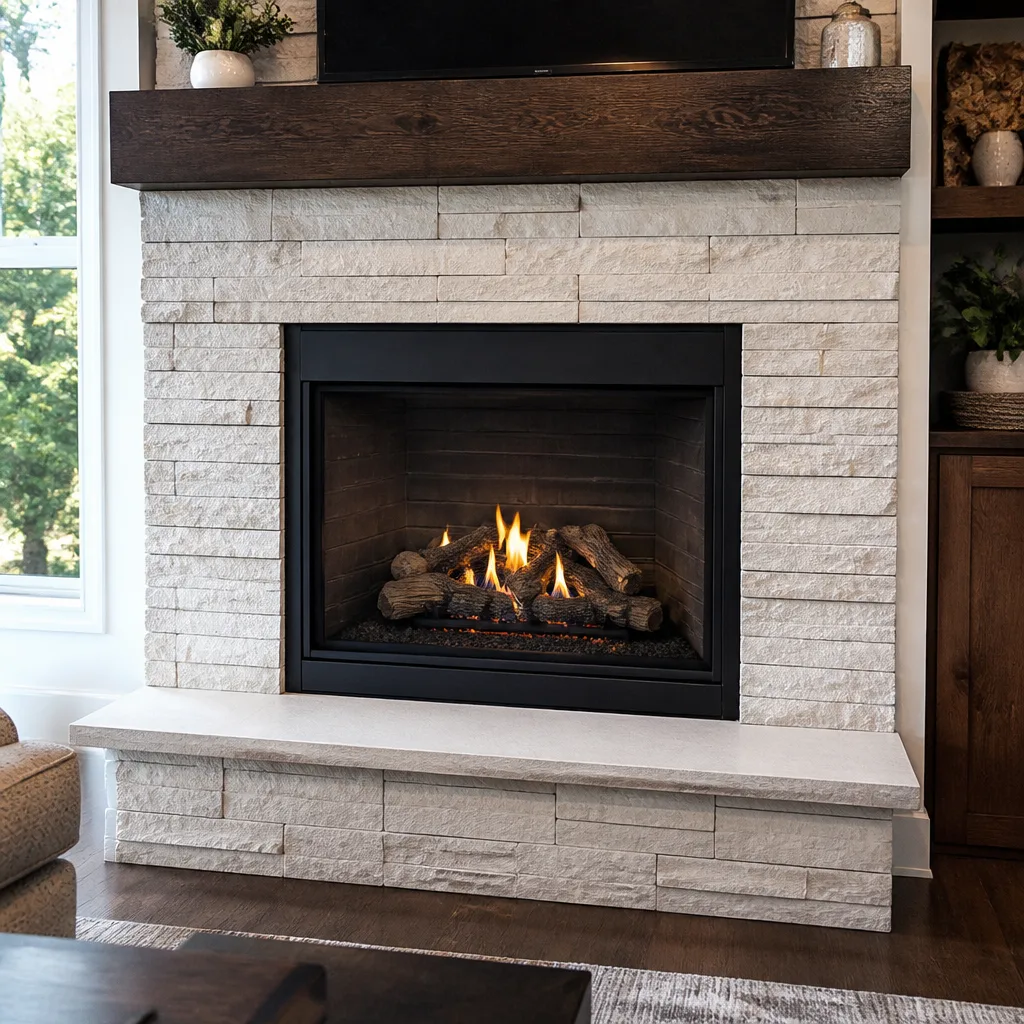 Gas fireplace service
Level 1 sweep and inspection to the NFPA 211 annual standard - flue, crown, cap, and flashing checked and photographed
Chimney sweep logs do not sweep chimneys. They loosen some creosote - which then falls where a brush and vacuum still have to collect it.
The Complete Guide to Chimney Cleaning in Garden Grove
Most Garden Grove homeowners light their fireplace maybe ten or fifteen times a season. That sounds like the safe end of the spectrum. But intermittent use in our mild climate is often harder on a flue than the constant burn of a cold-winter household, and it’s the single most misunderstood fact about chimney care here. A chimney that sits cold for weeks, then gets one hot fire, then sits cold again builds creosote in layers that cure hard and glaze. Add the damp marine air that drifts over Garden Grove and you get a flue environment that punishes neglect quickly. This guide explains what actually happens inside a Southern California chimney, which inspection level your home needs, and the full cleaning sequence.
Quick Answer
Chimney cleaning in Garden Grove should be done when the flue has an eighth of an inch of creosote or more, which for most homes here means an annual sweep performed by a specialist who inspects the full system, not just the firebox. The region’s mild, intermittent burn pattern and damp air produce dense, glazed creosote and accelerated liner wear that heavy-use cold-climate advice doesn’t account for. A proper cleaning includes a Level 1 or Level 2 inspection, mechanical creosote removal, and documented before-and-after photos of the flue.
Key Takeaways
- Intermittent burning in a mild climate creates denser, harder creosote than daily burning in cold climates.
- Most Garden Grove homes need a Level 1 inspection annually and a Level 2 when the property changes hands or the liner type isn’t documented.
- Damp air keeps flue liners wet longer between fires, which speeds up deterioration.
- A real cleaning includes a camera inspection and a photo report, not just a brush down the flue.
- Chimney Caps and crown repair are the two best defenses against water intrusion.
- Nothing should be recommended without camera evidence you can see for yourself.
Styles & brands we work with
- Sweep & inspection
- Caps & crowns
- Flue relining
- Masonry repair
- Gas fireplace service
Table of Contents
- Why Garden Grove’s Climate Changes Chimney Cleaning
- Which Inspection Level Does Your Garden Grove Home Need?
- Understanding Creosote Stages and Fire Risk
- The Full Cleaning Process, Step by Step
- What a Certified Sweep Checks That a Handyman Skips
- Moisture, Liners, and Long-Term Chimney Health
- What Chimney Cleaning Costs in Garden Grove
- How Often Should You Schedule Service?
Why Garden Grove’s Climate Changes Chimney Cleaning
Garden Grove sits in a climate that’s mild most of the year, but the air is not dry. Moisture from the coastal marine layer drifts inland overnight and settles in the cooler, shaded parts of a home, and a chimney is one of the coolest, most shaded surfaces on the exterior. That combination shapes how a flue behaves in a way that national chimney advice rarely addresses.
Cold-climate guides assume constant winter burning. In that model, the flue stays warm, drafts hard, and creosote burns hot enough to be driven off before it fully cures. When a Garden Grove homeowner lights a fire a few times a month and lets the flue sit cold in between, something different happens. Each fire creates a fresh layer of creosote. The flue cools quickly, moisture in the air condenses on the liner walls, and the next fire cures that condensed, layered creosote into a harder deposit. Repeat that cycle over a season and you end up with the dense, glazed Stage 2 and Stage 3 creosote that a brush alone can’t fully remove.
That’s why the burn pattern matters more than the burn count. A home in Garden Grove that burns twenty short fires across a winter can build thicker, harder creosote than a home in a cold region that burns every night. The visible clue most homeowners miss is a flue that feels slick or varnished when you peer in with a light. That glaze is a sign it’s overdue for a full cleaning, and it’s a sign worth acting on before the next burn season starts.
If you want to understand what a proper clean looks like in this climate, our chimney sweep guide walks through what’s involved from start to finish.
Which Inspection Level Does Your Garden Grove Home Need?
Not every cleaning needs the same inspection. The National Fire Protection Association defines three inspection levels, and knowing which one applies to your home prevents both overspending and missing a hazard.
Level 1 Inspection
A Level 1 inspection is the standard annual check. It covers the readily accessible portions of the chimney and venting system: the firebox, damper, smoke chamber, flue, cap, and the exterior portions visible from the ground. It assumes the chimney hasn’t changed and the appliance hasn’t changed. Most homes that get swept annually fall into this category.
Level 2 Inspection
A Level 2 inspection adds a video camera scan of the interior of the flue. It’s required when a property is sold or transferred, when the chimney has been through a damaging event like a chimney fire or a seismic event, when a different appliance is being connected, or when the liner type isn’t documented. Most Garden Grove homes fall into this category after a long off-season, especially older homes where the liner may not be what the original plans showed.
Level 3 Inspection
A Level 3 inspection goes further, requiring access to concealed portions of the chimney, which may mean removing parts of the interior wall or exterior chase. It’s only pursued when a Level 1 or Level 2 reveals a hazard that can’t be diagnosed otherwise.
In our experience in Garden Grove, the most common recommendation after a long summer of no use is a Level 2. The flue has been sitting cold and damp for months, and the camera scan is the only reliable way to confirm the liner condition heading into fire season.
Understanding Creosote Stages and Fire Risk
Creosote is the main reason chimney cleaning exists. It’s a byproduct of wood combustion, and it accumulates on the inside of the flue in stages. Each stage behaves differently, and each one calls for a different approach.
- Stage 1 creosote is a light, flaky, dusty residue. It’s the easiest to remove and what most fires leave behind in a household that burns dry wood and gets swept regularly.
- Stage 2 creosote is denser, often appearing as hard, brittle, or glazed deposits. This is what forms most often in Garden Grove homes because the intermittent burn pattern causes layered curing. A rotary brush or a chemical treatment is usually needed.
- Stage 3 creosote is heavily glazed and dense, often resembling varnish or even a tar-like coating. It ignites at lower temperatures than wood and is a leading cause of chimney fires. Removal may require specialized chemical treatments or, in some cases, partial relining.
Chimney fires aren’t always dramatic. Many burn briefly, cool, and go unnoticed by the homeowner, but they leave the liner cracked and reduce its clearance to combustible framing. Carbon monoxide risk also rises when a liner loses integrity. That’s why the inspection matters as much as the cleaning itself. If you’ve ever stepped outside during a fire and heard a low rumble or a popping sound from the chimney, that’s a sign of a creosote fire burning inside the flue, and it’s worth an immediate inspection.
Catch it in an inspection. Fix it before it’s a fire hazard. That’s the whole reason we clean chimneys – only chimneys – and every technician on the job is focused on this trade alone.
The Full Cleaning Process, Step by Step
A real chimney cleaning is more involved than the image most people have of a brush on a pole. Here’s the sequence we follow on a typical Garden Grove home.
- Protect the living space. Drop cloths go down before anything else comes off the truck. If there are wall-to-wall carpets or a delicate hearth, we mask off the immediate area.
- Prepare the firebox. The firebox is cleaned first, ash and debris removed, and any leftover wood cleared out.
- Run the mechanical sweep. A rotary brush or a poly brush is run through the flue, sized to the liner. Most flues need a poly brush for standard creosote and a rotary head for glazed deposits.
- Inspect the flue with a camera. This is the step most general handyman crews skip. A video camera goes down the flue to check for cracks, gaps, misaligned joints, and creosote left behind.
- Inspect the smoke chamber and firebox. The smoke chamber is often the gap in a generic cleaning. It’s the slanted area above the damper, and it collects creosote that a simple flue brush never touches.
- Check the cap, crown, and flashing. Exterior portions are inspected for deterioration, damaged screens, cracked mortar at the crown, and loose flashing where the chimney meets the roof.
- Document the results. Photos of the flue, crown, cap, and firebox go into the report. Anything observed is shown to you, not just described.
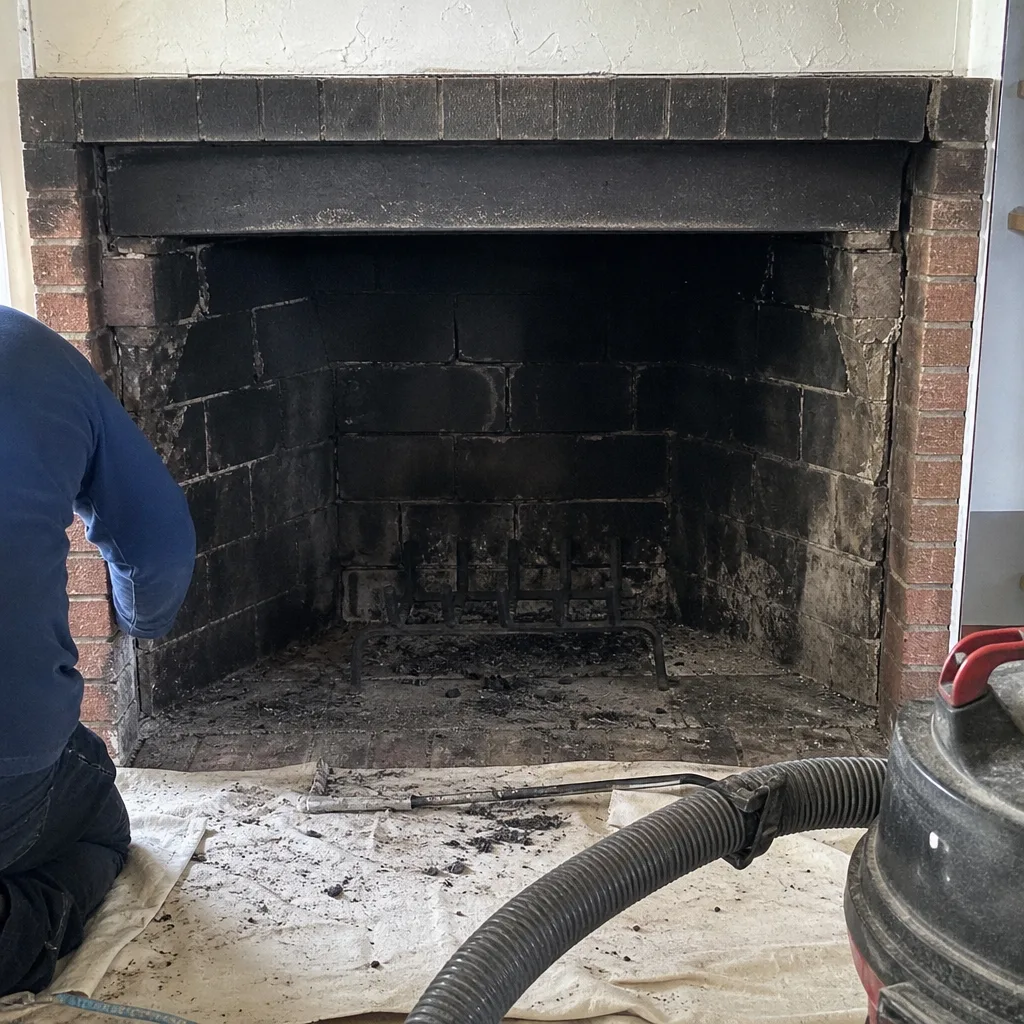
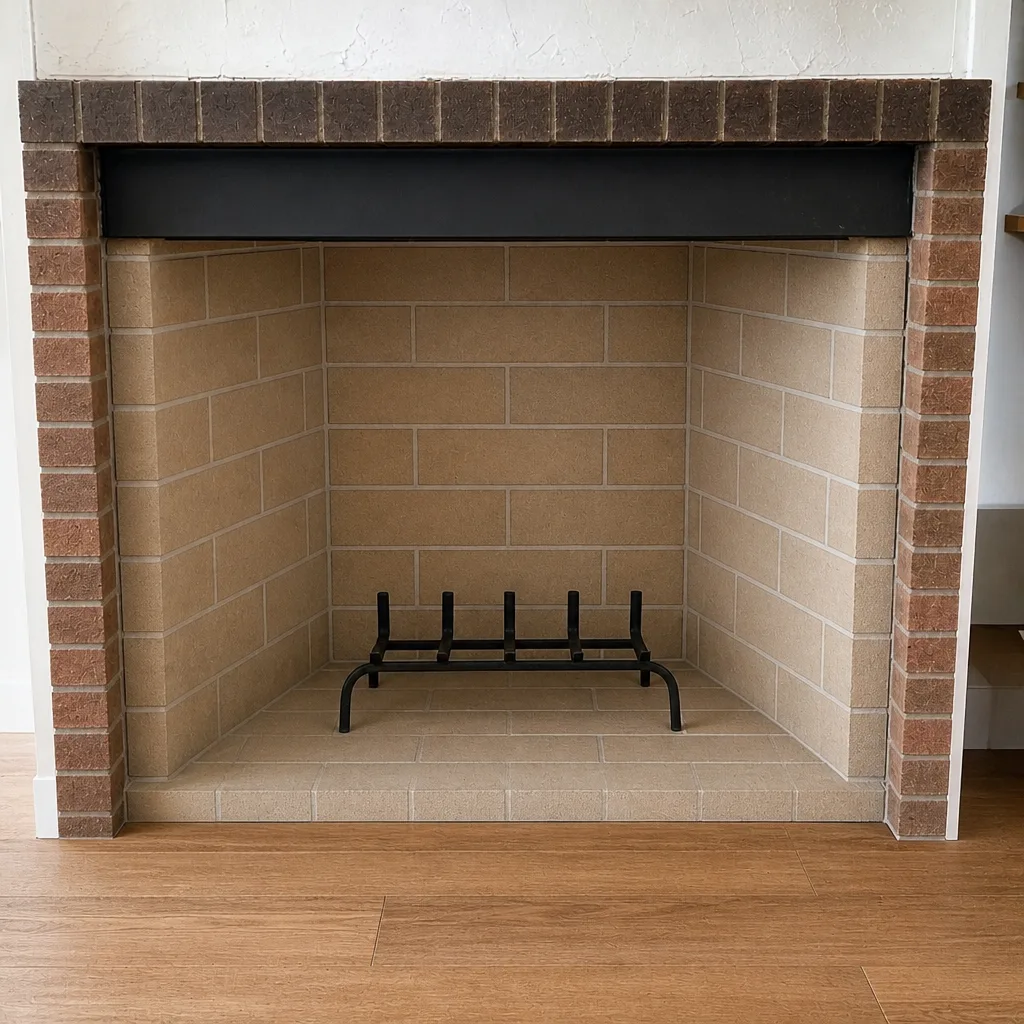
That whole sequence is what makes the difference between a sweep and a proper chimney cleaning. By the time we leave, you have photos of the flue before and after, and a written record of the current state of the system.
What a Certified Sweep Checks That a Handyman Skips
General handymen and multi-trade contractors often advertise chimney cleaning as a side service. A proper chimney specialist checks a specific list, and the gaps in a handyman visit are the ones that matter most.
- The smoke chamber. The slanted interior above the damper collects creosote quickly and isn’t touched by a straight flue brush. A handyman sweep often skips it entirely, and it’s one of the first places a chimney fire starts.
- The damper. Damper operation and sealing are checked. A stuck-open damper wastes heat and can let cold, damp air into the flue overnight, which worsens the moisture problem here.
- The flue liner. Clay tile liners crack with heat stress and with age. Camera inspection catches cracks that a visual peek from the firebox misses. A handyman without a camera won’t see them.
- The crown. The concrete cap on top of the chimney. A cracked or crumbling crown lets water run straight down the flue. A handyman sweep usually doesn’t touch it.
- The cap and spark arrestor. Chimney Caps prevent rain, animals, and debris from entering the flue. A damaged or missing cap is a structural issue, not just an aesthetic one.
- The flashing. Where the chimney penetrates the roof, flashing can pull loose. This is one of the most common water intrusion points and often ignored on a short handyman visit.
- Clearance to combustibles. The flue needs a proper gap from framing and attic insulation. Certified sweeps check this as a fire-safety item.
Five core services cover the full lifecycle here: inspection, cleaning, cap and crown work, fireplace repair, and structural chimney repair. When you call one company for all of it, nothing falls between the cracks of “not my trade.”
Moisture, Liners, and Long-Term Chimney Health
Water does more slow damage to a Garden Grove chimney than heat does. The damp air that settles over the region most nights is unavoidable, but the ways water gets inside the flue can mostly be controlled.
The two most common entry points are the crown and the cap. A crown is the concrete cap that seals the top of the masonry chimney, and any crack wider than a hairline lets water pool and work its way down. A cap with a screen on top, meanwhile, keeps rain, birds, and debris from falling straight into the flue. Between them, these two features do more for the long-term health of a chimney than almost anything else.
Once water is inside the flue, the liner takes the brunt of it. A clay tile liner that stays damp between fires deteriorates faster than one that dries out quickly, and current code generally requires a properly sized liner for the appliance, which means a wet, degrading liner is a safety concern and a code concern. This is where liner restoration becomes worth knowing about. HeatShield is a restoration system that fills cracks and gaps in a clay tile liner, extending the life of the existing liner without a full reline. Not every liner can be restored, but for many older Garden Grove homes it’s a middle path between “fine” and “full replacement.” Full relining, when the liner has failed beyond restoration, is usually done with a stainless steel system like DuraFlex, sized to the appliance.
Chimney repair work on masonry and crowns, when it’s needed, is covered in our chimney repair overview. Firebox, damper, and hearth work falls under fireplace repair.
What Chimney Cleaning Costs in Garden Grove
A standard chimney sweep in Garden Grove typically runs a typical price in the range you’d expect for a residential single-flue home, and the inspection and camera scan are usually included in the visit. Prices are set per job by the written estimate, which you get before anything is booked, so there are no surprises when the technician arrives.
Most chimney work here falls into a predictable set of price ranges. These are typical estimates, not quotes; the written estimate after inspection sets the final price.
Typical estimated ranges in Garden Grove
- Standard sweep and Level 1 inspection: typical price range for a single-flue home, includes camera scan and photo report.
- Level 2 inspection with video scan: slightly higher than a standard sweep, since the camera work is more extensive.
- Cap installation: varies by cap size, style, and whether the flue is a single or multi-flue setup.
- Crown repair or rebuild: priced per job based on size and the amount of masonry work.
- HeatShield liner restoration: priced by liner length and the extent of the restoration needed.
- Full stainless liner replacement (DuraFlex): priced by length and diameter, plus connection work at the appliance.
What that means in practice: a routine cleaning is usually a modest cost, a sweep-plus-repair visit costs more because the repair scope is defined, and the only way to know which category your home is in is to have someone look with a camera. Nothing is recommended without camera evidence you can see for yourself, and if the work can wait a season, we say so.
Call (833) 629-1431 for an exact quote. Estimates are free. We answer 24/7. Fast dispatch from 7am to 7pm, Sunday through Friday.
How Often Should You Schedule Service?
Yearly is the right default for a Garden Grove home with a wood-burning fireplace, and it’s the standard answer nationally. The reason is different here though. In a cold climate, annual cleaning is about volume – a household burns a cord or more of wood and the flue fills up fast. In Garden Grove, annual cleaning is about the burn pattern, moisture, and inspection timing.
Here’s the schedule that works for most homes here:
- Every year, before fire season. Late summer or early fall, before the first real fire. That gives the flue a full inspection while the weather is still warm and dry, and any liner issues can be addressed without hurry.
- Mid-season, if you burn often. If your fireplace runs weekly or more through the winter, take a look at the firebox and damper a couple times. Slick or glazed creosote is a call-now sign, not a wait-for-fall sign.
- After any chimney fire. Even a small, extinguished one deserves a Level 2 inspection. The liner can look intact from the firebox and still be cracked where you can’t see.
- Before a home sale or transfer. Most buyers want a Level 2 inspection, and the seller’s documentation of the liner condition matters.
- After a long off-season if the property sat empty. Damp, unused flues deteriorate quickly. If you weren’t in the house through the summer, have the cap and crown checked too.
Professional-grade liners and caps from Olympia Chimney and Famco are what we typically use when a cap or chase cover needs replacing, because a well-fitted cap is what prevents the water intrusion that drives the rest of the damage. Copperfield products show up in crown and flashing repair materials, where copper flashing gives years more service than a generic aluminum setup.
Common Mistakes to Avoid
- Skipping a season because “we hardly burn.” In Garden Grove, low burn count is exactly the pattern that builds dense Stage 2 creosote. Light use is not the same as safe use.
- Trusting a handyman who skips the smoke chamber. The most common chimney fire starts in the smoke chamber, and a straight brush never touches it.
- Burning unseasoned wood. Wet wood smolders, cools the flue, and drops more creosote with each fire. Dry wood burns hotter, drafts better, and leaves less behind.
- Ignoring the crown. A cracked crown lets water into the flue all summer, and that water is what kills the liner.
- Assuming a cap is optional. A cap costs far less than liner work. Skipping it is how a lot of small repair bills become large ones.
- Waiting until you smell smoke. A downdraft or a smoky fire is a symptom. The cause is usually a partially clogged flue or a failed damper, not a weather problem.
- Burning paper, cardboard, or treated wood in the fireplace. These create hotter, dirtier fires and can leave compounds in the flue that are harder to clean than standard creosote.
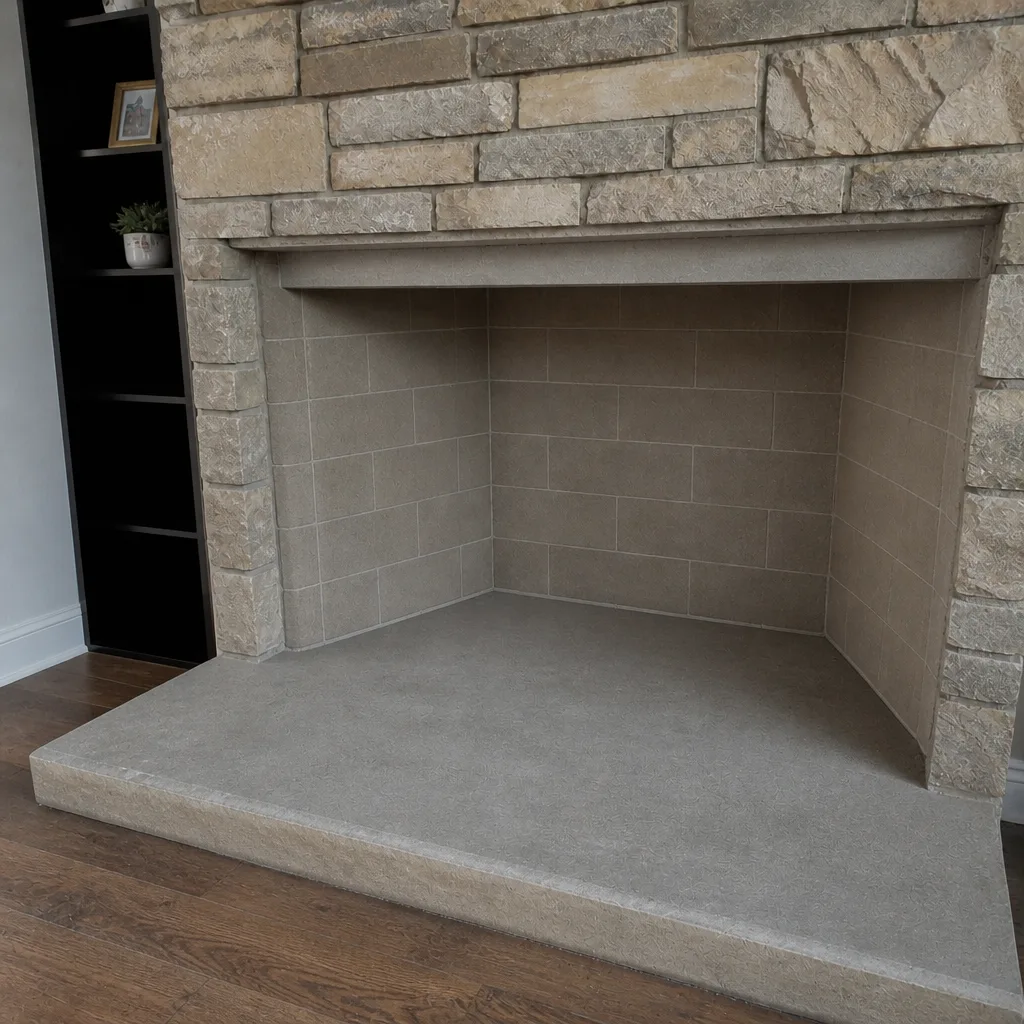
See the difference
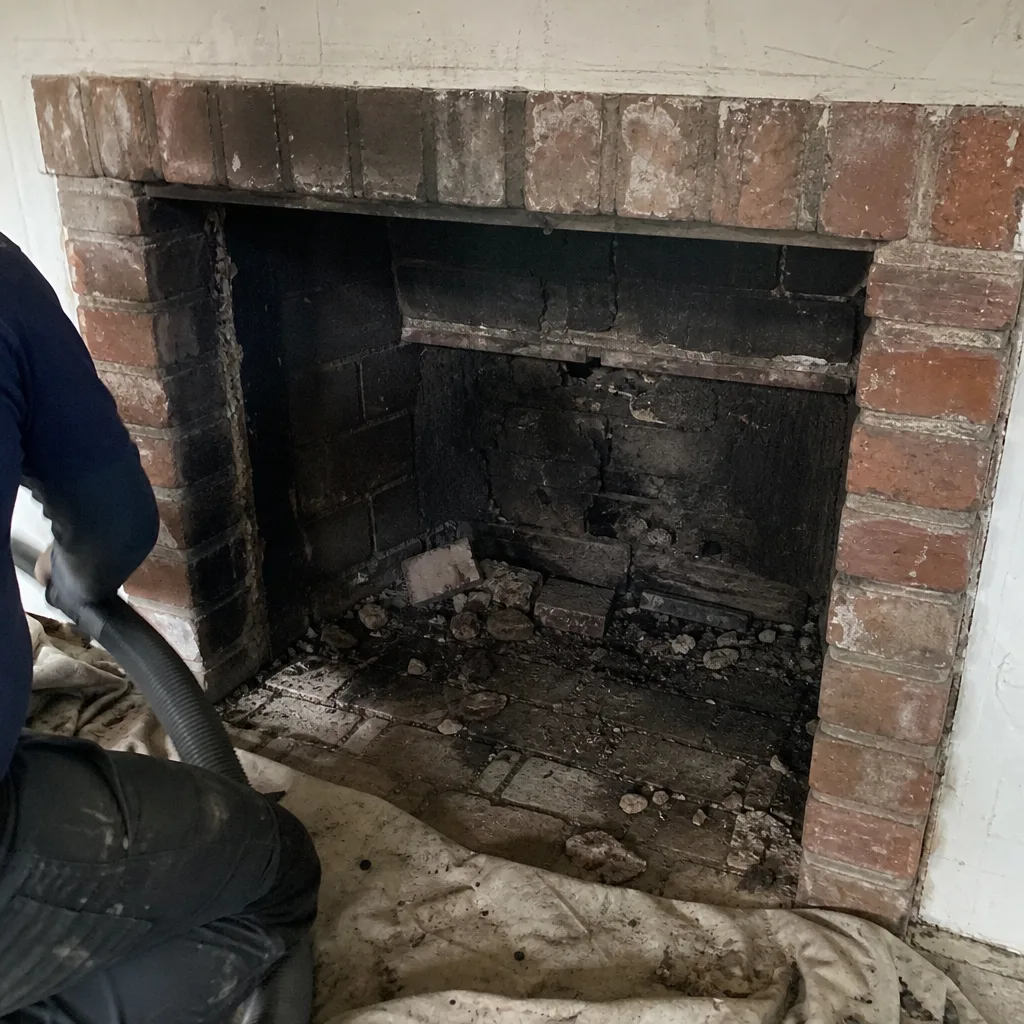 Before
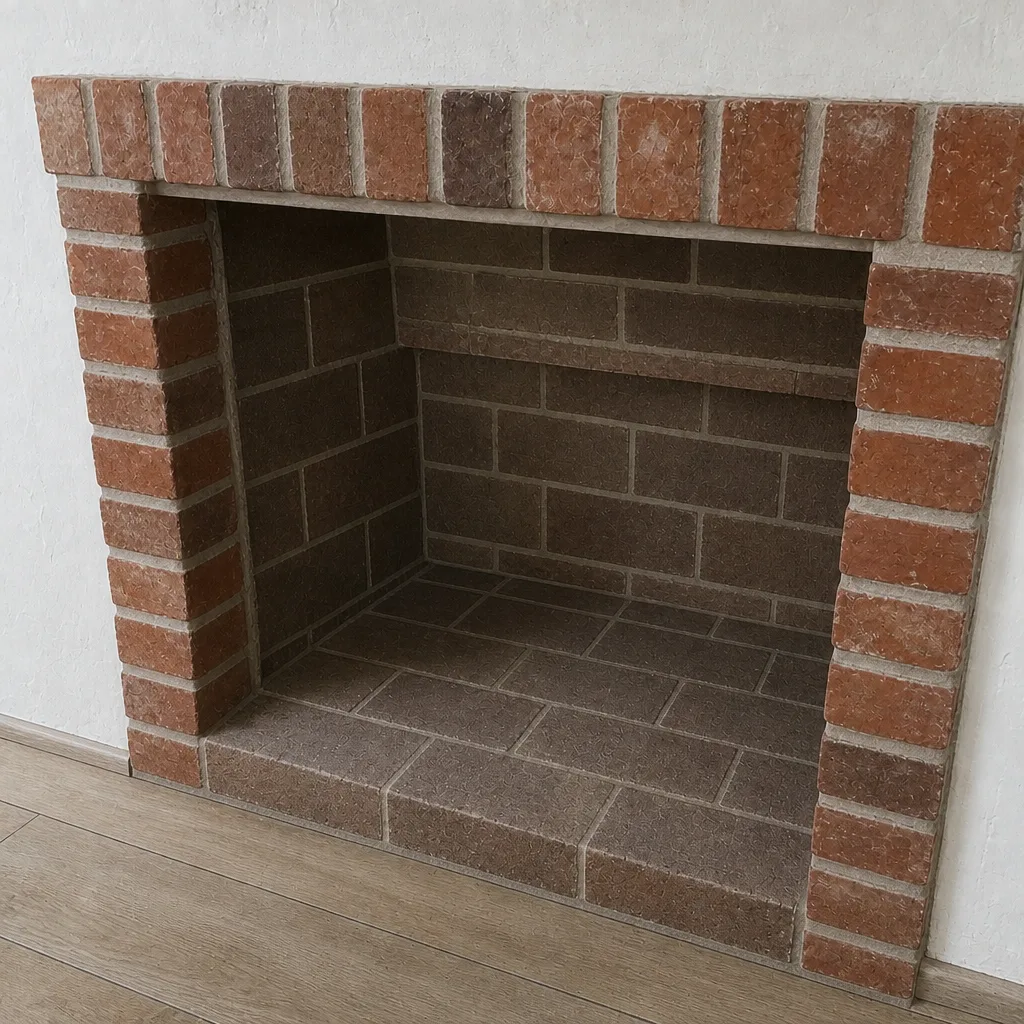 After
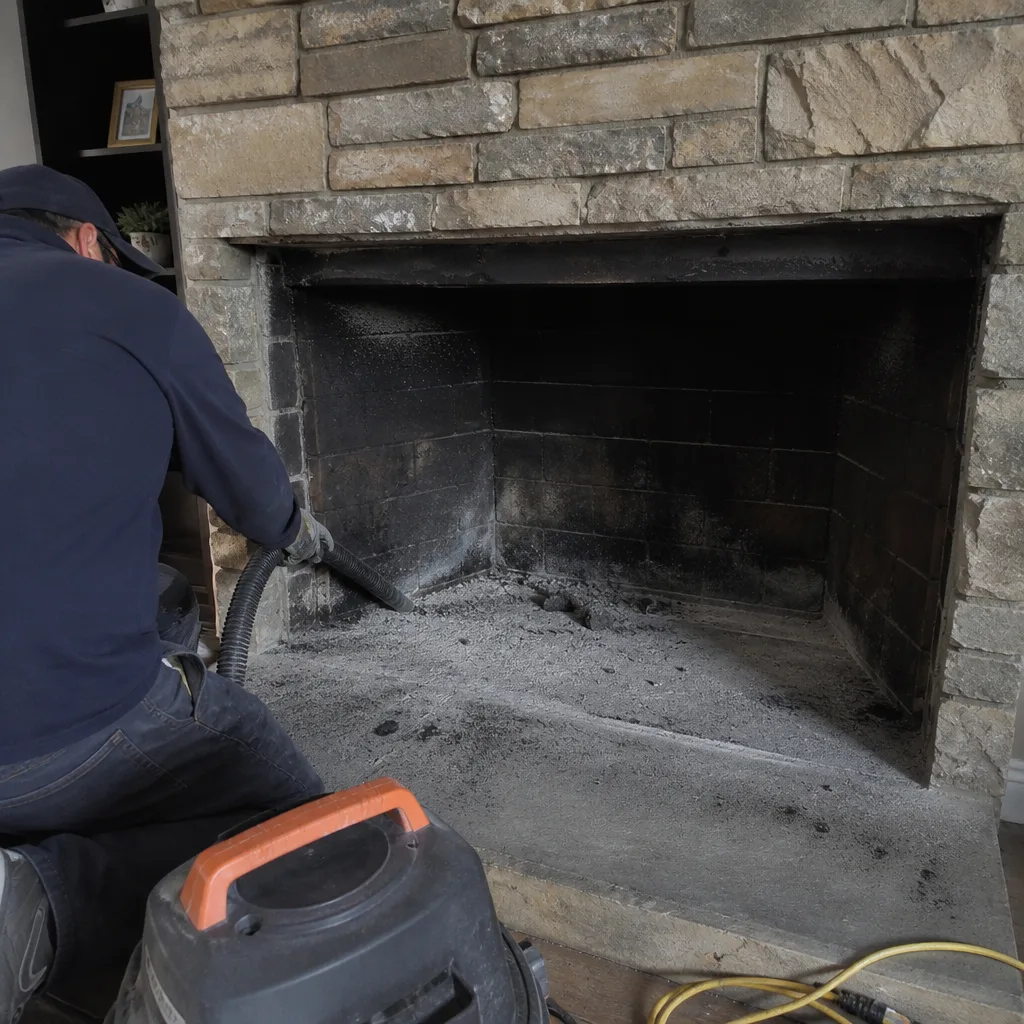 Before
 After
 Before
 After
When to Call a Professional
Call a chimney specialist when you see or smell any of the following: creosote buildup visible on the flue walls, a slick or glazed appearance inside the firebox, smoke spilling into the room when the fire is lit, a chimney that hasn’t been inspected since before last fire season, a damaged or missing cap, cracks in the crown, stains on the exterior masonry, a persistent smoky smell on warm days (a sign of a blocked flue), or any suspicion of a chimney fire. None of these are things to self-diagnose. If a liner chamber has deteriorated or a flue is blocked, the fix needs a specialist with a camera and the right materials. Garden Grove Chimney Sweep Pros offers free estimates in Garden Grove – call (833) 629-1431. We answer 24/7. Fast dispatch from 7am to 7pm, Sunday through Friday.
Frequently Asked Questions
A standard chimney sweep in Garden Grove typically costs a modest amount for a single-flue home, and the sweep usually includes a Level 1 inspection and photo report. The written estimate sets the final price, and it’s free. Call (833) 629-1431 for an exact quote – estimates are free.
Not always. A new liner is only needed when the existing one has failed, is unlined, or is the wrong size for the appliance. HeatShield liner restoration can fix many cracked clay liners without a full replacement. The decision always comes down to what the camera shows, and you see the photos. Call (833) 629-1431 and we’ll walk you through what your flue needs.
Once a year for a home with a wood-burning fireplace, ideally before fire season. Garden Grove homes tend to need the annual sweep because of the intermittent burn pattern and damp air, not because of high fire count. That said, if you see slick or glazed creosote buildup, don’t wait. Call (833) 629-1431 for an assessment.
Skipped chimney cleaning means creosote keeps building in layers and the liner keeps absorbing moisture. Over time the creosote can reach a stage that ignites at low temperature, and the liner can crack where you can’t see it. A small cleaning today is cheaper than a repair next year. Call (833) 629-1431 for an exact quote – estimates are free.
Yes. Gas fireplaces still need periodic inspection and, in many cases, cleaning of the venting system and firebox. Gas burns cleaner than wood, but the venting still collects debris and can fail. Call (833) 629-1431 to discuss what your gas setup needs.
A properly run sweep doesn’t. The brush is sized to the liner, and older or fragile liners are handled with a lighter brush and an inspection first. If a liner looks fragile, the camera scan comes first, then the sweep plan is decided. Call (833) 629-1431 for a walk-through on your specific chimney.
The Bottom Line
Chimney cleaning in Garden Grove isn’t the same job it is in a cold-winter region. Mild temperature swings, damp air, and infrequent burning produce dense, glazed creosote and accelerated liner wear that heavy-use advice doesn’t account for. The reliable schedule is annual: a sweep plus a Level 1 or Level 2 inspection, a camera scan, and a report you can see. Caps and crowns protect against water intrusion, HeatShield restoration can extend a clay liner’s life, and a specialist company keeps every step in one place so nothing gets skipped. If your chimney has been sitting cold through a long off-season, get eyes on it before fire season. Learn more about Garden Grove Chimney Sweep Pros and what we do.
Call (833) 629-1431 for a free estimate. We answer 24/7. Fast dispatch from 7am to 7pm, Sunday through Friday.
Written by the team at Garden Grove Chimney Sweep Pros.