
Last updated November 23, 2026
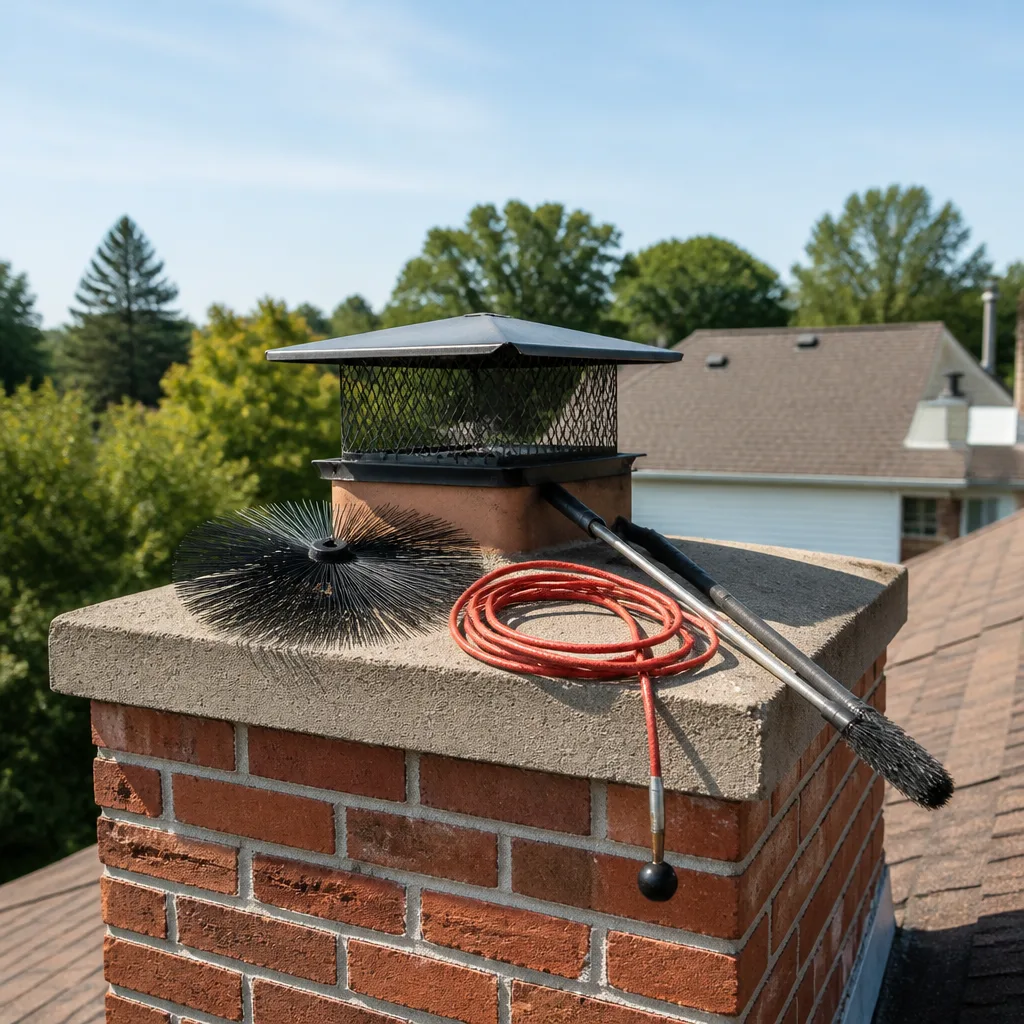 Sweep & inspection
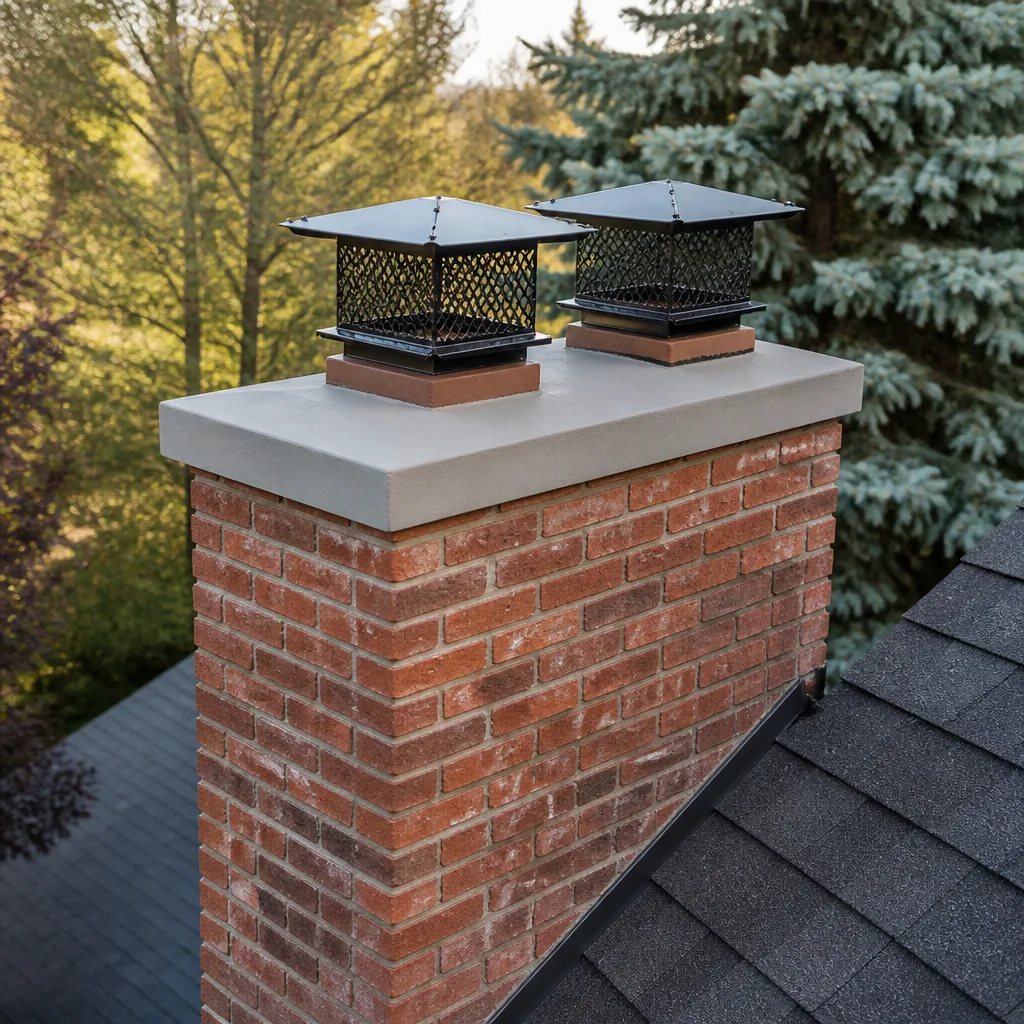 Caps & crowns
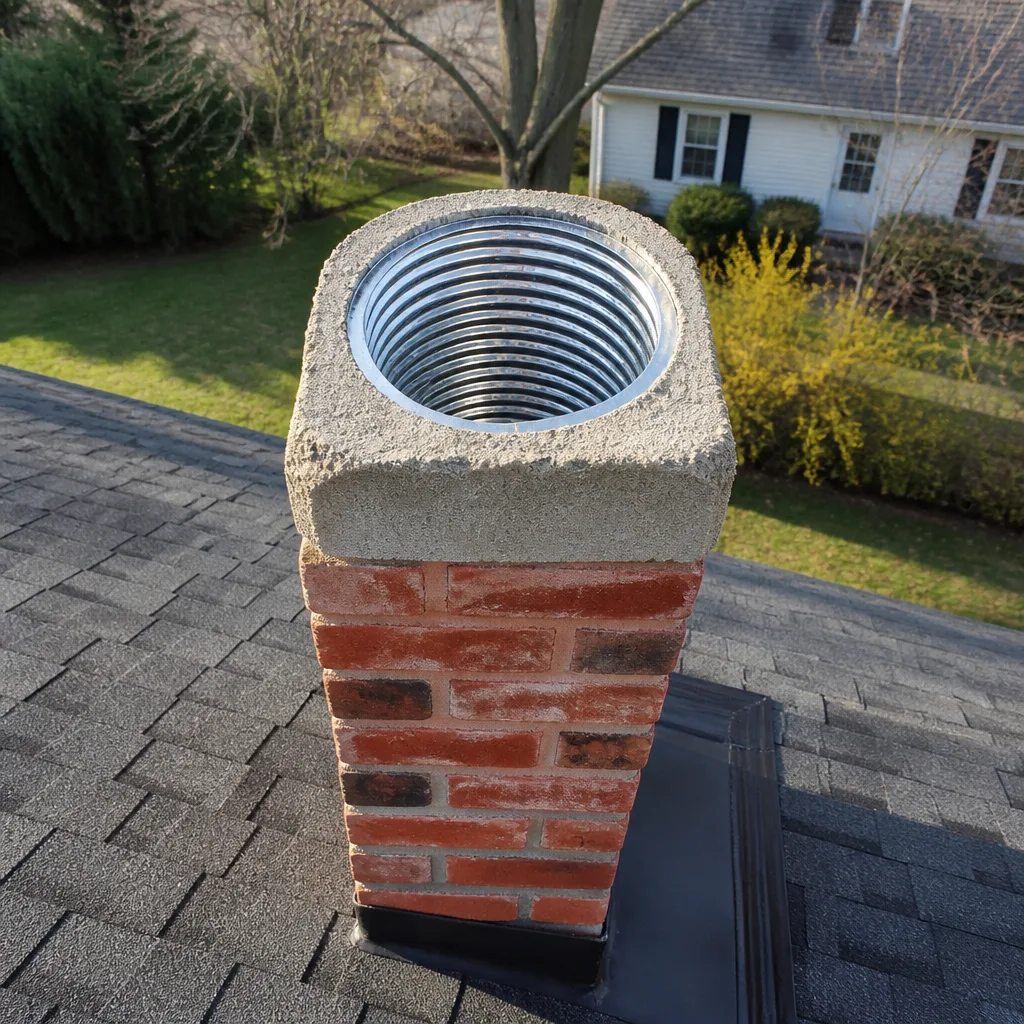 Flue relining
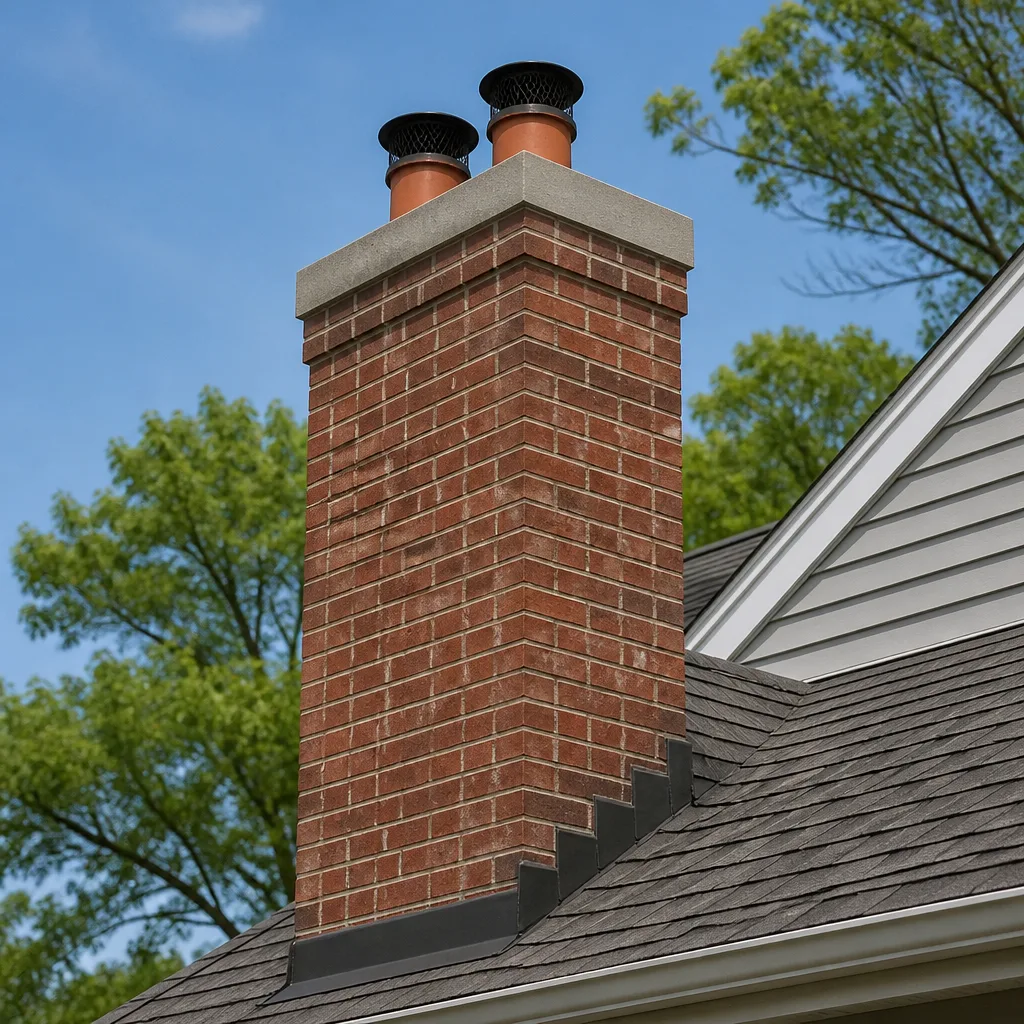 Masonry repair
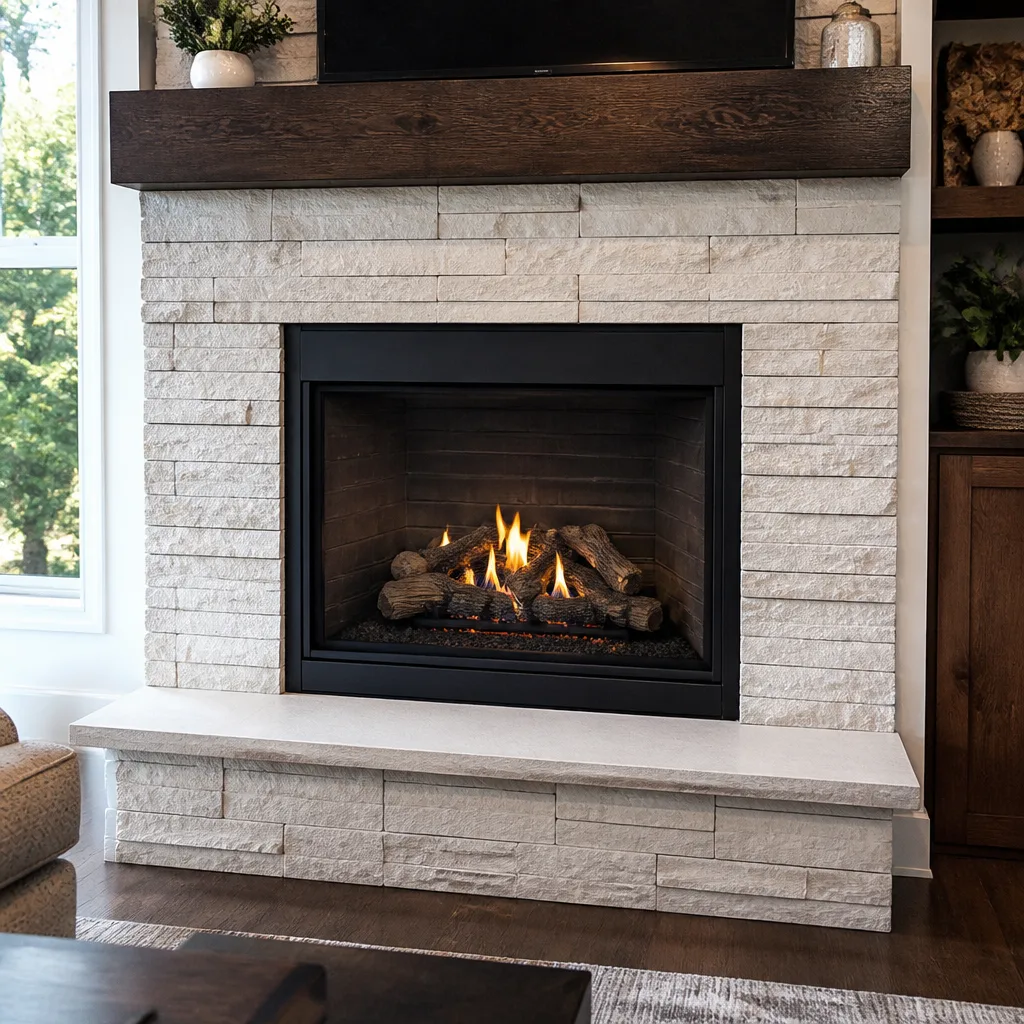 Gas fireplace service
Level 1 sweep and inspection to the NFPA 211 annual standard - flue, crown, cap, and flashing checked and photographed
Chimney sweep logs do not sweep chimneys. They loosen some creosote - which then falls where a brush and vacuum still have to collect it.
Chimney Cleaning Emergency Preparedness Guide for Garden Grove Homes
During a chimney fire, the single worst thing most homeowners do is open the damper to “let heat out.” That move feeds combustion air straight to the fire and can double the internal temperature in under 90 seconds. We’ve seen the aftermath of that instinct, and it’s why this guide leads with restraint instead of reaction. Garden Grove sits in an unusual spot: close enough to Orange County’s wildfire interface that ember intrusion is a real seasonal concern, and squarely in Southern California’s earthquake belt, where a chimney can crack without a single flame ever touching it. Those are two completely different emergencies with two completely different responses, and most preparedness advice online blurs them together. Here’s what to do before, during, and after each one.
Quick Answer
If your chimney is on fire right now: close the damper and every air inlet, get everyone out of the house, and call 911. If a strong earthquake has just shaken Garden Grove, stop using the fireplace until a Level 2 inspection confirms the flue and masonry are sound. A yearly sweep and inspection is what turns both scenarios from emergencies into inconveniences. Call (833) 629-1431 for a free estimate. We answer 24/7. Fast dispatch from 7am to 7pm, Sunday through Friday.
Styles & brands we work with
- Sweep & inspection
- Caps & crowns
- Flue relining
- Masonry repair
- Gas fireplace service
Table of Contents
- Why Garden Grove Faces Two Chimney Threats, Not One
- Chimney Fire Response: The First 60 Seconds
- What to Tell Garden Grove Fire Department Dispatch
- After an Earthquake: Which Chimney Cracks Matter
- Documenting a Chimney Fire for Your Insurer
- Wildfire Ember Intrusion and the Cap That Stops It
- Prevention Checklist Before Fire Season
- Common Mistakes to Avoid
Why Garden Grove Faces Two Chimney Threats, Not One
Most chimney safety content is written as if fire is the only thing that can go wrong. In Garden Grove, that’s half the picture. The city sits where Orange County’s coastal plain meets the Santa Ana foothills, which puts it in the wildfire interface zone that state fire officials flag when they draw ember exposure maps. The same location places the city within the Southern California earthquake belt, where the ground can move enough to crack masonry, shear a flue, or separate a chimney from the roofline in seconds.
The two threats demand opposite instincts. A chimney fire is a combustion event, and the right response is to smother it by cutting off air. An earthquake is a structural event, and the right response is to stop using the chimney entirely until someone with the right tools confirms it’s intact. Confusing the two is where homeowners get hurt.
Our technicians have up to 12 years of experience, and in our experience the preparedness gap is almost never about courage or common sense. It’s about information. People don’t know what to look for after a quake, and they don’t know that embers can enter a flue through a gap the width of a pencil.
Here’s the framework we want every Garden Grove household to hold in mind:
- Chimney fire: close all air inlets, evacuate, call 911, then call a certified sweep for a post-fire inspection.
- Earthquake: stop using the fireplace, do a visual check from the ground, and book a Level 2 inspection before the next fire.
- Wildfire season: a properly fitted, ember-resistant cap keeps sparks and embers from entering the flue.
- Year-round: an annual sweep and inspection catches creosote buildup, cracked flue tiles, and loose caps before any of them become a story.
If you want the fundamentals of routine maintenance first, our chimney sweep page covers what a standard visit actually involves in this city.
Chimney Fire Response: The First 60 Seconds
A chimney fire is a fire inside your flue. It happens when creosote, the tar-like residue that builds up from burning wood, ignites. It can be loud and obvious, with a roar like a freight train, or it can be quiet and smolder for an hour without anyone noticing. Both are dangerous, and both are treated identically in the first minute.
The counterintuitive part is the response. Heat needs three things: fuel, oxygen, and an ignition source. The fuel is already there, and you can’t remove it from a burning flue. What you can do is cut off the oxygen. Opening the damper or a fireplace door does the opposite, feeding the fire and pushing temperatures up fast. Closing everything down starves it.
Chimney fire response, step by step:
- Close the damper and all fireplace doors and air inlets. This is the single most important action. Starve the fire of oxygen.
- Get everyone out of the house. Don’t gather belongings. Don’t go back for the pet that’s already outside.
- Call 911. Even if the fire seems to be dying down. A chimney fire can reignite or spread into attic framing without visible signs from the living room.
- Alert neighbors if you can do so safely from outside, especially if you share a wall or roof line.
- Do not spray water into the firebox. A sudden temperature drop can crack masonry or flue tiles.
- Wait for the fire department’s clearance. They’ll tell you when the structure is safe to re-enter.
- Book a post-fire inspection with a certified sweep before you use the fireplace again.
We can’t overemphasize step five. We’ve seen thermal shock do more damage than the fire itself. Water into a hot firebox is one of the fastest ways to turn a contained chimney fire into a structural repair.
A chimney fire isn’t the only reason to act. Carbon monoxide is the invisible companion to almost every chimney problem. A blocked flue, a cracked liner, or a flue that doesn’t draft correctly sends exhaust gases back into living space. That’s why every inspection we run includes a camera scope.
What to Tell Garden Grove Fire Department Dispatch
When you call 911 about a chimney fire, the dispatcher needs information that most homeowners don’t think to volunteer. The quality of what you say in the first 20 seconds shapes the response you get.
Here’s what to communicate, in roughly this order:
- Say “chimney fire” as your first two words. It routes the call differently than a generic “house fire.”
- State whether you see flames or smoke at the top of the chimney. Flames shooting from the crown mean active combustion. Smoke alone is different.
- Say whether anyone is still inside. A confirmed all-clear changes the response.
- Describe the fireplace type: masonry with a brick firebox, or a prefabricated metal insert. Prefab units have different failure modes and different clearance requirements.
- Mention any smell of gas. A gas fireplace or gas log set with a fire in the flue is a genuinely different emergency.
- Give your cross streets, not just your address. Garden Grove has a mix of numbered streets and named residential blocks where cross streets help units arrive faster.
- Say whether the chimney is on a shared wall with a neighbor. In dense parts of Garden Grove, this affects how many units respond.
One thing not to do: don’t describe smells or sounds as a “small” fire. Chimney fires spread through attics through hidden pathways, and the size you can see from the living room is not the size of the fire. Let the dispatcher judge severity.
After an Earthquake: Which Chimney Cracks Matter
Earthquake damage is subtler than fire damage, and that subtlety is exactly why it’s more dangerous. A chimney that looks intact from the street can hide a flue liner sheared at a joint, a mortar joint that lost bond, or a gap where the chimney meets the roof line. Using the fireplace with any of those defects sends carbon monoxide and heat into framing.
Here’s how we separate cosmetic cracks from structural ones. This is a visual check only. It’s not a substitute for a Level 2 inspection, and we recommend that inspection after any quake that was strong enough to knock items off shelves in your home.
Cracks you can watch and monitor:
- Hairline cracks in the firebrick inside the firebox, less than the width of a nickel, with no pieces loose.
- Fine cracks in exterior stucco where the pattern is uniform and no displacement is visible.
- Cracks in the crown or cap that don’t extend to the flue opening.
Cracks that mean stop using the fireplace:
- Any crack where one side of the masonry has shifted relative to the other. Displacement, not width, is the signal.
- Diagonal cracks running from a corner of the chimney outward into the roofline.
- Missing bricks, loose bricks, or chunks of stucco on the ground.
- White staining or soot at the seams between the chimney and the house wall, which suggests the chimney has pulled away.
- Any crack in the flue tiles visible with a flashlight from inside the firebox.
Every one of these indicates the chimney should not be used until a Level 2 inspection clears it. A Level 2 inspection, for reference, includes a camera scope of the flue, a look at accessible portions of the chimney exterior, and an assessment of clearances to combustibles. It’s the standard the industry uses whenever a chimney has been subject to a stressful event, whether fire, earthquake, or a major storm.
Our chimney inspection service is built around exactly that scope. Nothing is recommended without camera evidence you can see for yourself.
Documenting a Chimney Fire for Your Insurer
Insurance claims go wrong for two reasons: the evidence wasn’t collected, or the homeowner disturbed the scene before documenting it. A chimney fire claim follows insurance rules, not chimney rules, and that’s a gap worth knowing before you ever need it.
The moment the fire department clears the house as safe, capture photos of the following. Phone camera quality is fine. You’re documenting condition, not producing art.
- Exterior of the chimney from the ground, front and both sides, at the widest distance you can frame it clearly.
- Top of the chimney from a safe vantage point, if you can see it without climbing. Never go on a roof.
- The firebox interior from outside the opening, with a flashlight. Show the firebrick, the damper, and the smoke shelf.
- The damper closed and open, to prove it was closed during the fire.
- Any visible smoke staining on the wall above the fireplace or on the mantel.
- Your creosote record, if you have a prior sweep report. That’s the single most valuable document you can give your insurer.
What not to disturb: don’t sweep out the firebox, don’t remove the cap, don’t scrub the smoke staining, and don’t repair anything before the inspection. The damage pattern is evidence, and a certified sweep’s post-fire inspection report needs to describe the condition as found.
That report should contain the following:
- Date, address, and identification of the certified inspecting sweep.
- Method of inspection (Level 2 with camera scope is the standard for post-fire assessment).
- Description of the flue interior as documented, with photos attached.
- Assessment of the firebox, damper, smoke chamber, and crown.
- Statement of whether the chimney is safe for continued use, and if not, what repair scope is recommended.
- Estimated repair cost per job, based on a written estimate.
Our chimney repair page covers the repair side of what typically follows a post-fire inspection. Not every chimney fire requires a full reline. Sometimes HeatShield liner restoration is the appropriate answer, extending the chimney’s life without a full replacement.
Wildfire Ember Intrusion and the Cap That Stops It
Ember intrusion is the wildfire risk that gets overlooked because the fire itself is miles away. Burning embers travel on the wind for a long distance and find their way into any opening on a house. A chimney without a proper cap is one of the easiest entry points, and the flue is a straight run down to the firebox.
A flue is essentially a vertical draft. Warm air rises through it constantly, and any ember that lands on top of an uncapped flue gets pulled down into the fireplace. From there it can ignite creosote deposits on the flue wall or land on wood left in the firebox.
The right cap matters. California building and wildfire standards call for spark arrestor cap assemblies that combine three features:
- A screen mesh size small enough to block embers. Standard is generally a mesh opening in the range of a quarter-inch or finer. Ask your sweep to confirm the mesh on your existing cap.
- A solid top plate that deflects both rain and falling embers away from the flue opening.
- Full-diameter coverage so the cap covers the top of the flue and the crown, with no gaps at the edges.
An open-top cap, sometimes called a Chinese hat, does not meet ember-resistance intent because it lets material in from the sides. A damaged cap with torn mesh is functionally no cap at all. If your cap is bent, missing screen, or held on by a wire, it needs replacing before fire season.
We install and repair caps and crowns as one of our five core services. Brands like Olympia Chimney, Copperfield, and Famco make the standard cap assemblies we work with. If you have a masonry chimney that needs a crown rebuilt, that’s also covered. The chimney cap and crown work addresses the two entry points for water damage at the same time.
Prevention Checklist Before Fire Season
The most effective chimney emergency plan is a dull, unimpressive annual routine. We recommend this checklist for every Garden Grove household with a wood-burning fireplace. Run through it in the fall, before the first burn of the season.
One-time annual items:
- Book a sweep and inspection. If the chimney hasn’t been swept in more than a year of regular burning, do this first. A blocked flue is a carbon monoxide risk before it’s a fire risk.
- Ask for a camera scope. A visual check from the firebox misses flue damage high up. Camera inspection is what lets you see the actual condition of the liner.
- Confirm your cap condition. Torn screen or missing top plate, replace it.
- Confirm the crown is intact. A cracked crown lets water into the masonry, which is the leading cause of long-term chimney deterioration in Southern California’s climate.
Things you can do yourself:
- Keep the area in front of the fireplace clear of combustibles.
- Verify your carbon monoxide detector is working on every level of the home.
- Store firewood outside, not stacked against the house or inside the garage.
- Burn only dry, seasoned wood. Wet wood produces far more creosote.
- Never burn paper, cardboard, or holiday wrapping in the fireplace.
The core principle: an annual inspection catches problems when they’re cheap. Creosote buildup, a cracked flue tile, a lifting crown, a loose cap. Each of those has a small repair answer. Let any of them sit through a season, and it becomes a liner replacement, a masonry rebuild, or worse.
Common Mistakes to Avoid
- Opening the damper to “let heat out” during a chimney fire. This is the worst possible action. It feeds oxygen to the fire and can double internal temperature in under 90 seconds. Close all air inlets instead.
- Using the fireplace after an earthquake without an inspection. A chimney that looks fine from the ground can have a sheared flue liner or a hidden brick separation. A Level 2 inspection is what clears it, nothing else.
- Assuming a visible chimney fire is a “small” fire. Chimney fires spread into framing through hidden pathways. Even if flames look contained at the top, call 911 and let the fire department assess.
- Cleaning up before the post-fire inspection. Sweeping out the firebox or scrubbing smoke stains before documenting destroys the evidence your insurer needs. Photograph first, sweep later.
- Using an open-top or damaged cap in fire season. Ember intrusion through a flue is one of the ways a house catches during a wildfire that isn’t close by. A cap with a small mesh screen and a solid top plate is the standard.
- Spraying water into a hot firebox. Thermal shock is one of the fastest ways to crack flue tiles or masonry. It’s a fire you can’t fight with water. Starve it of air and get out.
- Skipping the sweep because the fireplace “looked clean.” Creosote is clear-to-black and often invisible from the firebox. The camera scope tells you what’s actually on the flue wall.
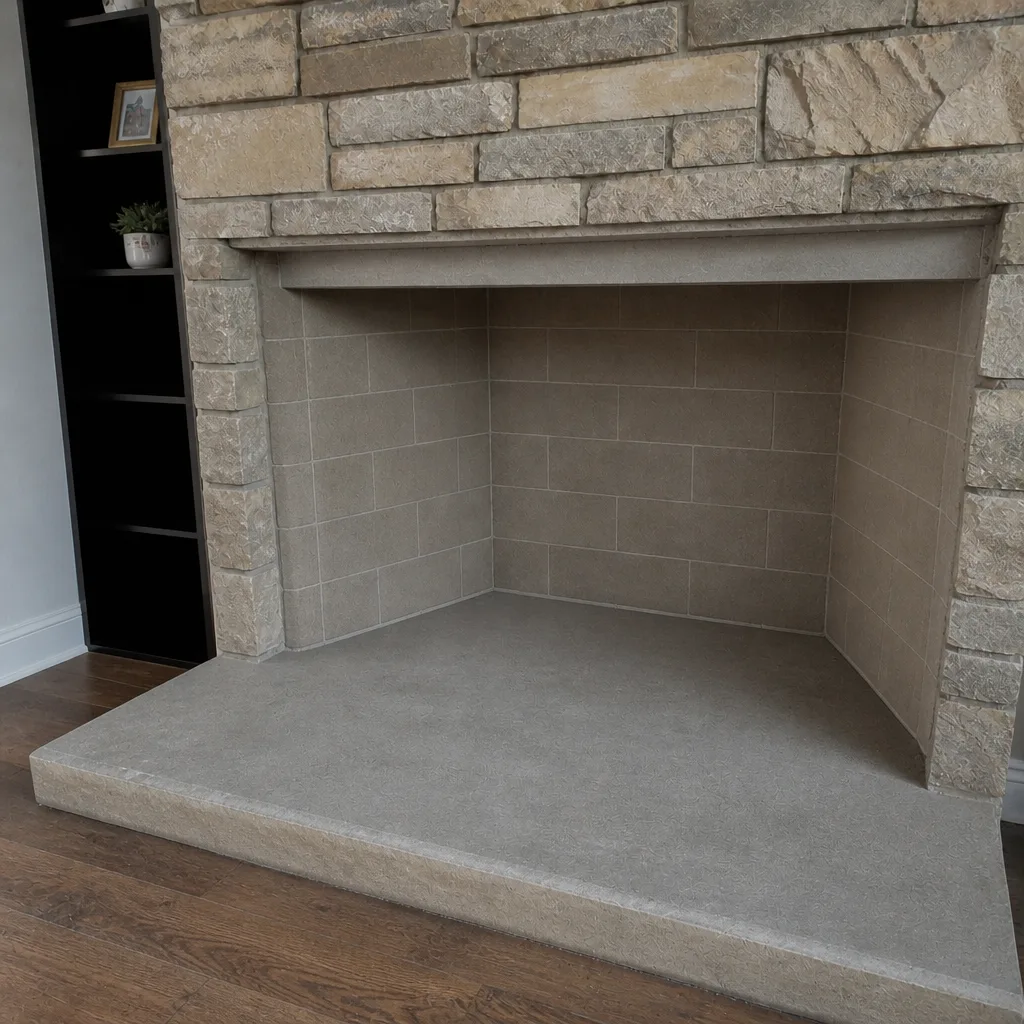
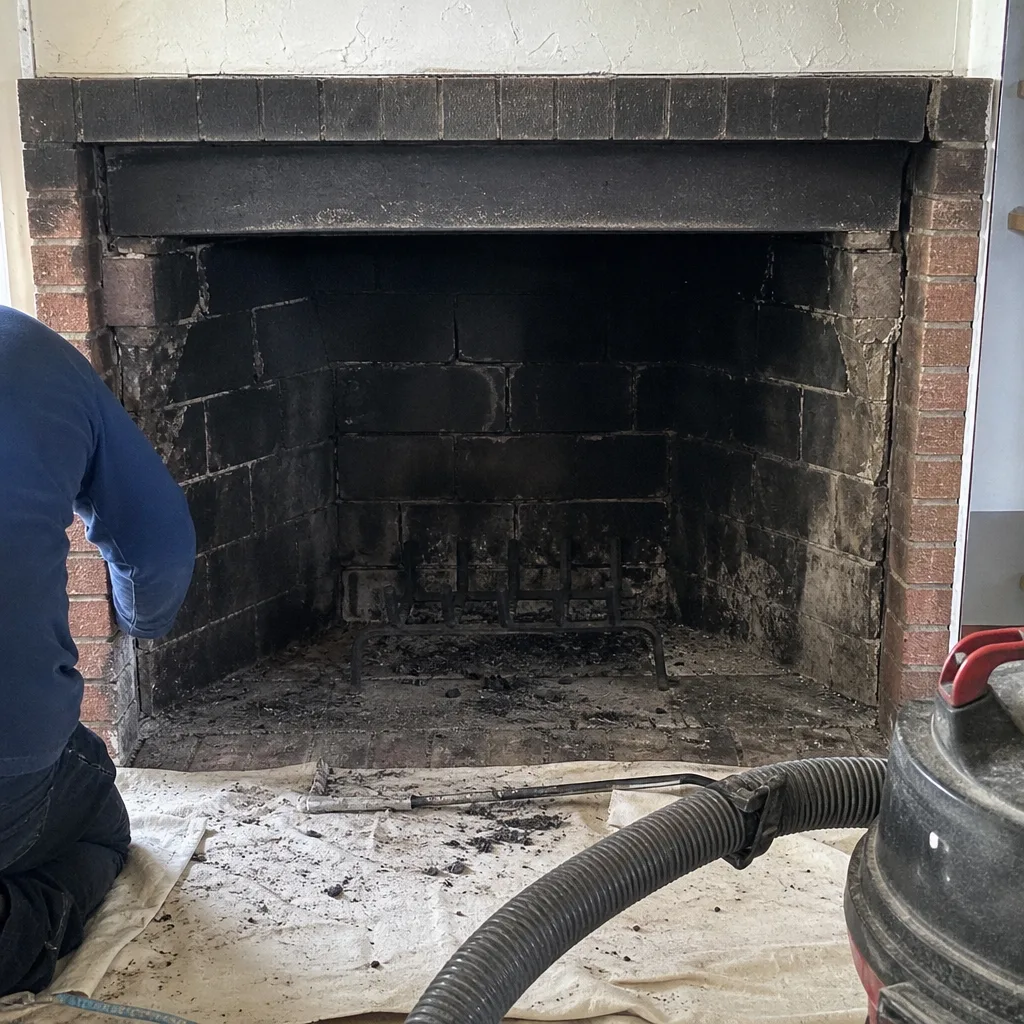
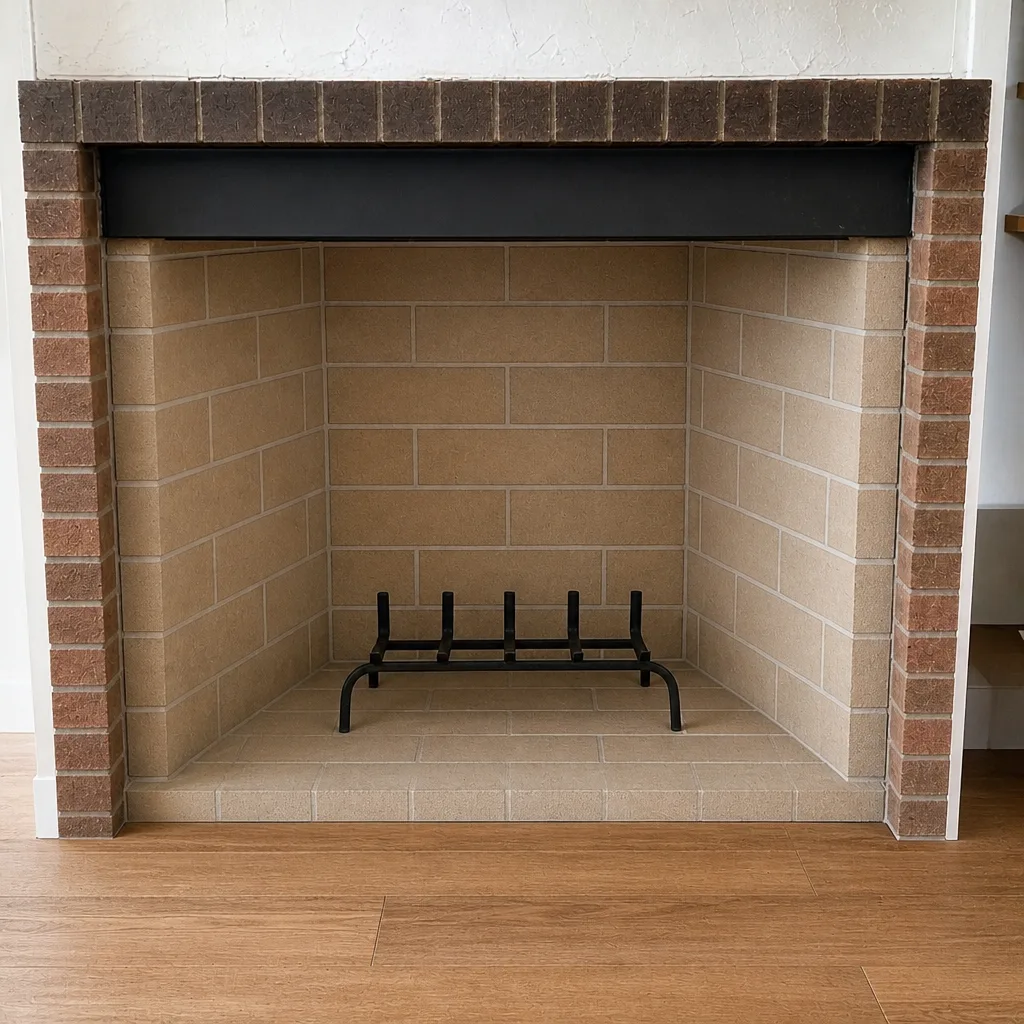
See the difference
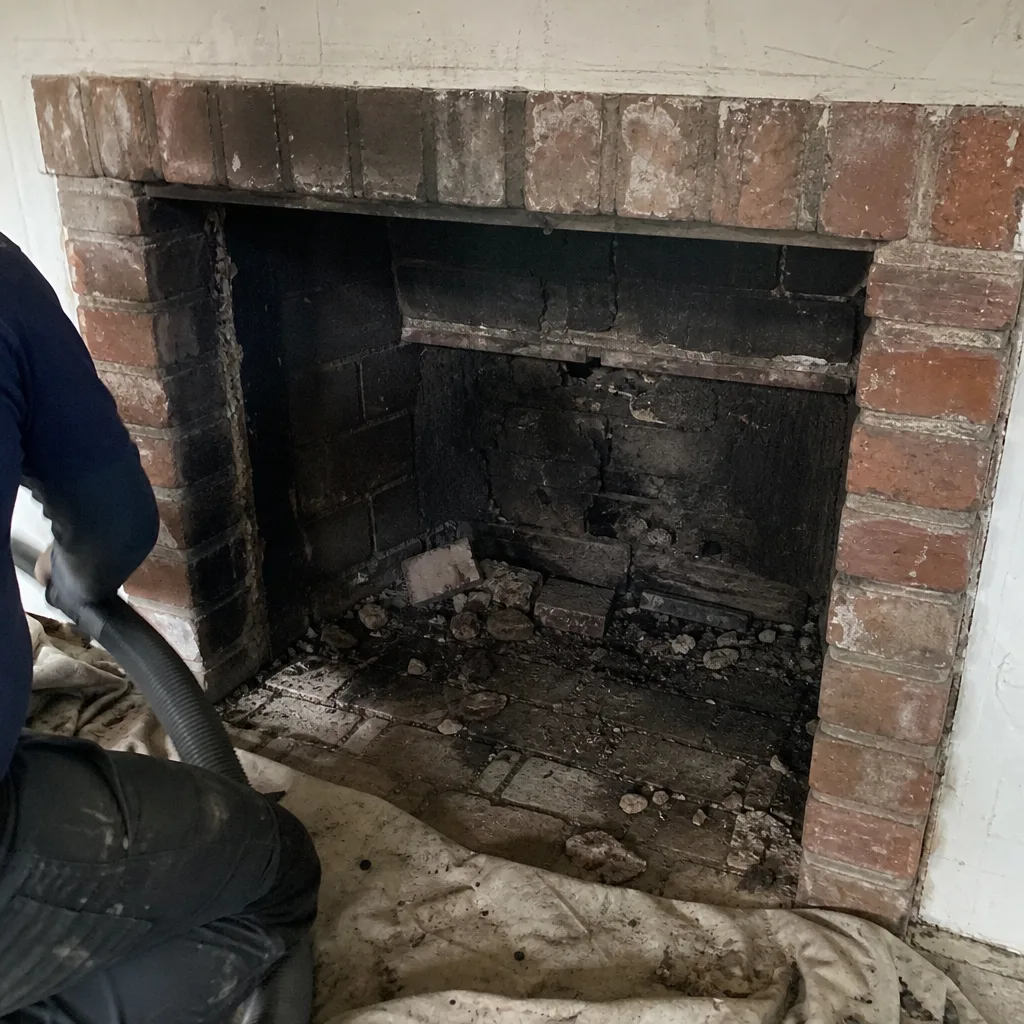 Before
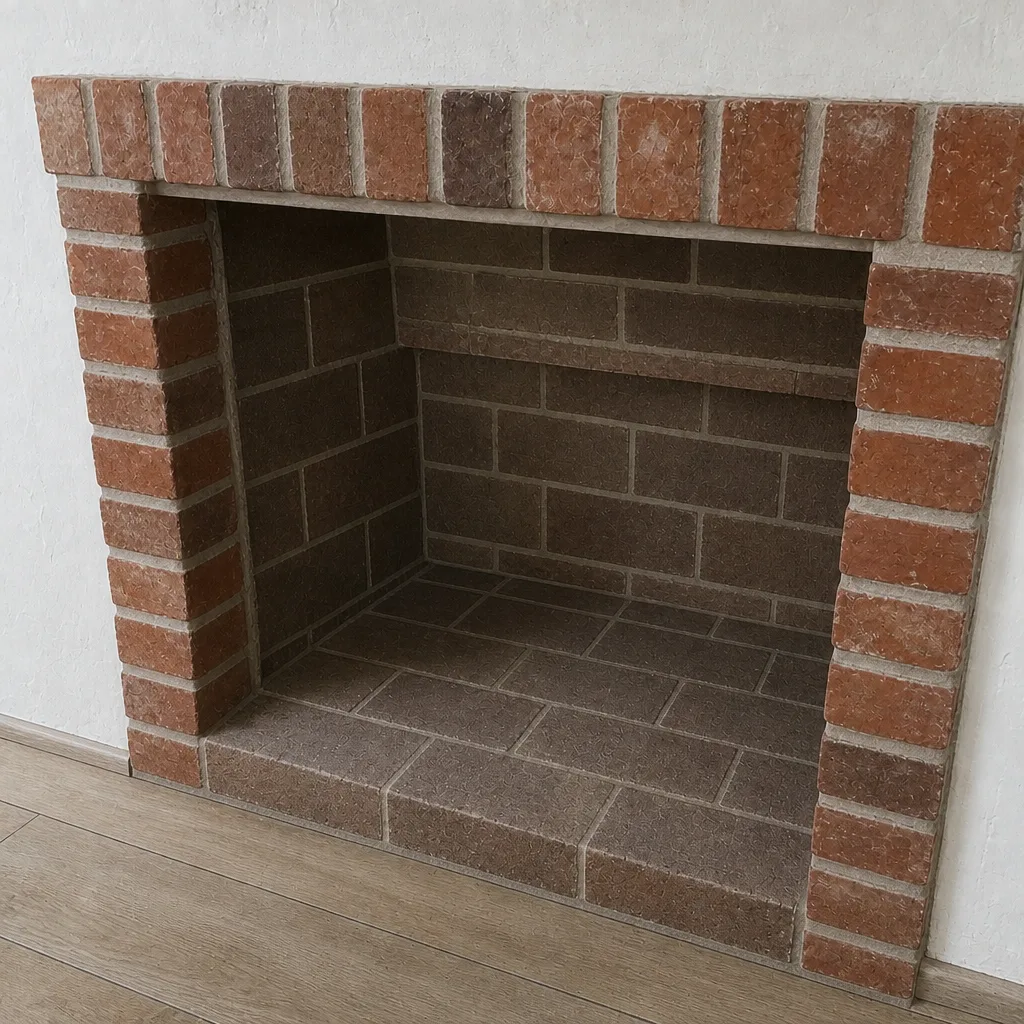 After
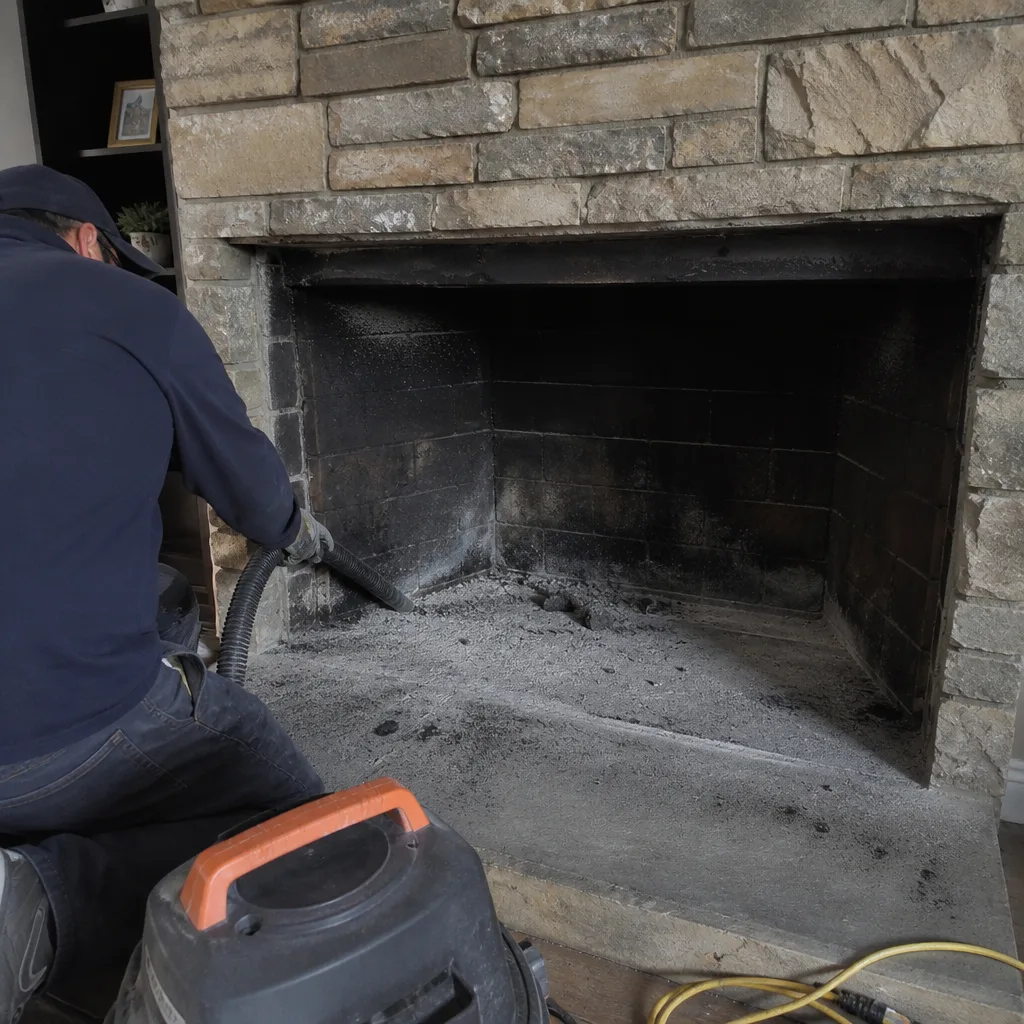 Before
 After
 Before
 After
When to Call a Professional
Call whenever the fireplace has done anything other than burn quietly. That includes a chimney fire, an earthquake that shook your home hard enough to send objects moving, a puff of smoke into the room on a cold start, or a smell of smoke that lingers long after the fire is out.
Also call if the chimney hasn’t been swept in more than a year of use, if you can see a crack, loose brick, or damaged cap from the ground, or if you’re buying a Garden Grove home where the fireplace history is unknown. A Level 2 inspection before you close is standard practice for a reason.
The reader’s real worry, in our experience, is being told they need thousands of dollars of work with no way to verify it. That’s why our inspections run with a camera scope and the report includes the images. Nothing is recommended without evidence you can see for yourself. And when a sweep finds something that can safely wait until next season, we say so.
Garden Grove Chimney Sweep Pros offers free estimates in Garden Grove. Call (833) 629-1431. We answer 24/7. Fast dispatch from 7am to 7pm, Sunday through Friday.
Frequently Asked Questions
Close the damper and every air inlet, get everyone out of the house, and call 911. Cutting off the oxygen is the correct first action. Opening the damper or fireplace doors feeds the fire and pushes temperatures up fast. Once the fire department clears the house, book a post-fire inspection before using the fireplace again. Call (833) 629-1431 for a free estimate. We answer 24/7. Fast dispatch from 7am to 7pm, Sunday through Friday.
Displacement is the signal, not width. A hairline crack where both sides align can often be monitored. A crack where the two sides have shifted relative to each other, a diagonal crack running into the roofline, or any soot staining at the chimney-to-house seam means stopping use and getting a Level 2 inspection. Concrete Garden Grove homes built on older foundations are worth checking carefully after any quake. Call (833) 629-1431 for an inspection with a camera scope.
We don’t publish a fixed price because the work per job is set by a written estimate, and the estimate is free. A Level 2 inspection with camera scope is priced separately from a routine sweep, and any repair scope that comes up is documented with photos you can see before you approve it. Call (833) 629-1431 for an exact quote. Estimates are free.
Embers travel on the wind from a fire that may be miles away, and an uncapped flue pulls them down into the fireplace. The cap features that matter in California wildfire standards are a small-mesh spark arrestor screen, a solid top plate that deflects embers, and full-diameter coverage over the flue and crown. An open-top cap or a torn screen does not provide that protection. Call (833) 629-1431 to have your cap checked.
No. A chimney that looks intact from the ground can hide a sheared flue liner, a separated brick course, or a gap where the chimney meets the roofline. Using the fireplace with any of those defects sends carbon monoxide and heat into framing. A Level 2 inspection is the only way to clear it. Call (833) 629-1431 to book one.
The chimney exterior from the ground, the firebox interior with a flashlight, the damper closed and open, any smoke staining on the wall above the fireplace, and any prior sweep reports. Don’t sweep out the firebox or remove the cap before the inspection. The damage pattern is evidence, and the sweep’s report should document the condition as found, with photos. Call (833) 629-1431 to schedule a post-fire inspection.
The Bottom Line
Chimney emergencies in Garden Grove come in two flavors, fire and seismic damage, and they call for opposite responses. During a chimney fire, closing every air inlet is the right move, and opening the damper is the wrong one. After an earthquake, the right move is to stop using the fireplace until a Level 2 inspection clears it, no matter how intact the chimney looks from the sidewalk. Wildfire ember intrusion through a poorly capped flue is the third concern worth planning for, and it’s an easy one to address before the season. The unifying prevention is simple: an annual sweep and inspection, with a camera scope, so you know your chimney’s actual condition instead of its appearance.
If you’d like that inspection done by a company that works on chimneys and only chimneys, our team at Garden Grove Chimney Sweep Pros is ready. We work with professional-grade brands like DuraFlex, HeatShield, Olympia Chimney, and Copperfield, and one company handles the sweep, the inspection, the cap, and the repair. Call (833) 629-1431. We answer 24/7. Fast dispatch from 7am to 7pm, Sunday through Friday.
Written by the team at Garden Grove Chimney Sweep Pros.